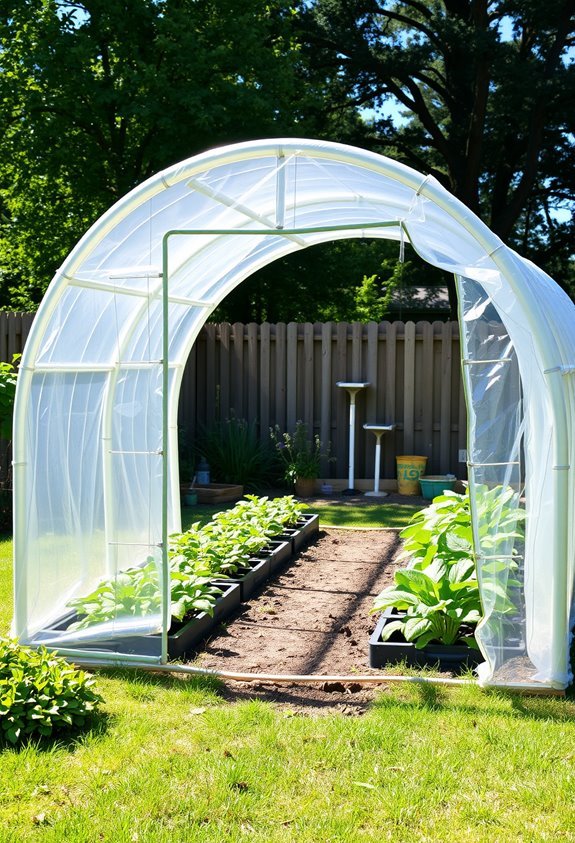
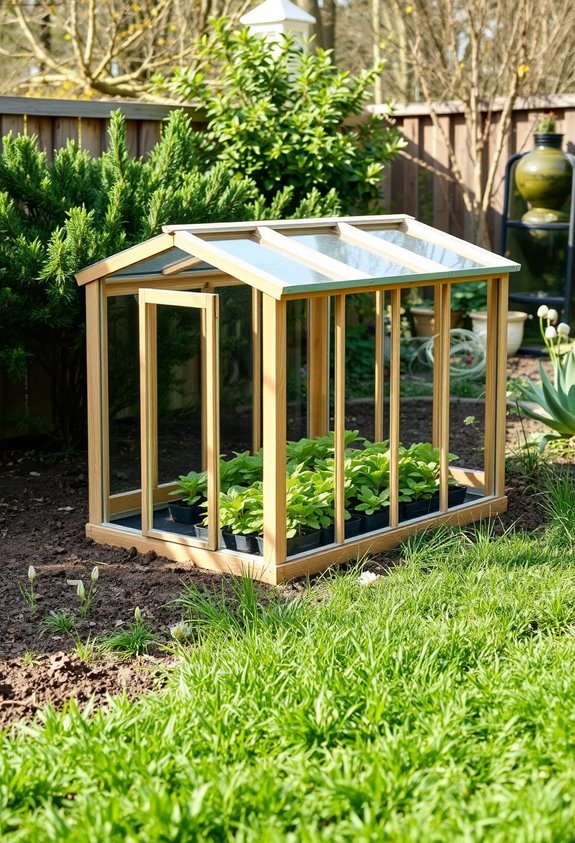
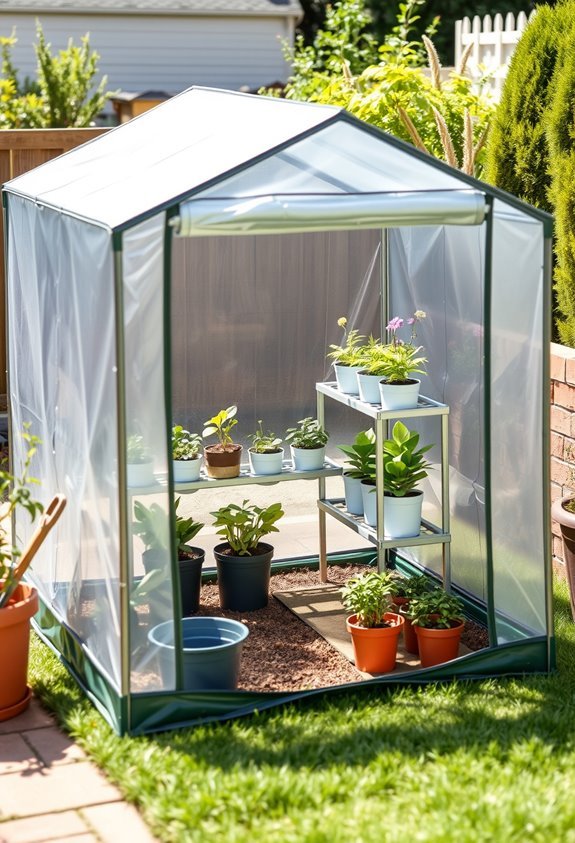
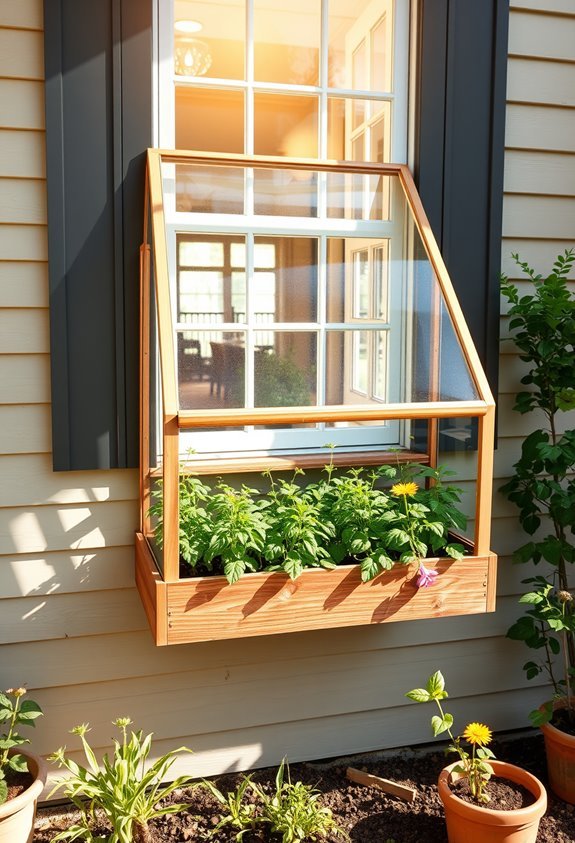
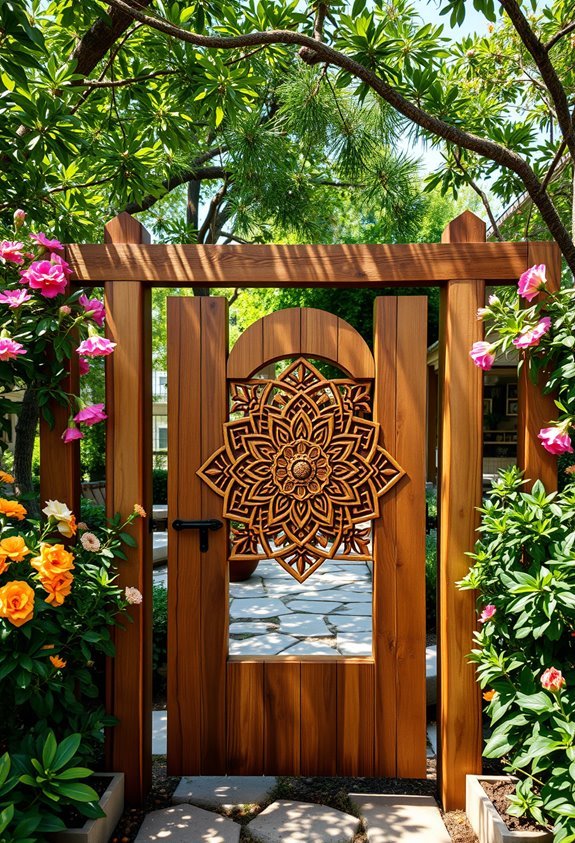
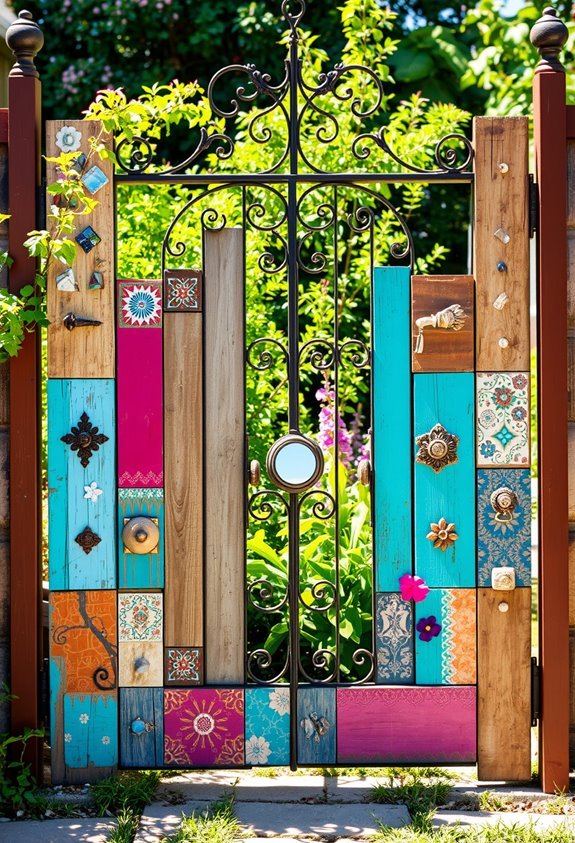
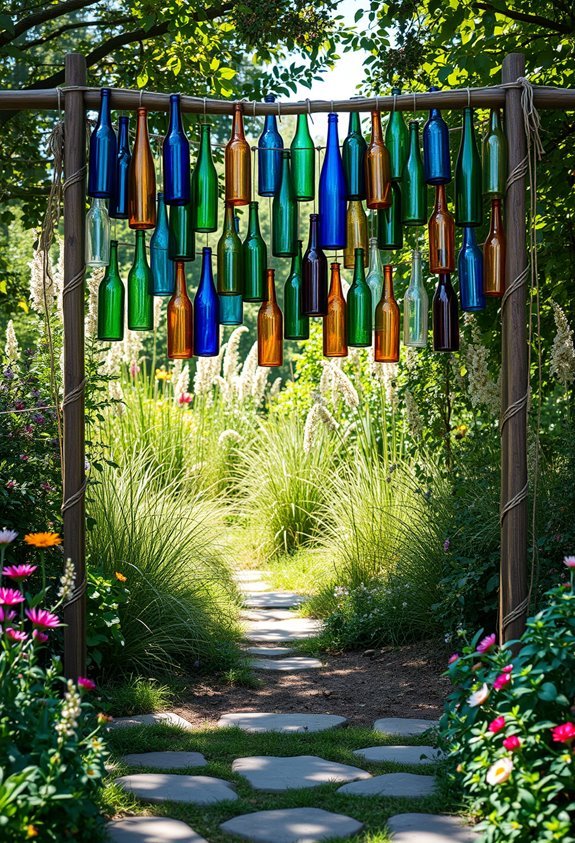
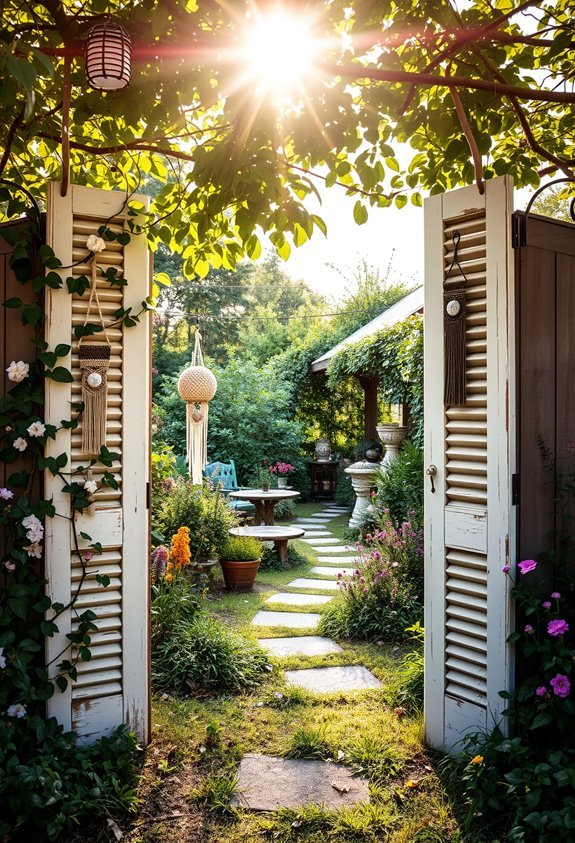
Your fence line doesn’t have to be a wasted strip of dirt anymore. You can turn this narrow space into a productive garden that adds beauty, attracts wildlife, and even provides fresh food for your table. Whether you’re dealing with full sun, deep shade, or something in between, there’s a planting strategy that’ll work perfectly for your specific conditions. The key lies in understanding which plants thrive in these unique spaces and how to arrange them for maximum impact.
Colorful Flower Borders That Attract Pollinators
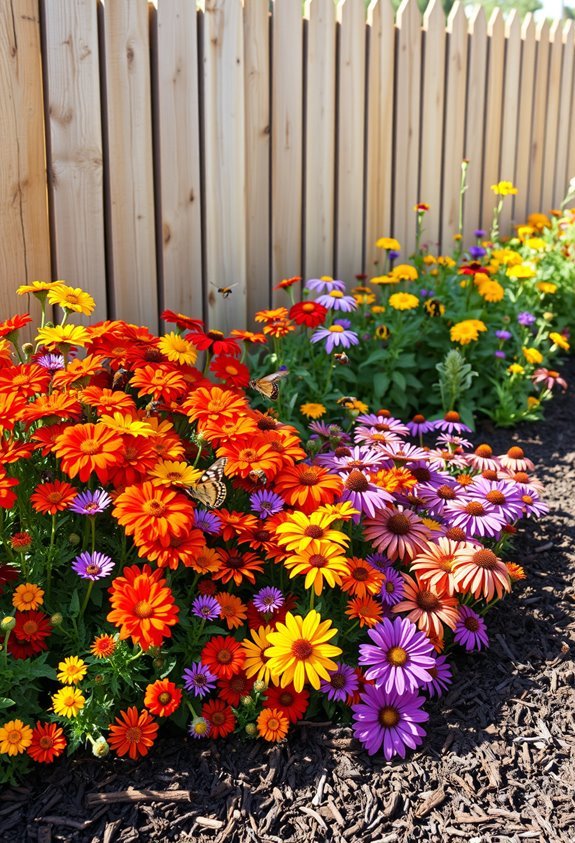
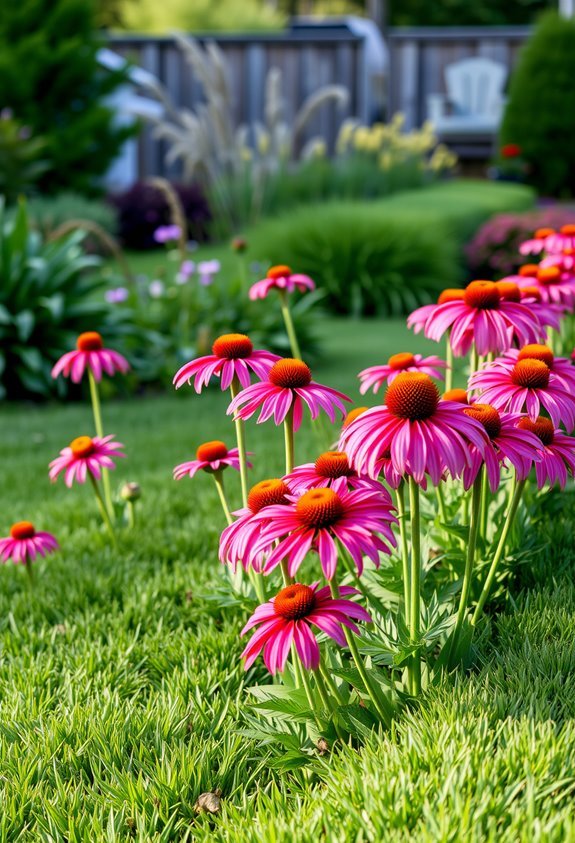
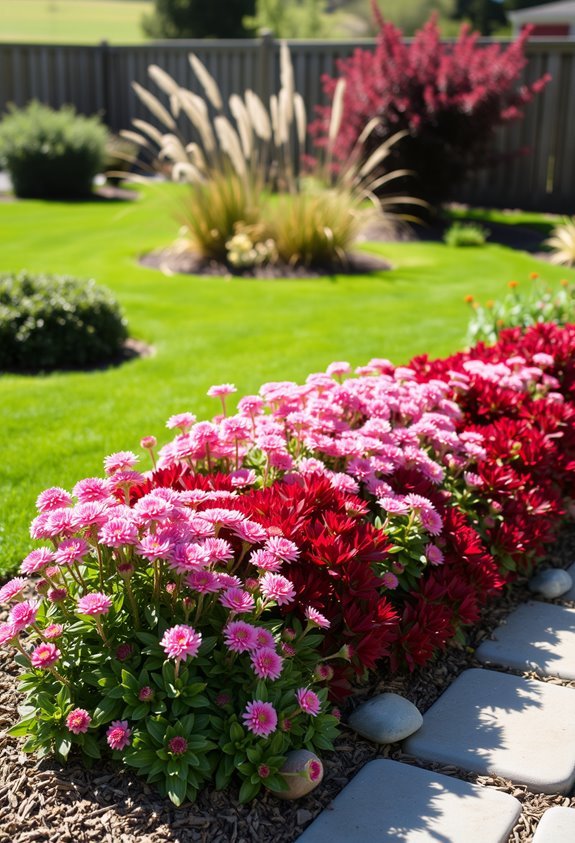
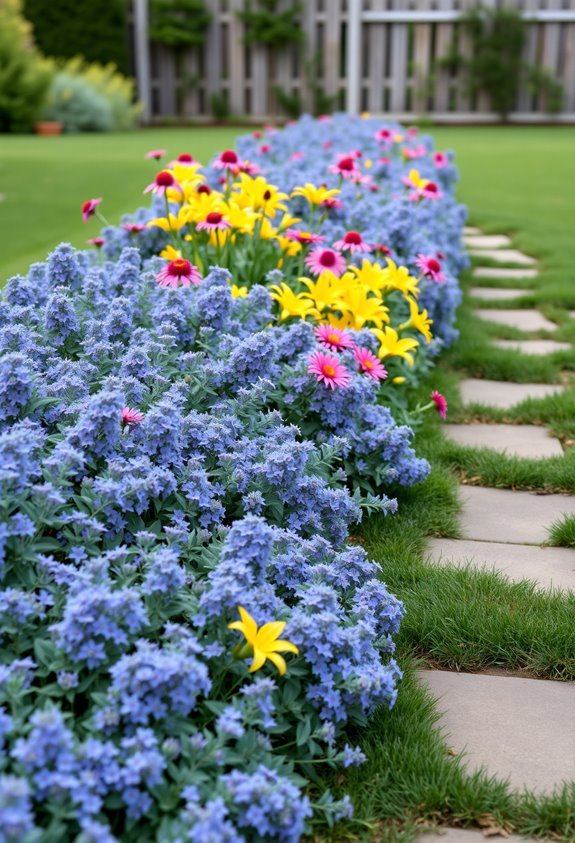
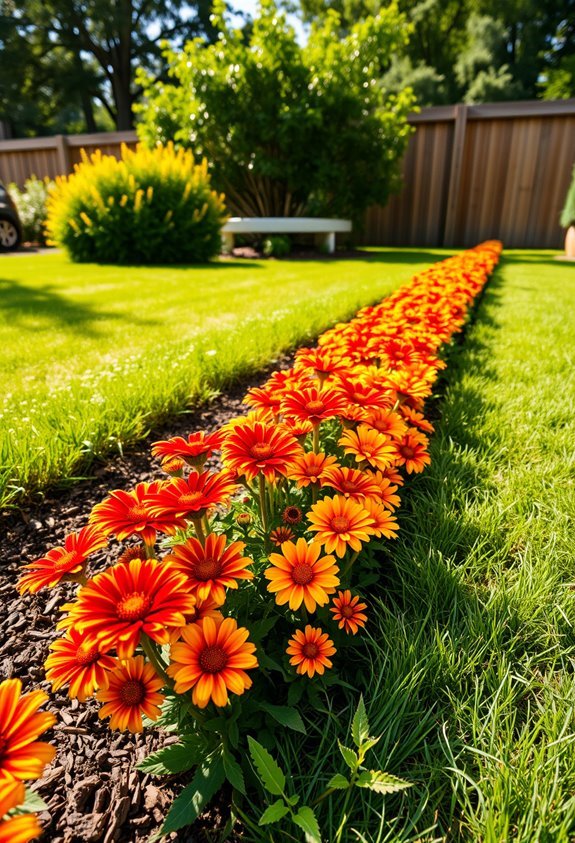
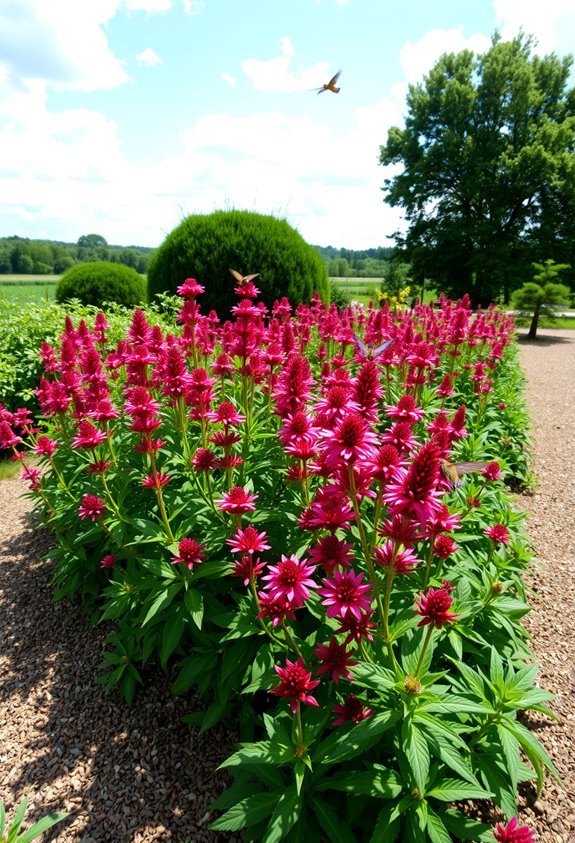
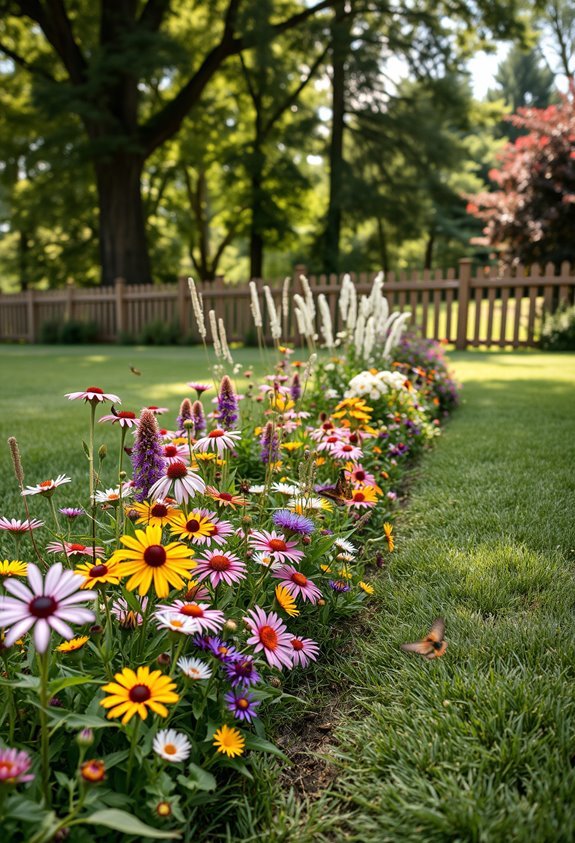
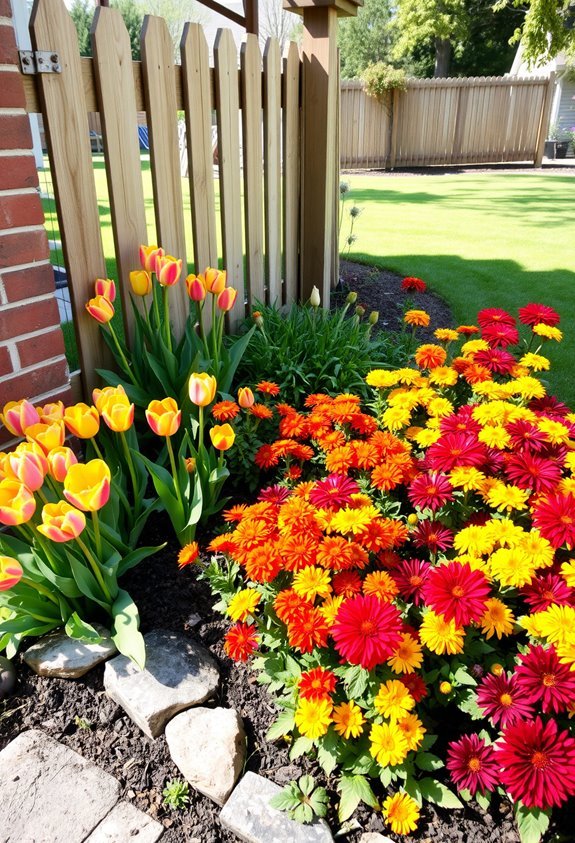
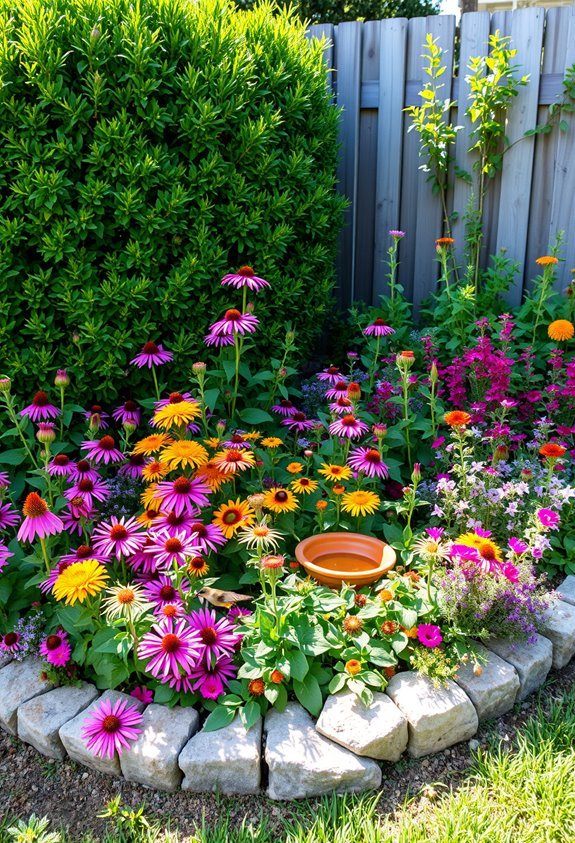
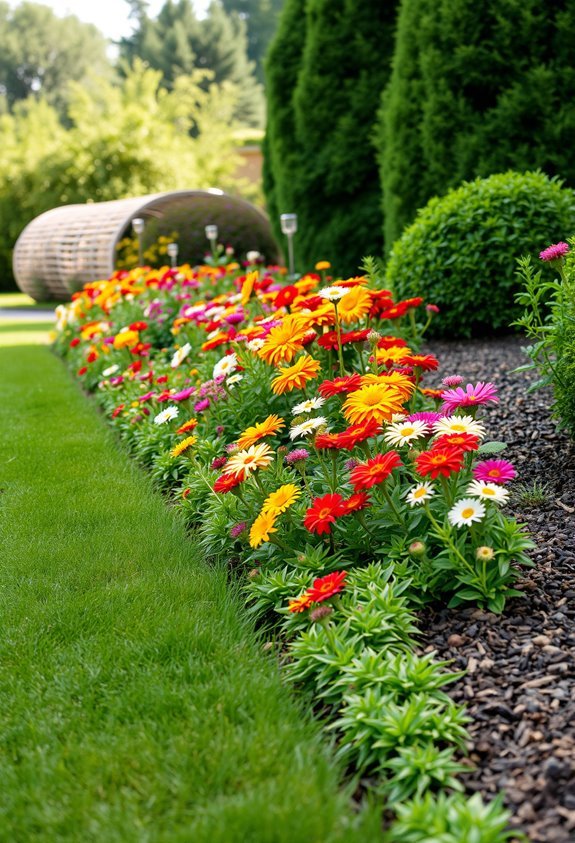
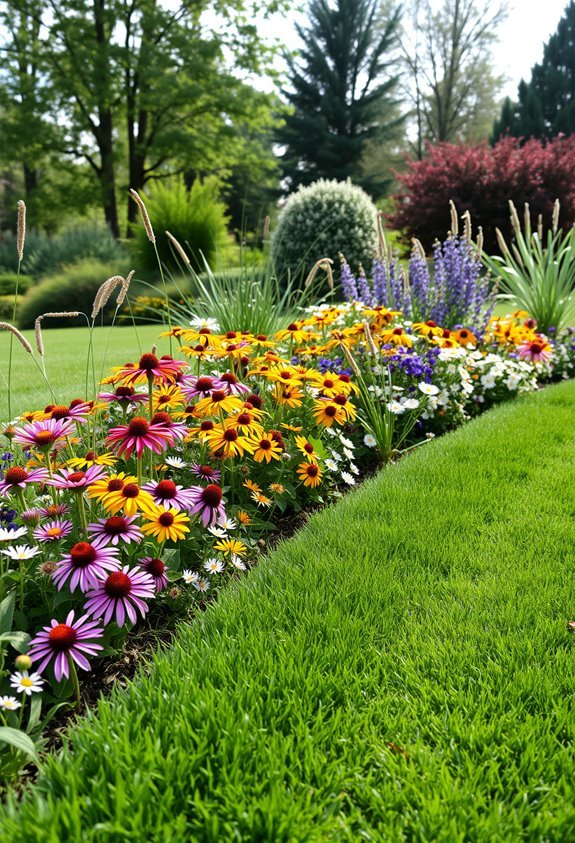
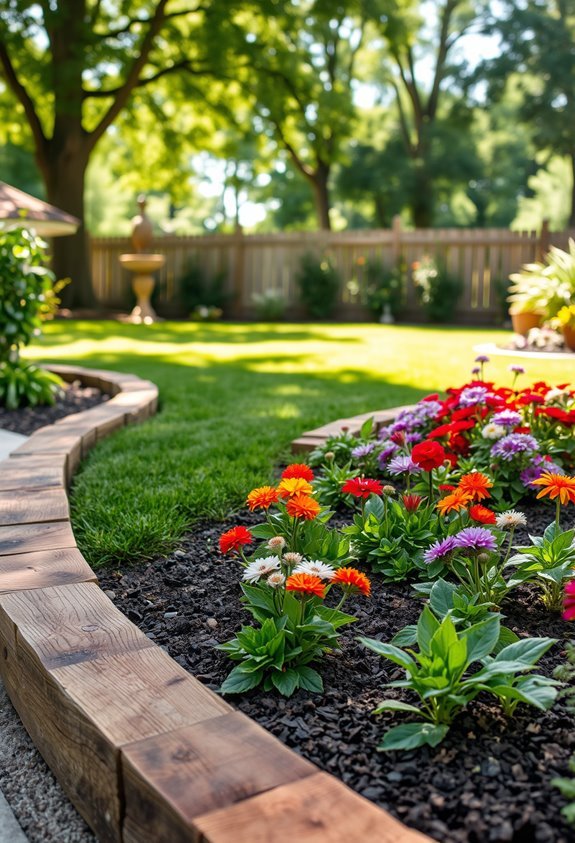
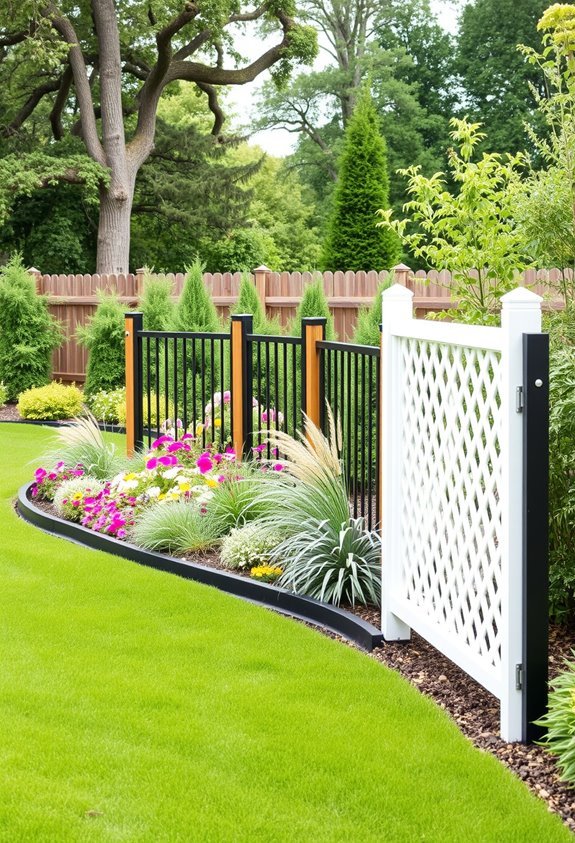
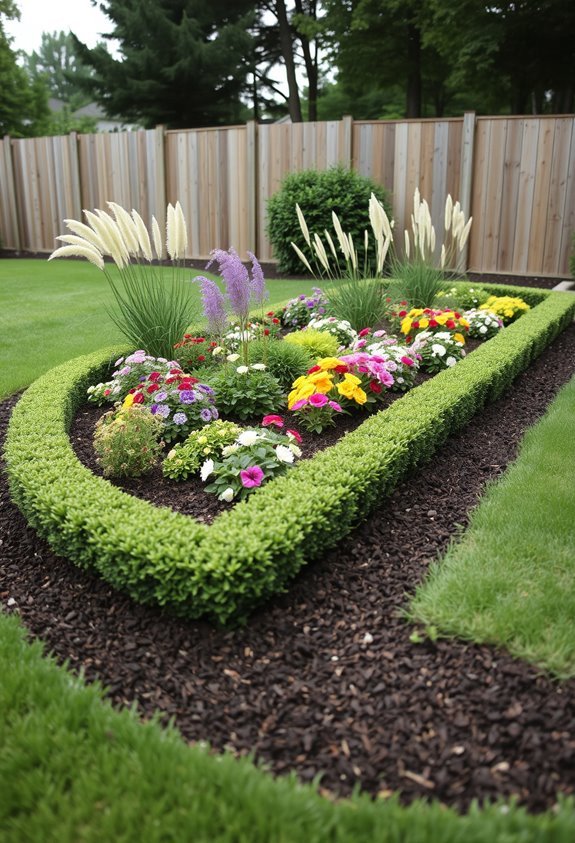
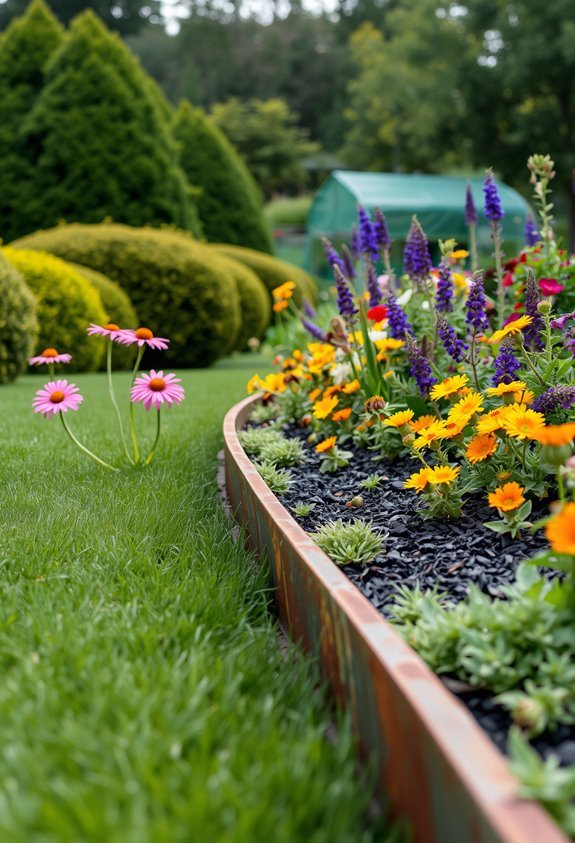
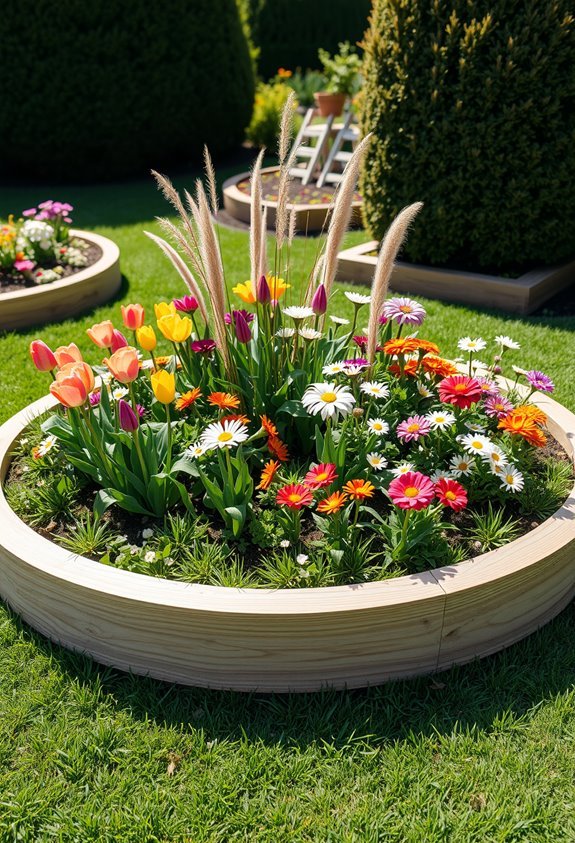
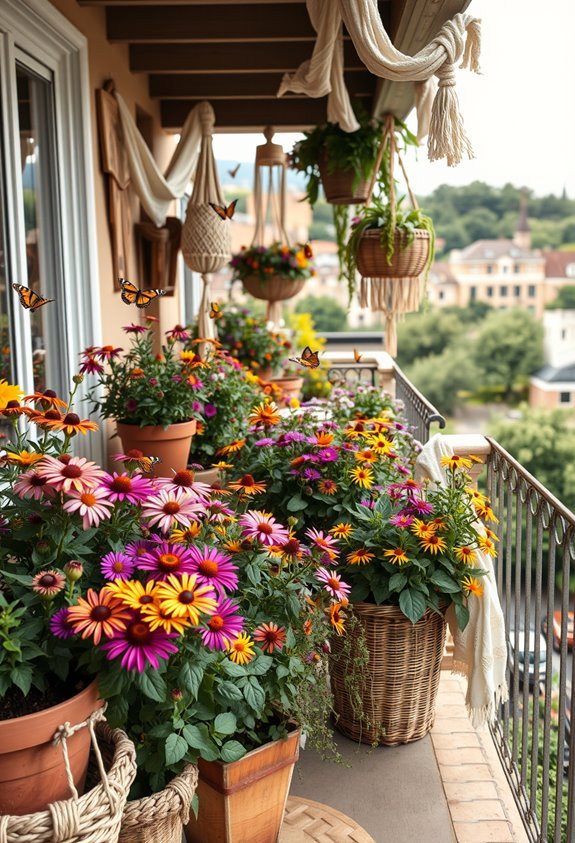
Transform your fence line into a vibrant pollinator haven by planting colorful flower borders with marigolds, zinnias, and coneflowers. These sun-loving blooms in red, yellow, and purple shades create visual appeal while providing essential food sources for bees and butterflies. Including native flowering plants increases resilience against pests and supports local ecosystems. A diverse mix guarantees continuous blooms throughout the season, boosting both garden productivity and biodiversity.
Herb Garden Haven for Fresh Culinary Delights
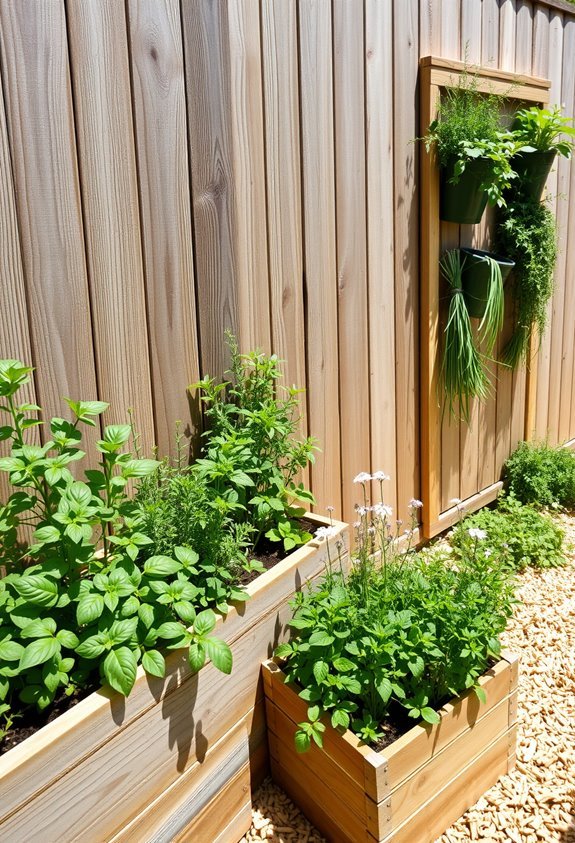
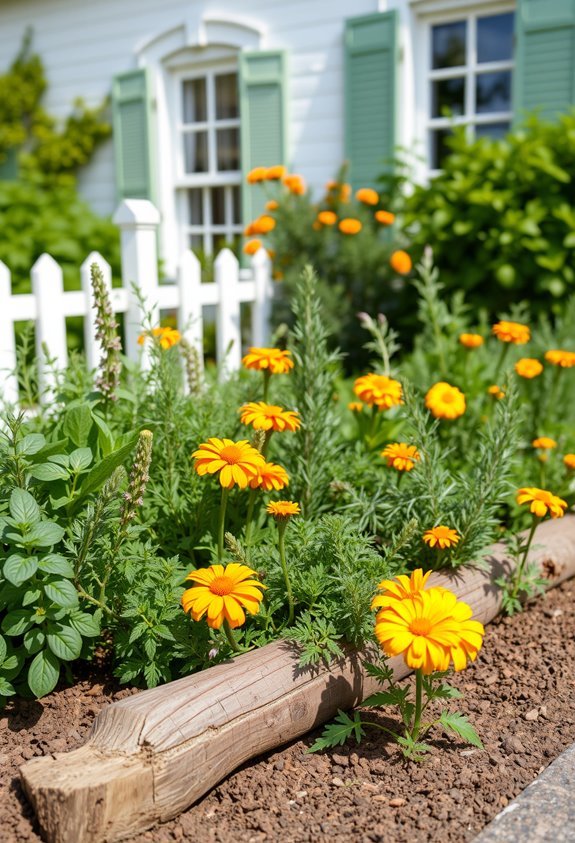
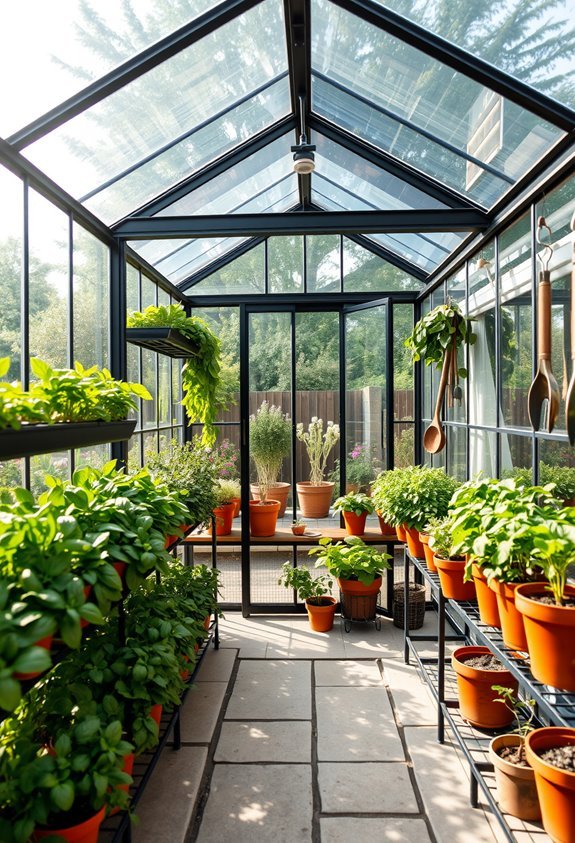
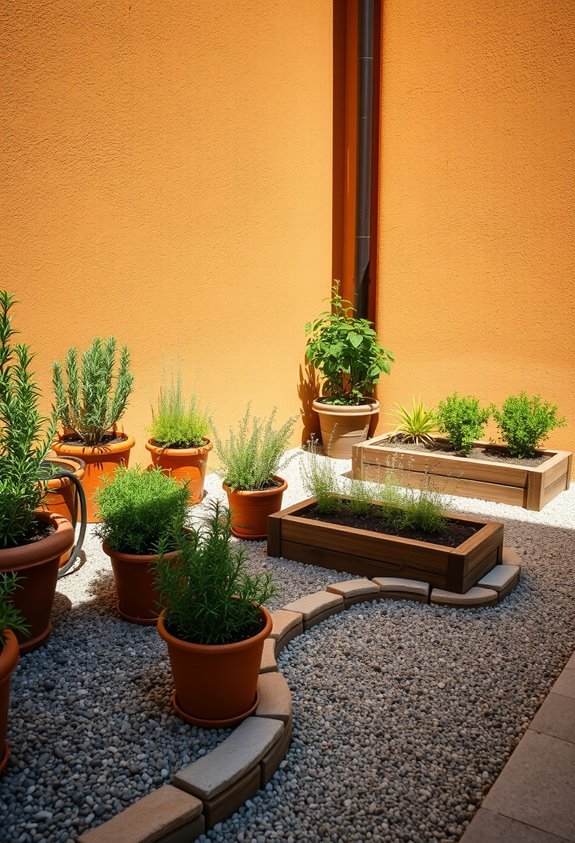
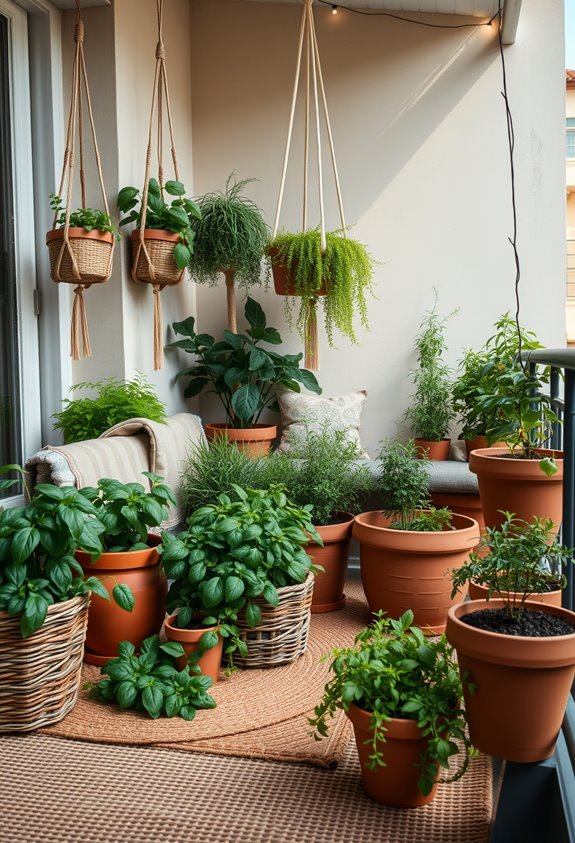
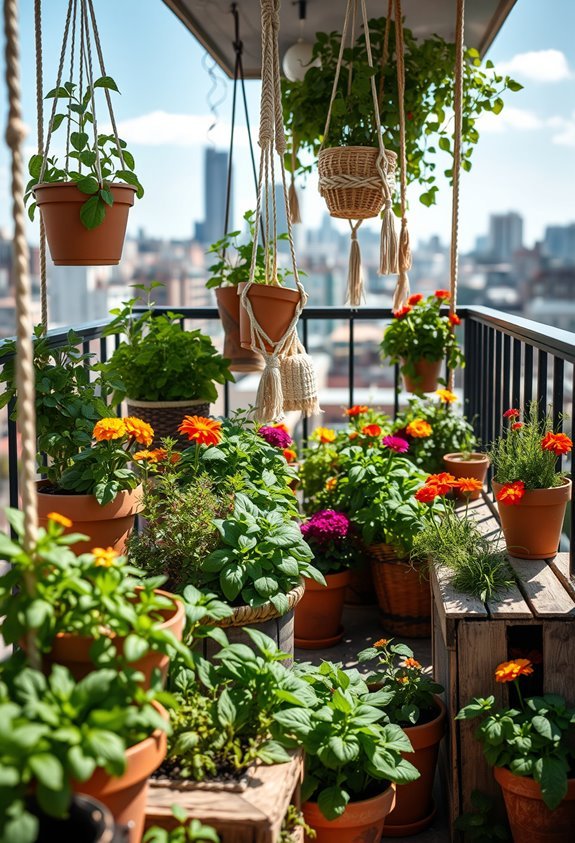
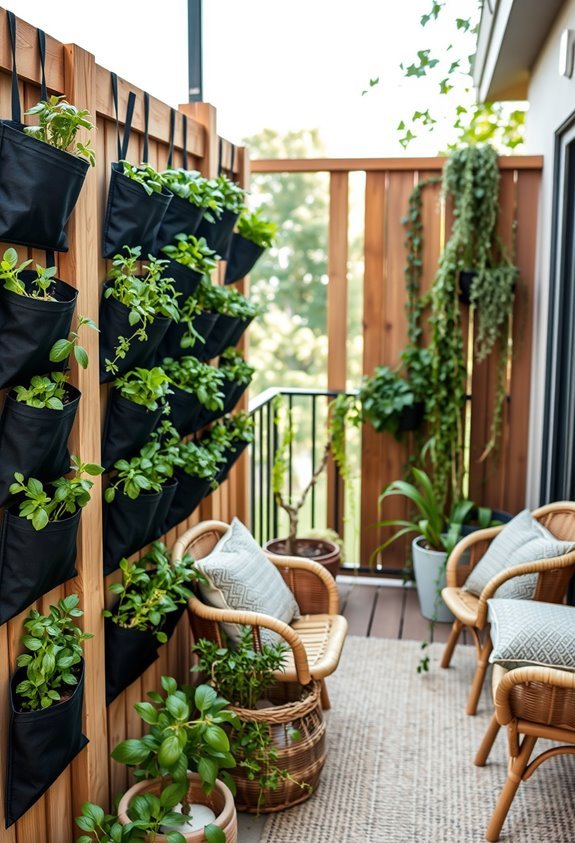
Transform your fence line into a practical herb garden that delivers fresh flavors year-round. Plant basil, rosemary, and thyme in vertical or raised planters to maximize space efficiency. These hardy herbs thrive in full sun with minimal care, requiring only regular watering and occasional pruning. Beyond culinary benefits, herbs attract beneficial pollinators like bees and butterflies while varieties like mint and chives provide continuous harvests throughout the growing season.
Native Plants That Support Local Wildlife
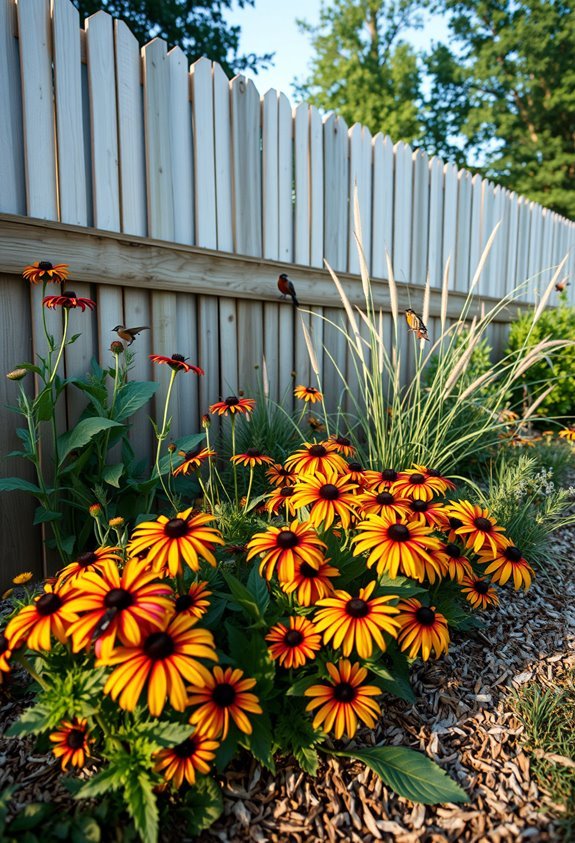
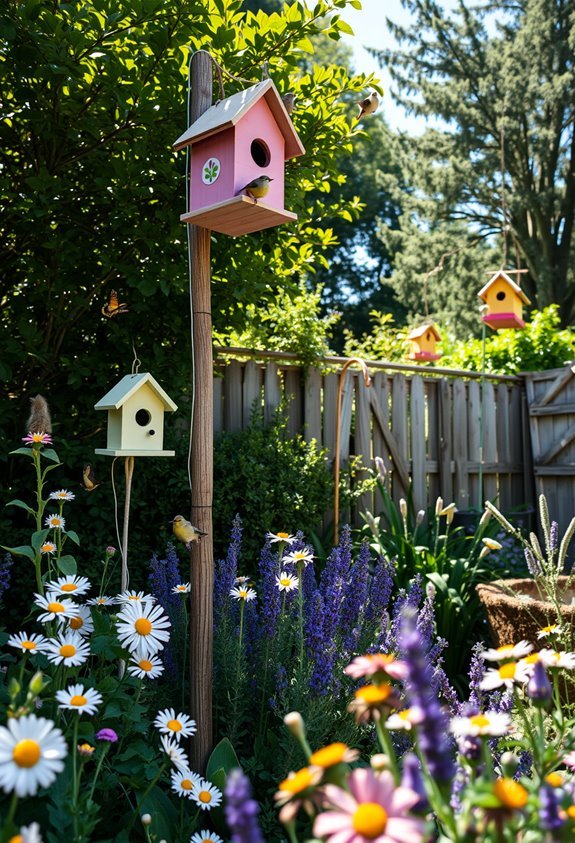
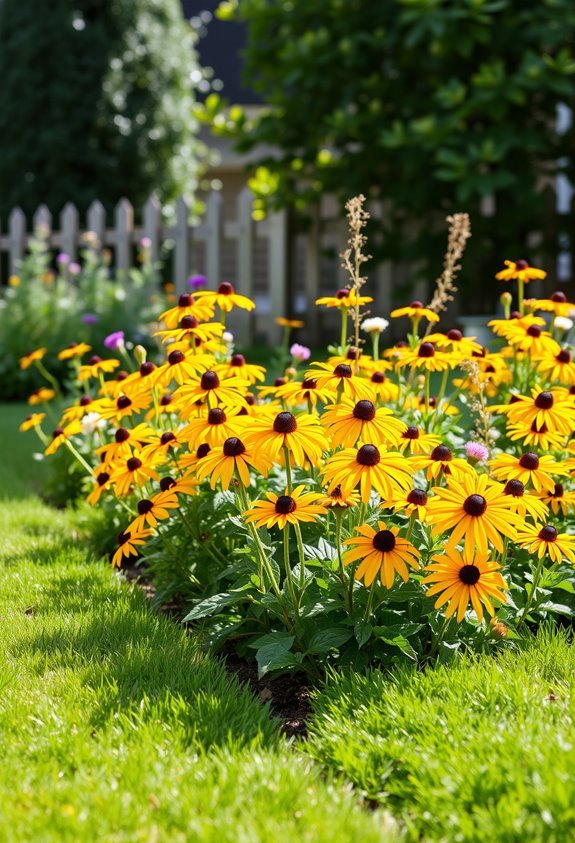
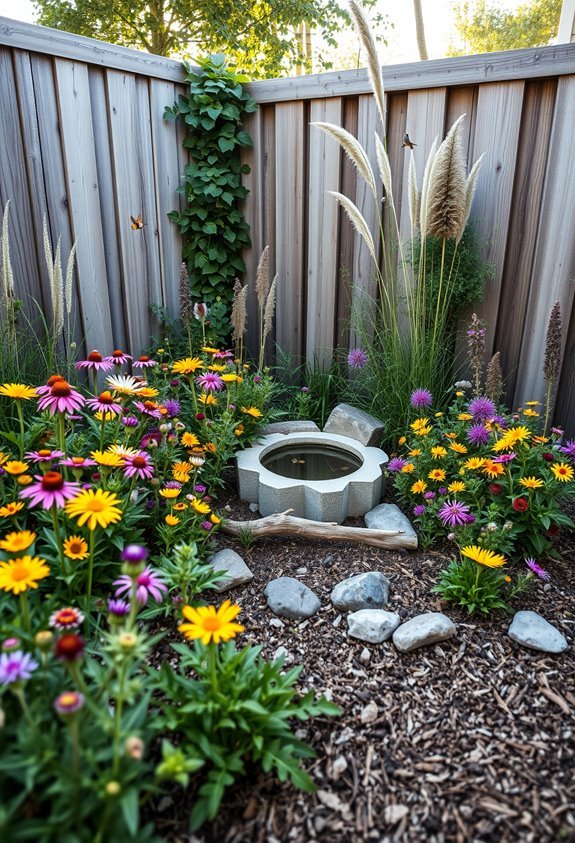
Create a thriving ecosystem along your fence by choosing native plants that naturally support local wildlife. Native species like coneflowers, milkweed, and black-eyed Susans provide essential food sources for birds, butterflies, and beneficial insects. These plants are perfectly adapted to your local climate, requiring less water and maintenance while offering year-round shelter for wildlife. This sustainable approach enhances biodiversity and creates a balanced, healthy garden environment.
Low-Maintenance Succulents for Easy Care
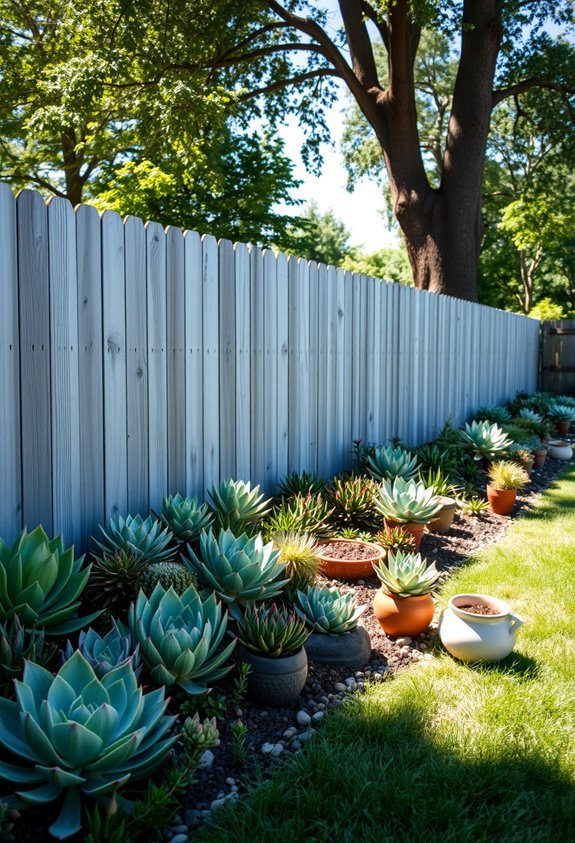
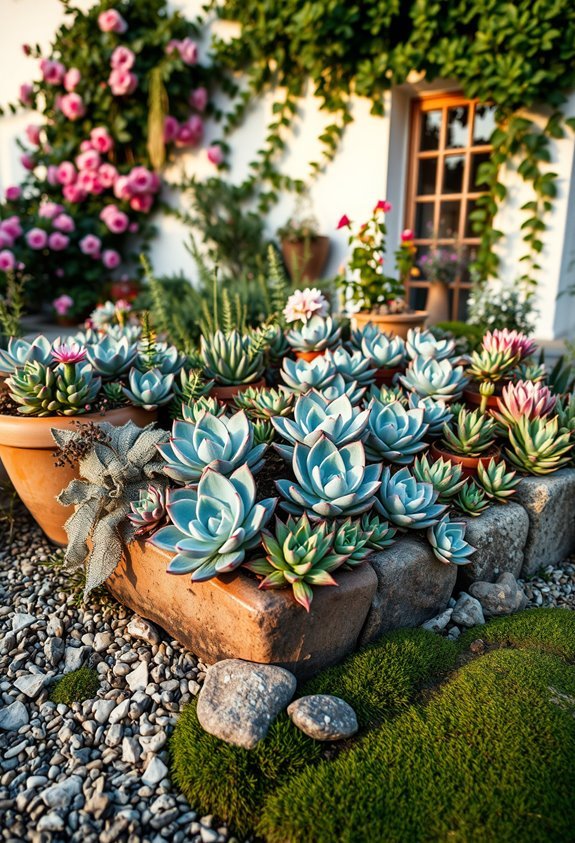
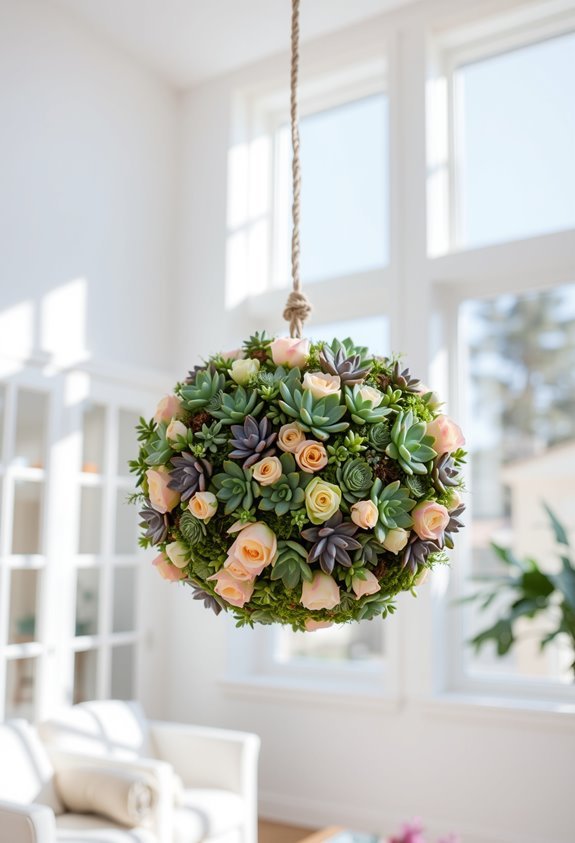
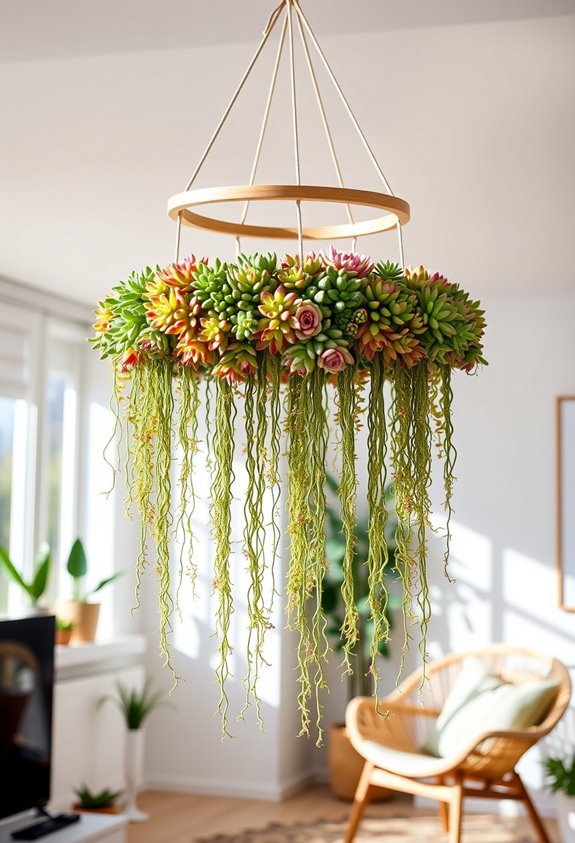
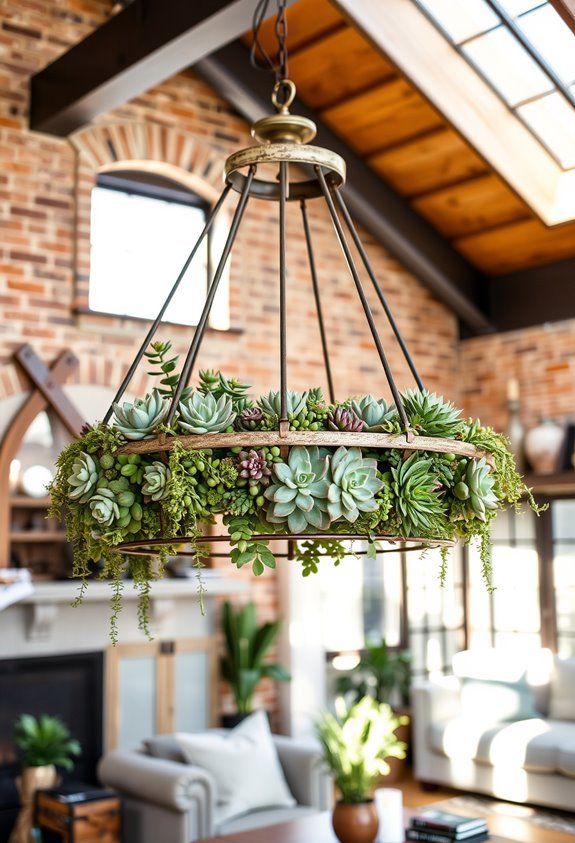
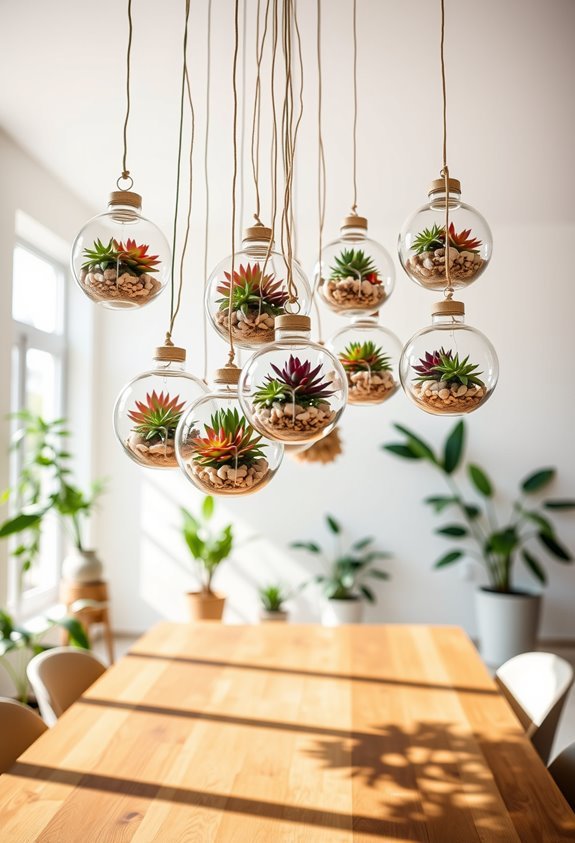
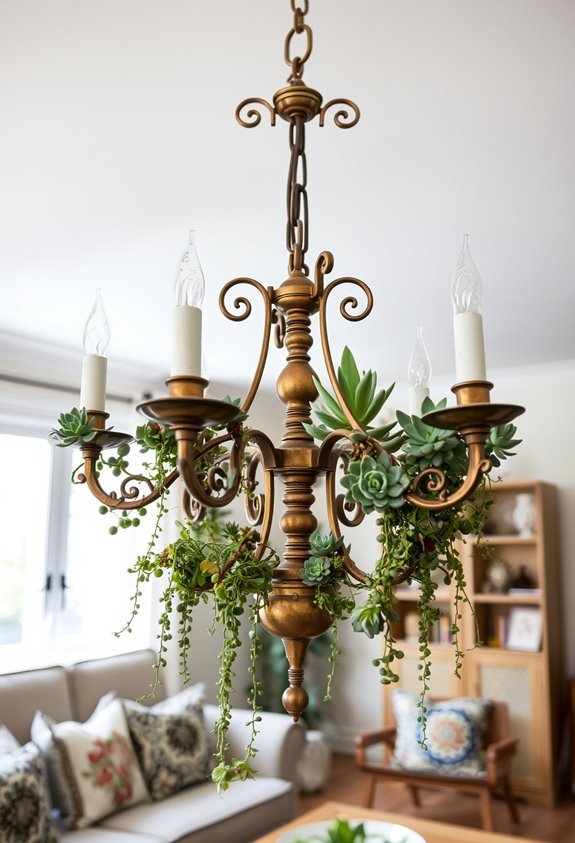
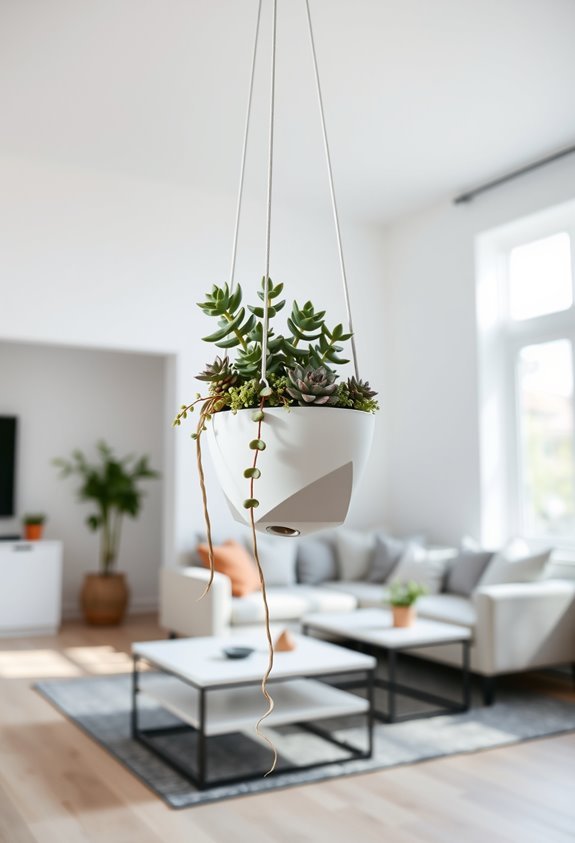
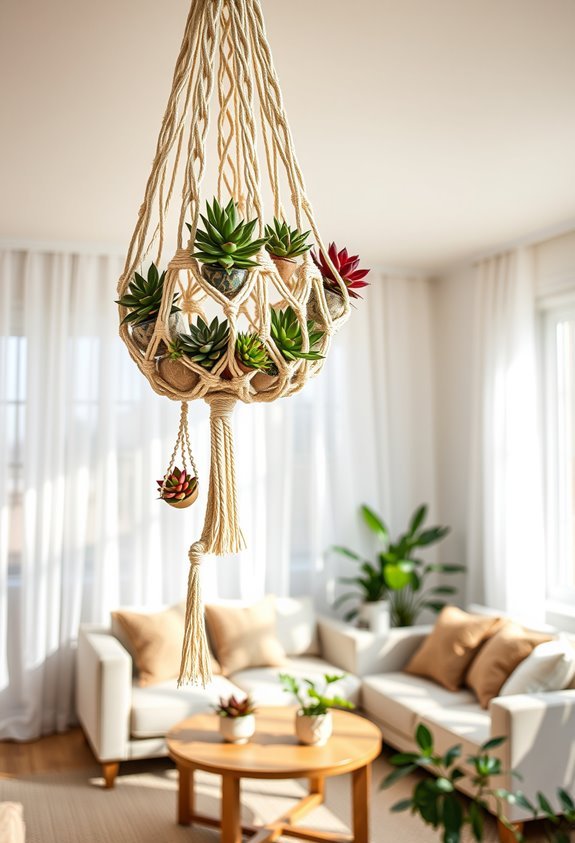
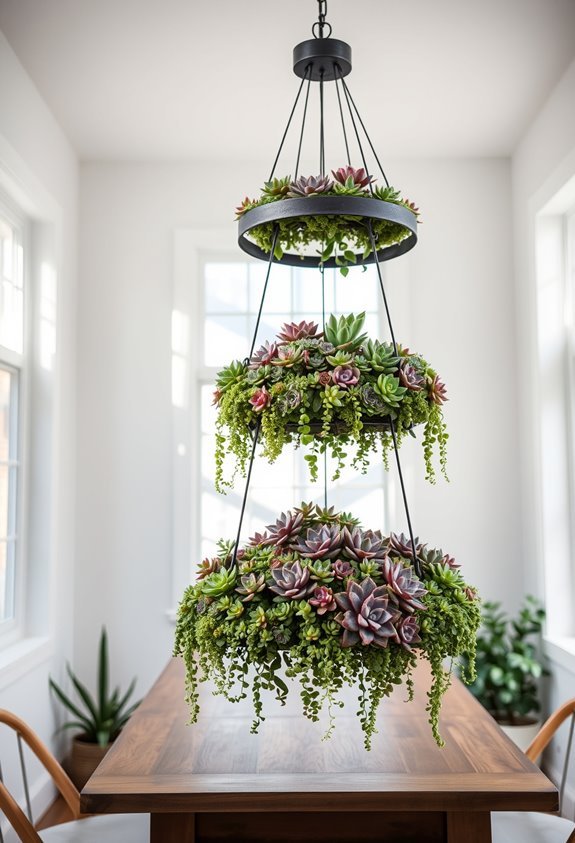
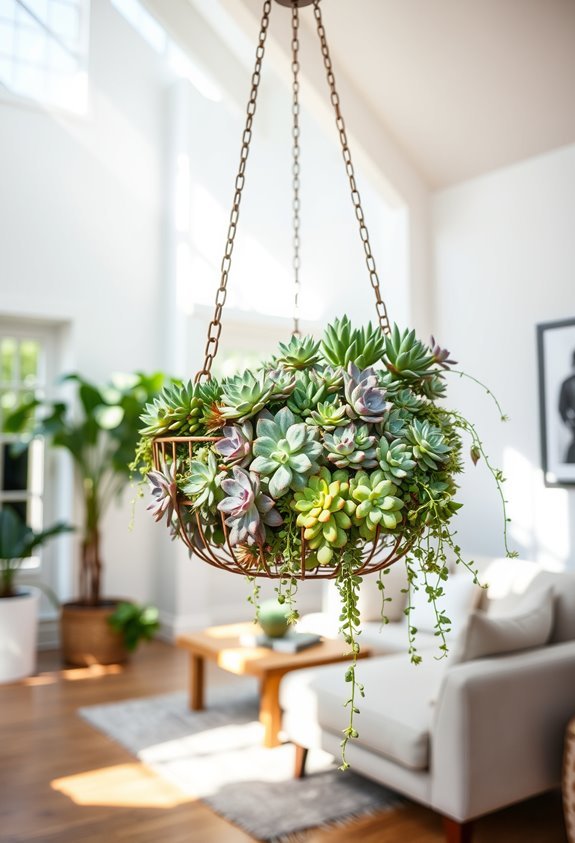
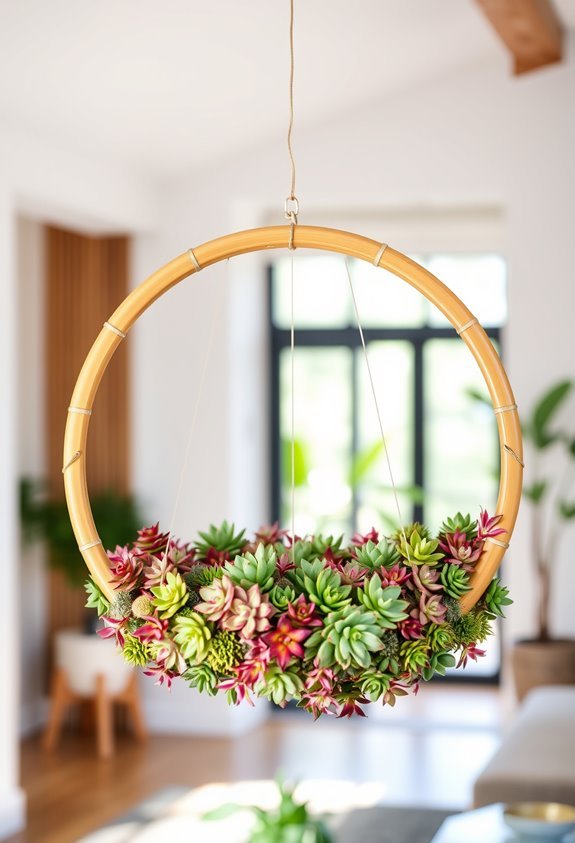
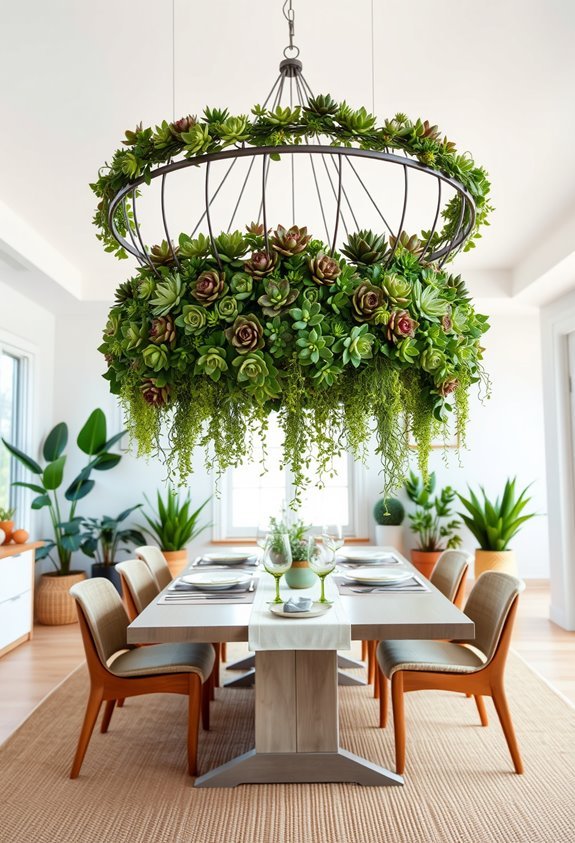
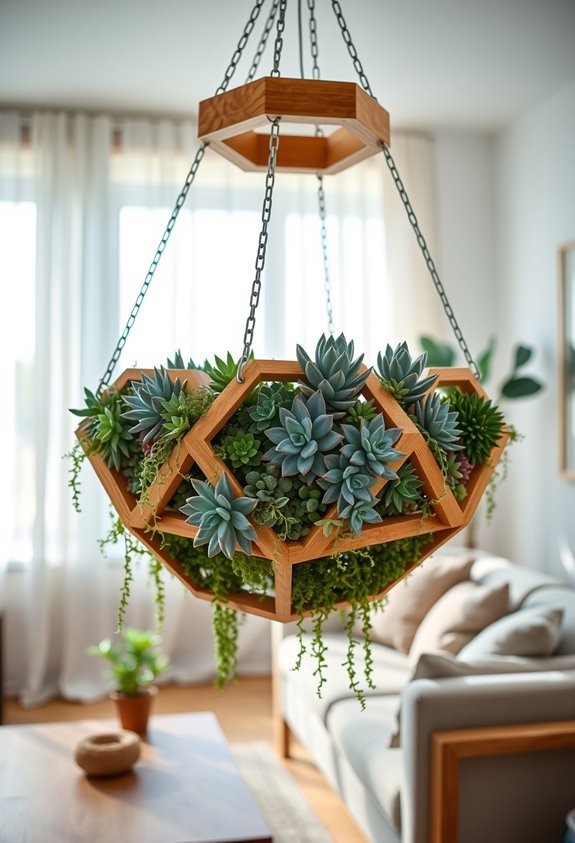
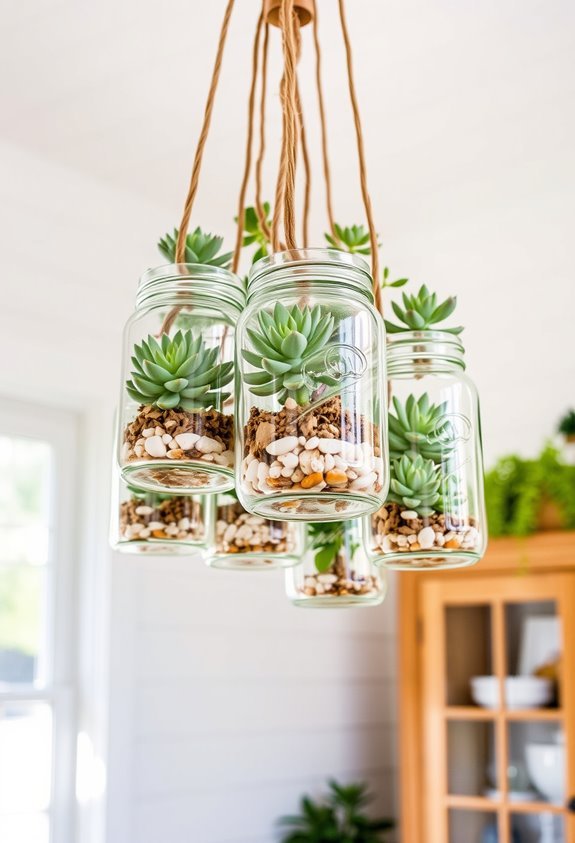
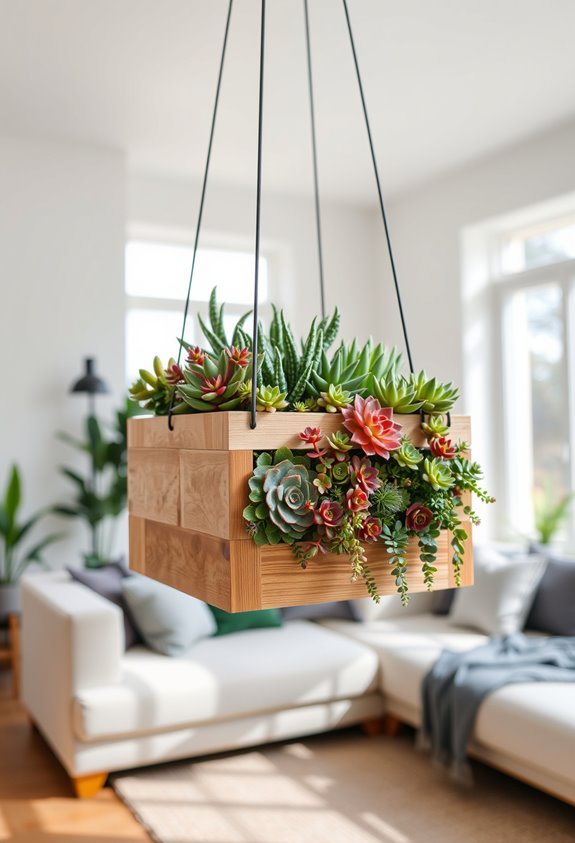
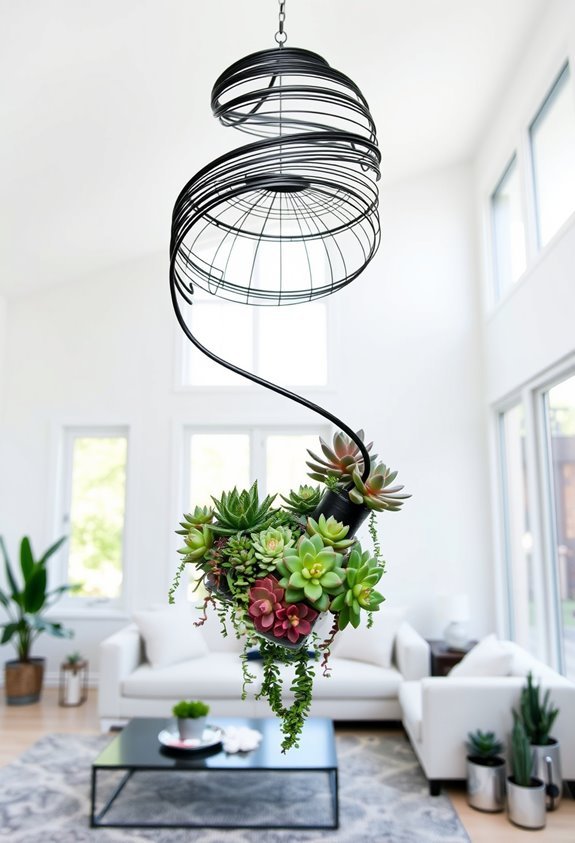
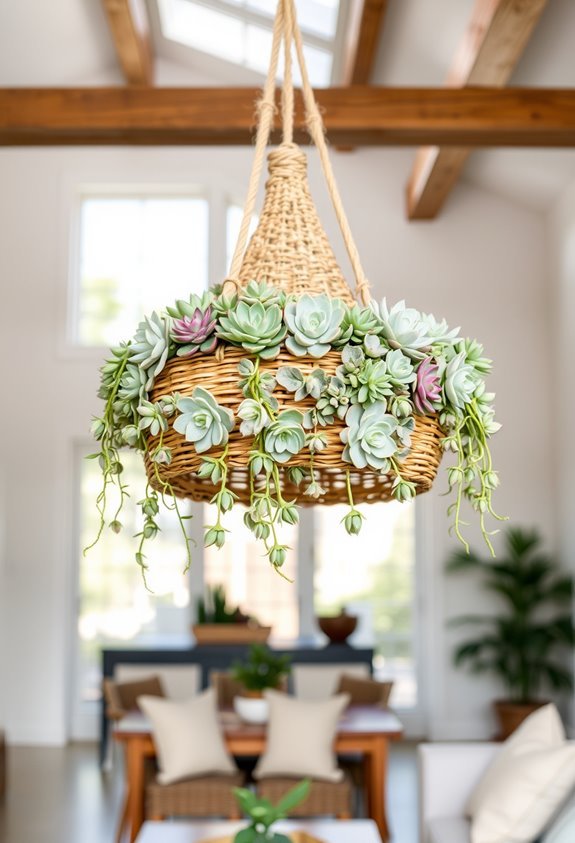
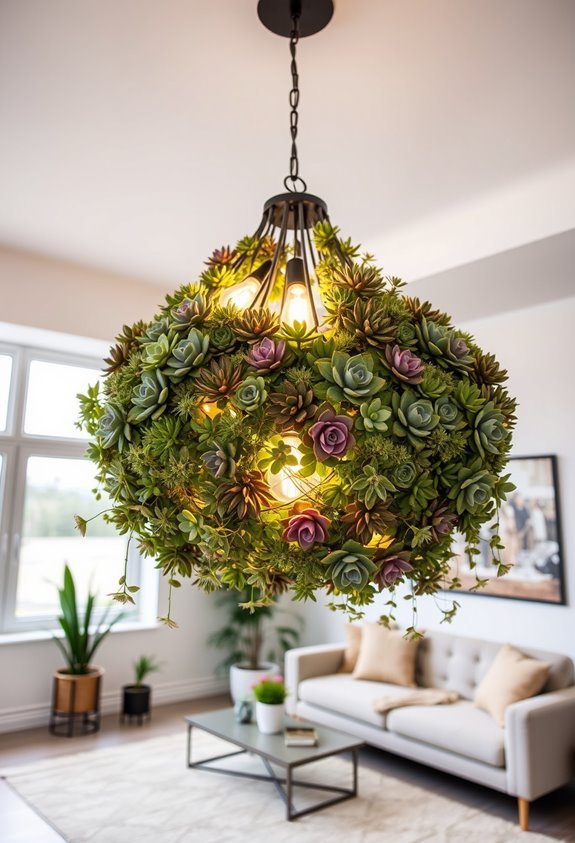
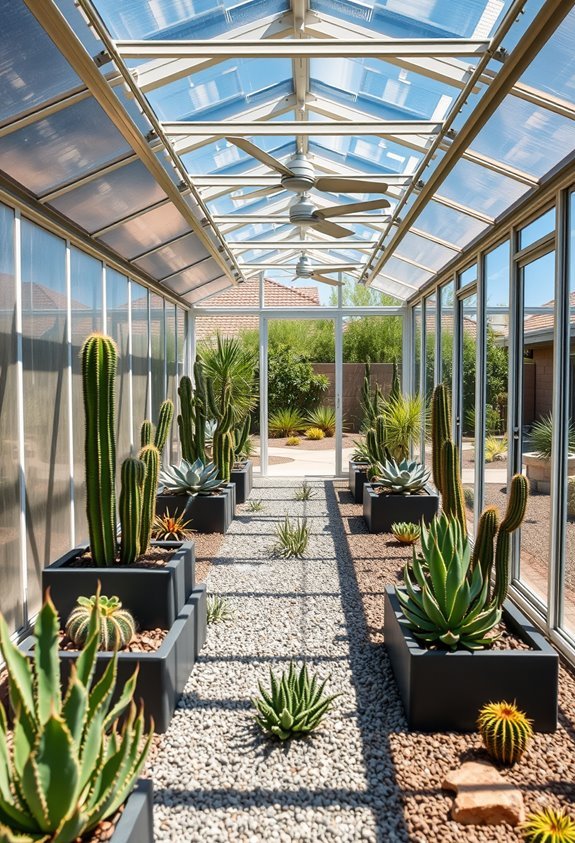
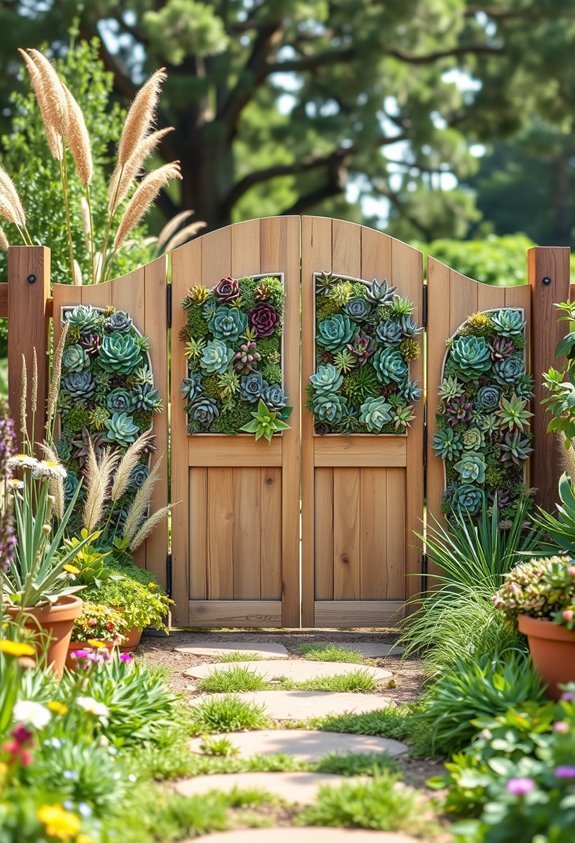
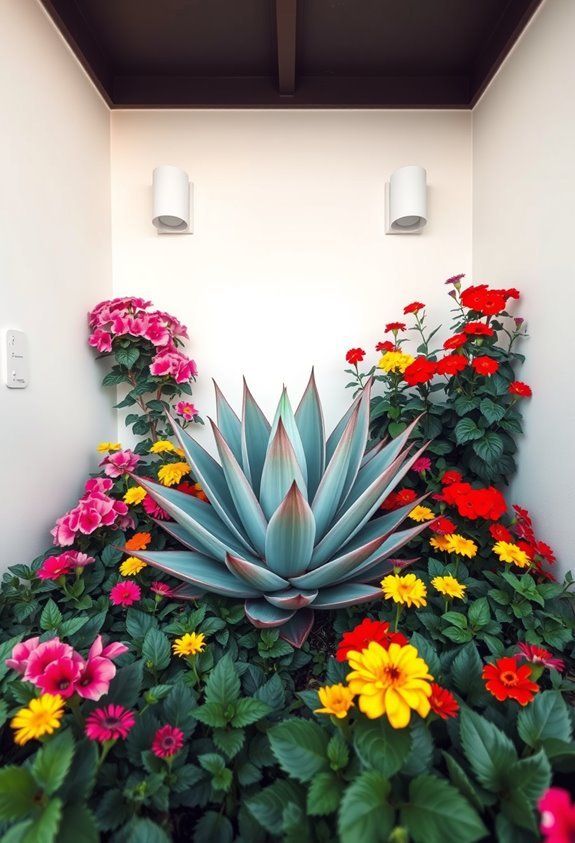
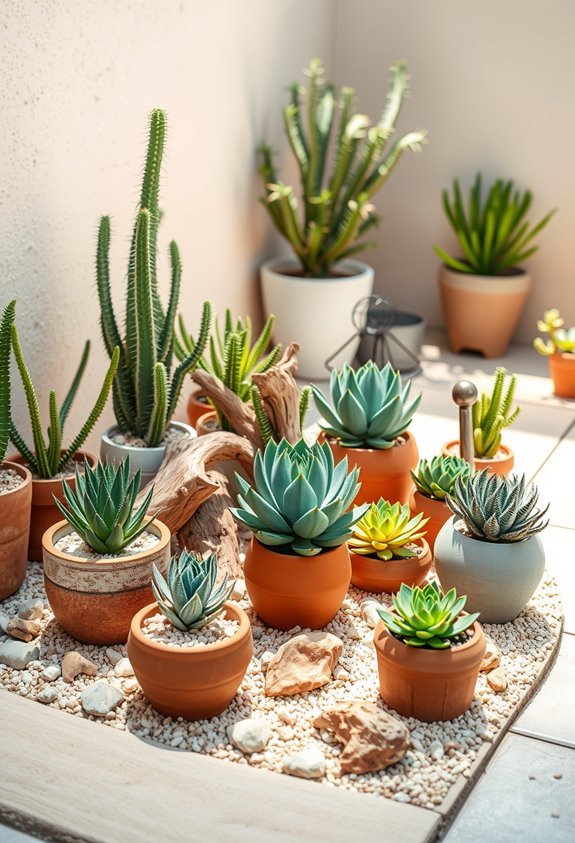
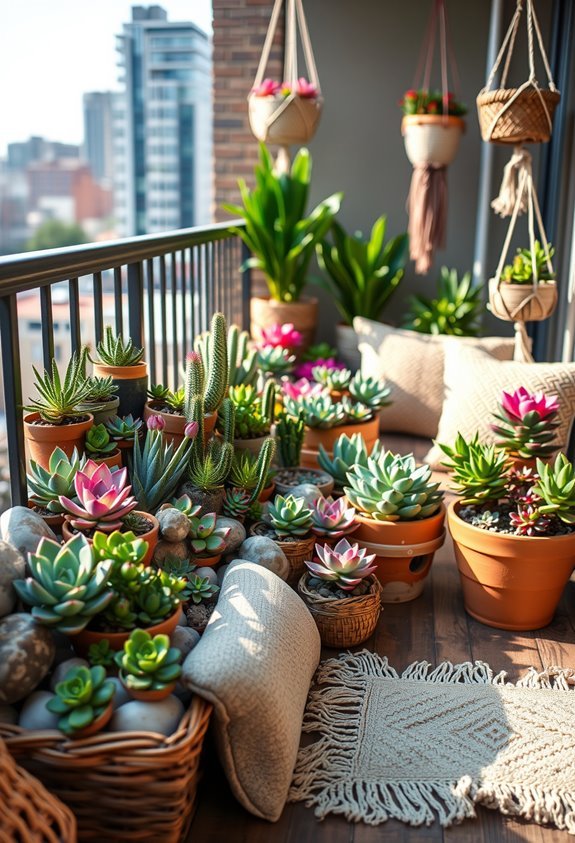
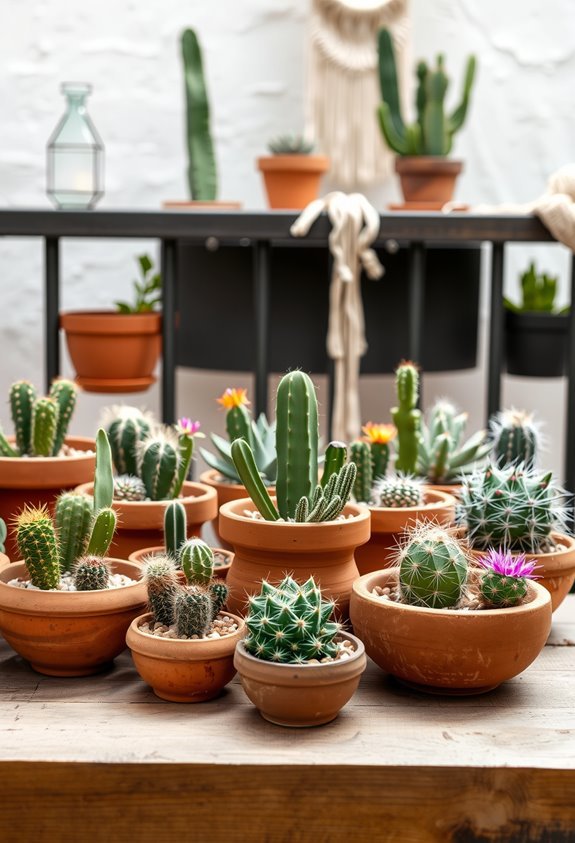
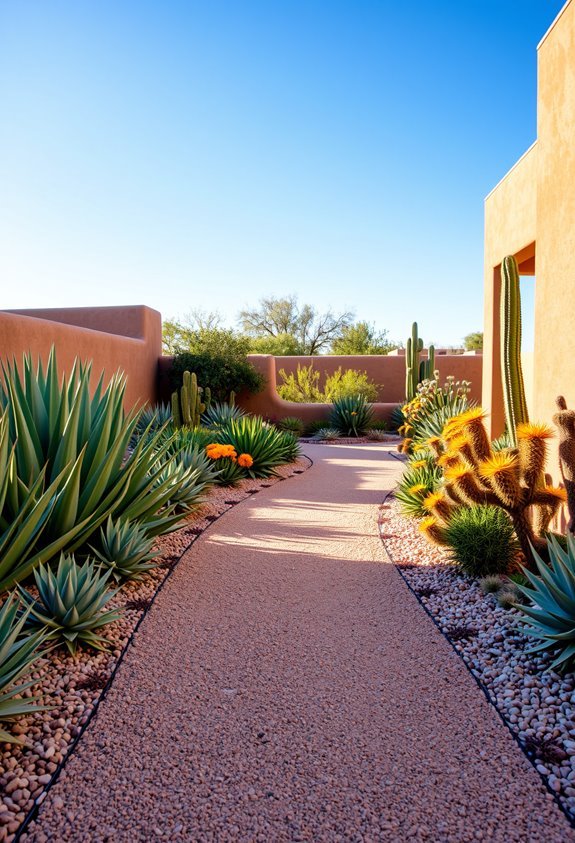
Transform your fence line into a stunning, low-effort display with drought-resistant succulents. These versatile plants thrive in well-drained soil and tolerate various light conditions, from full sun to partial shade. With their diverse shapes, sizes, and colors, succulents create visual interest while requiring minimal watering and care. Simply plant them in containers or directly in the ground, then enjoy years of beauty with just occasional pruning and leaf removal.
Vegetable Patch at the Fence Edge
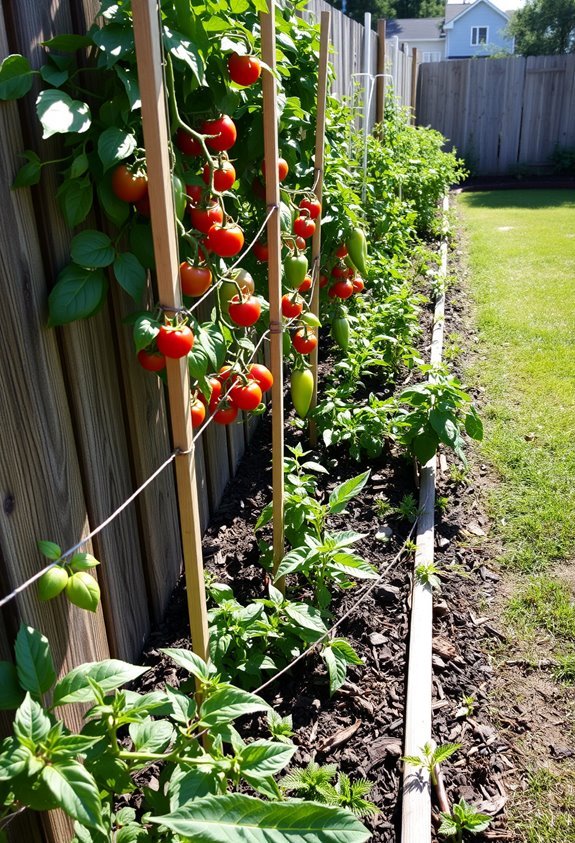
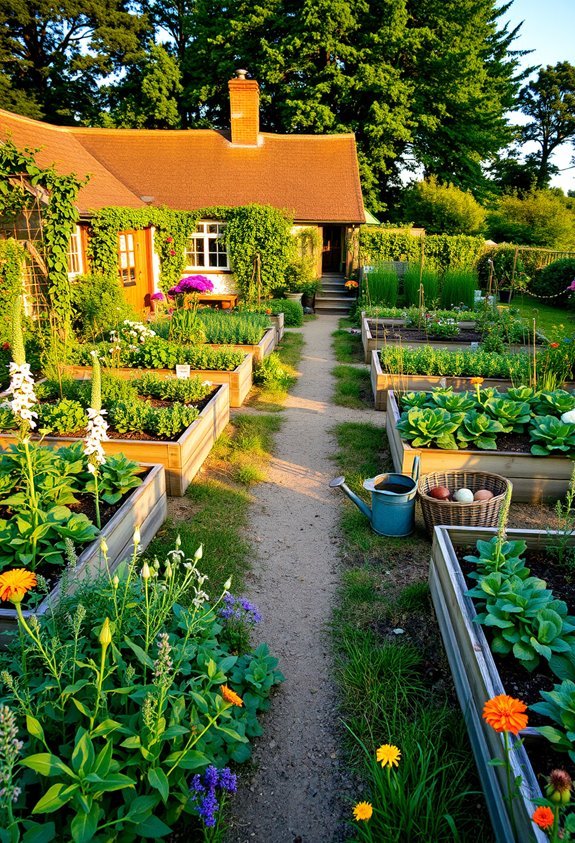
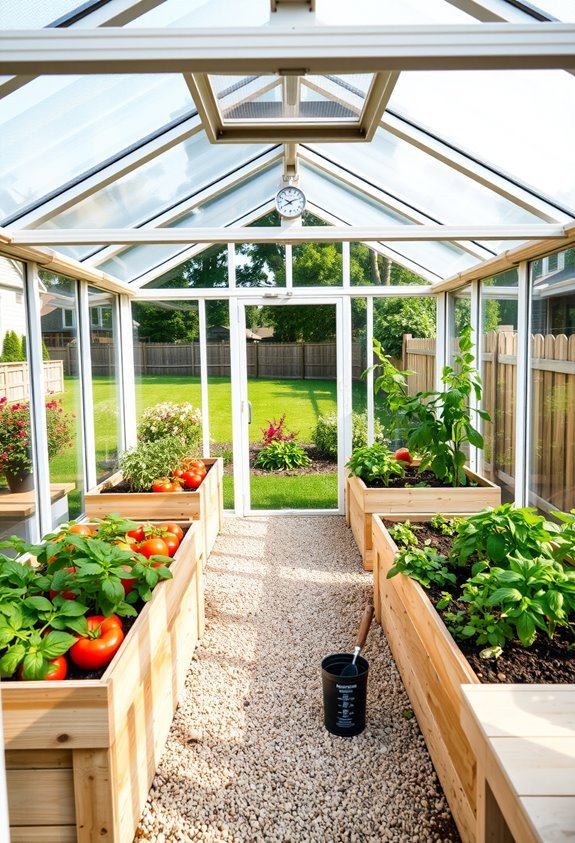
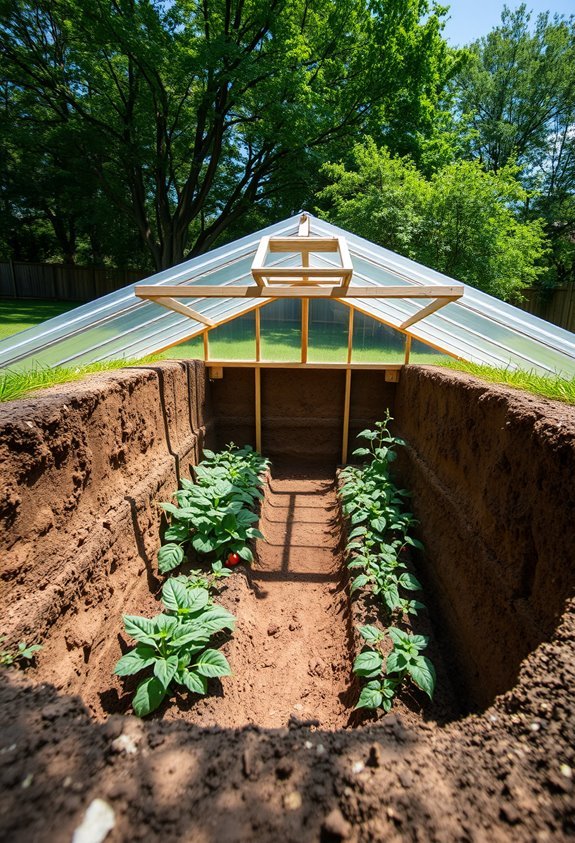
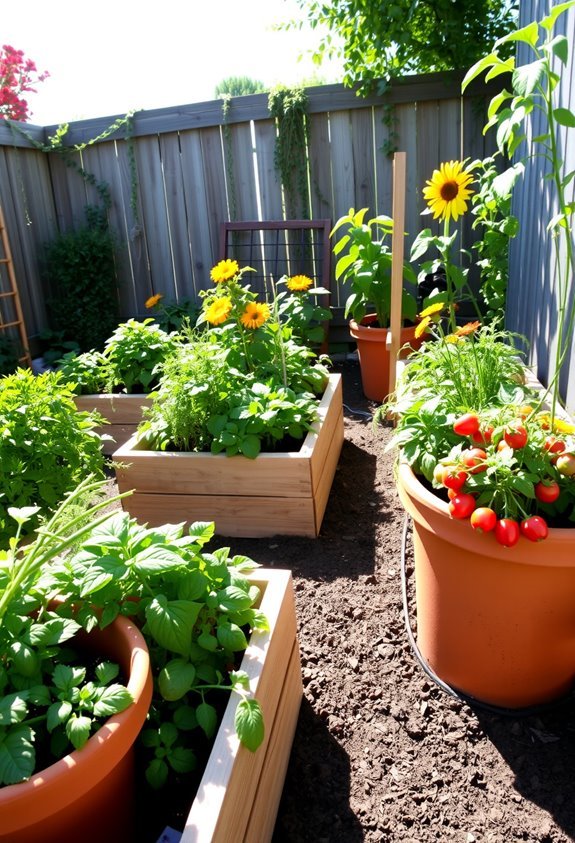
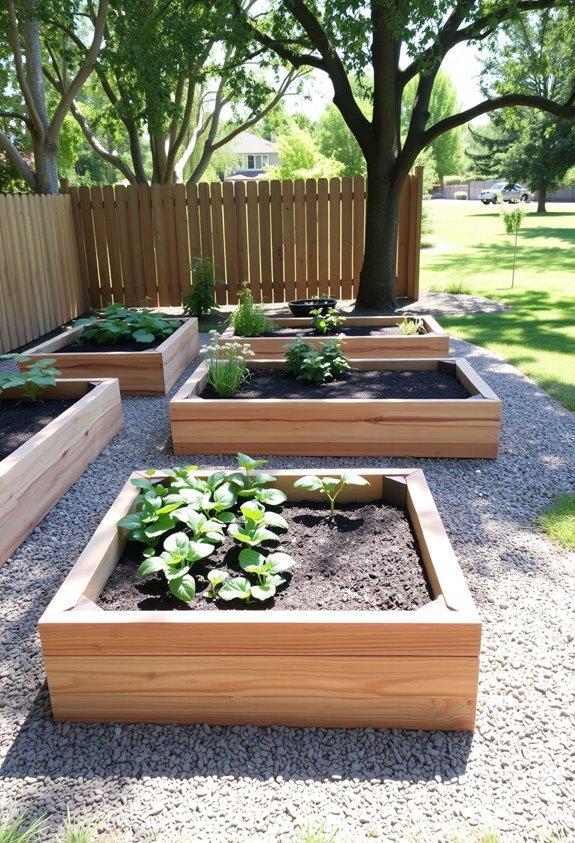
Transform your fence edge into a productive vegetable garden that maximizes your yard’s potential. Sunny spots along fences are perfect for tomatoes, peppers, and cucumbers, which benefit from vertical support and wind protection. Use companion planting techniques like pairing tomatoes with basil to enhance growth and naturally deter pests. This approach creates fresh produce while adding vibrant colors and an inviting landscape to your outdoor space.
Climbing Vines for Natural Privacy Screens
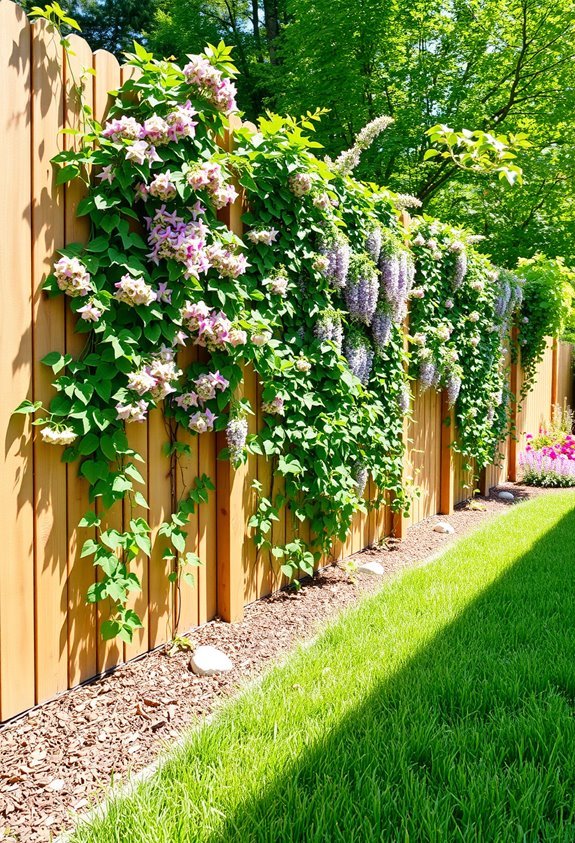
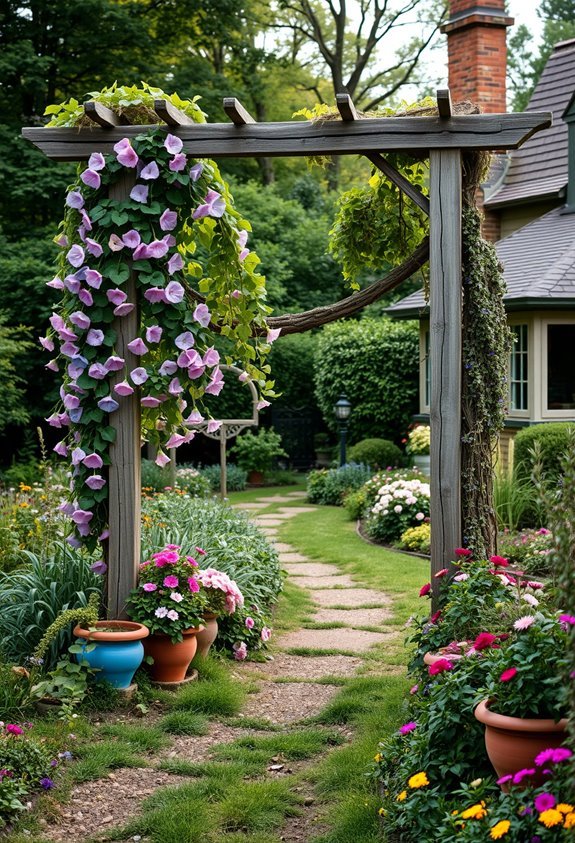
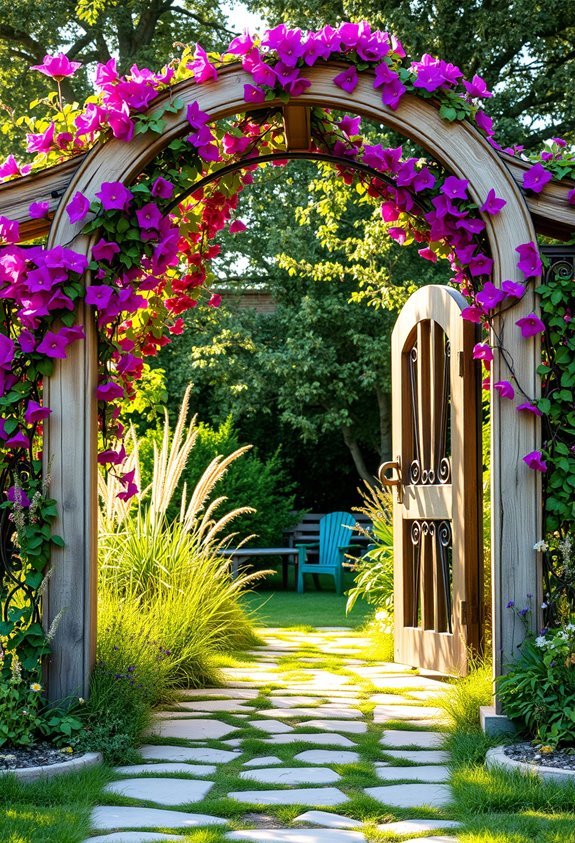
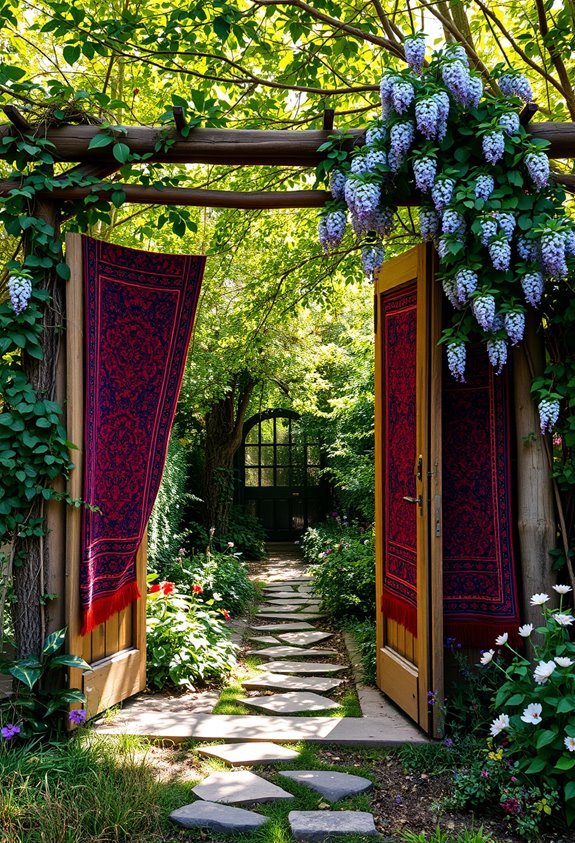
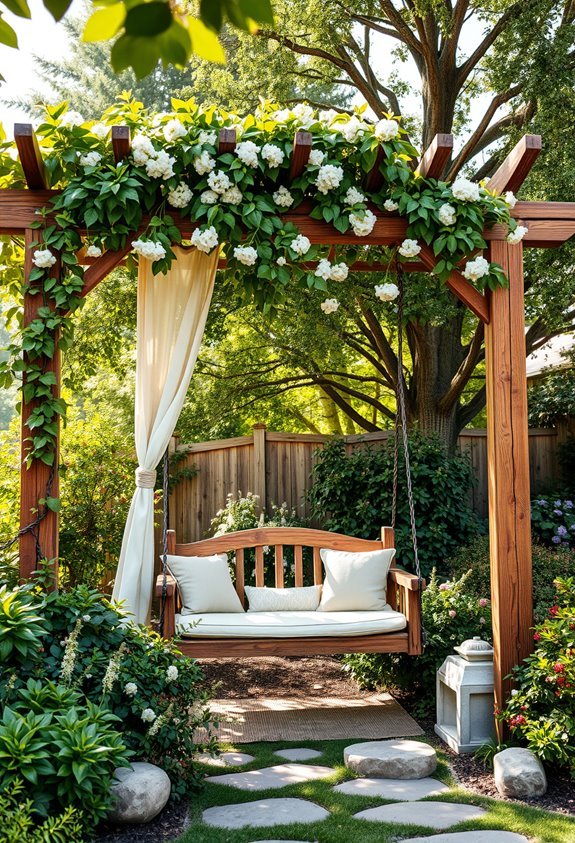
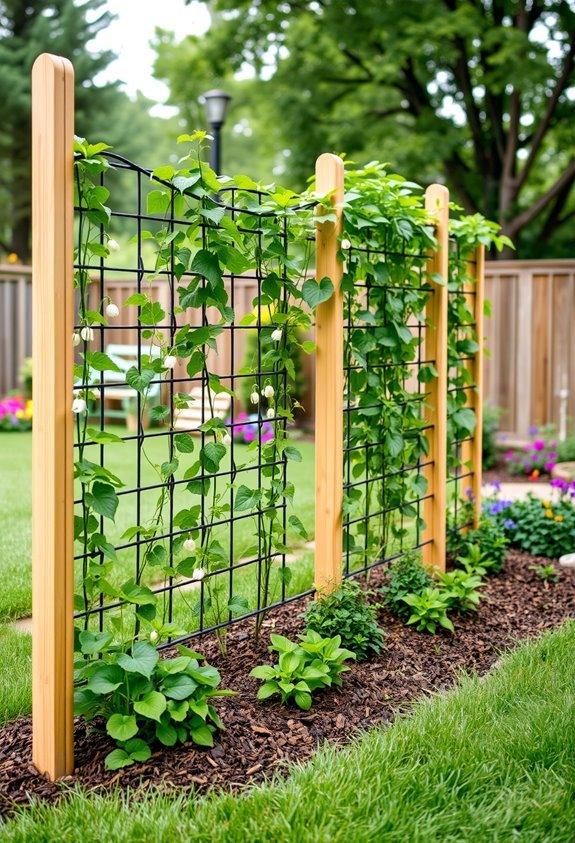
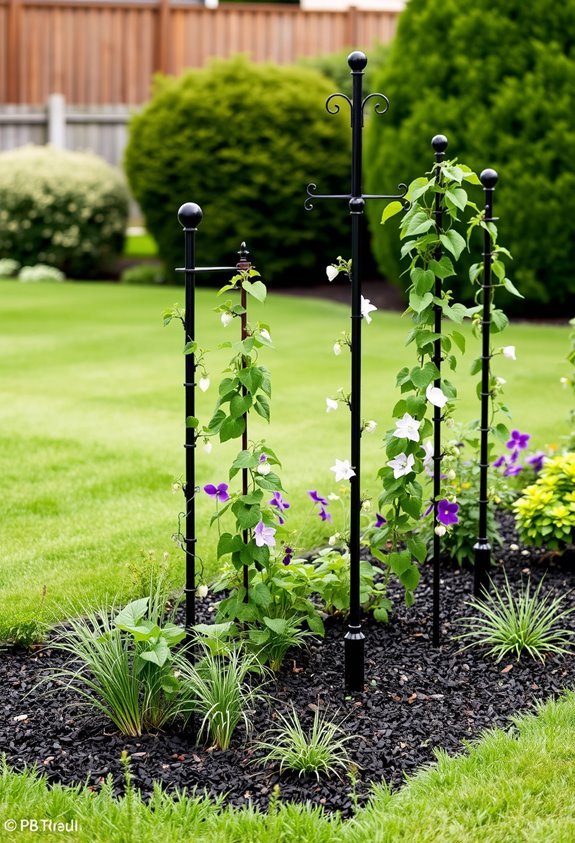
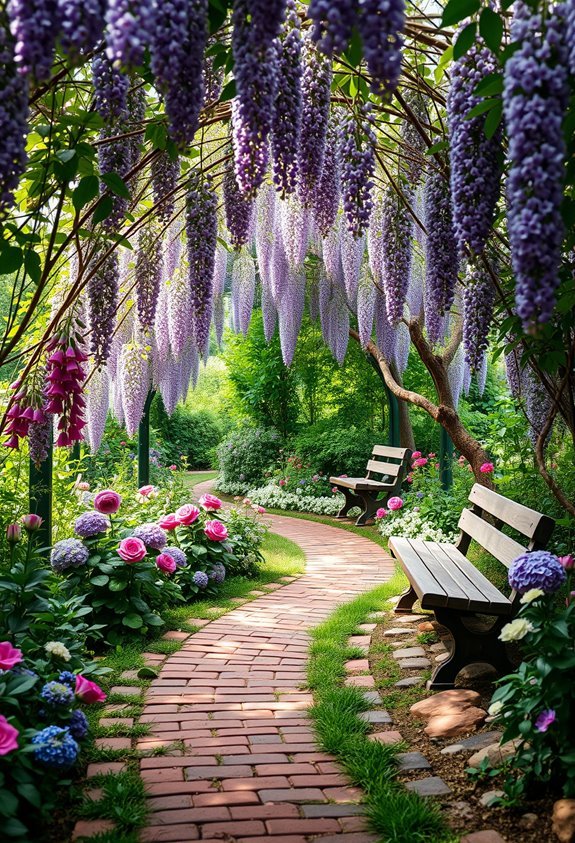
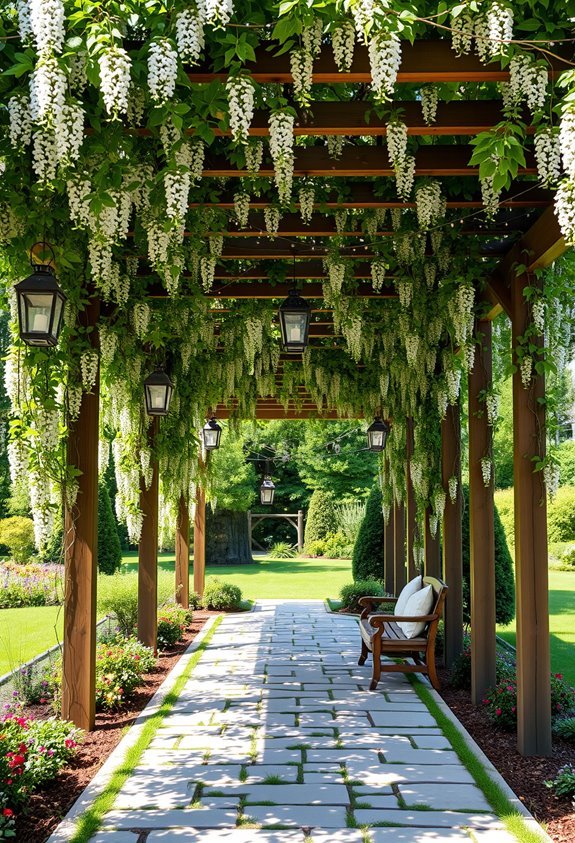
Transform your fence line into a living privacy wall with fast-growing climbing vines like clematis, wisteria, or honeysuckle. These natural screens can cover your fence in just one growing season while adding beautiful flowers and attracting beneficial pollinators. Install a simple trellis or wire support system to help vines climb effectively. Once established, most climbing vines require minimal maintenance, making them perfect for busy homeowners seeking an attractive, eco-friendly privacy solution.
Wildflower Meadow for Effortless Beauty
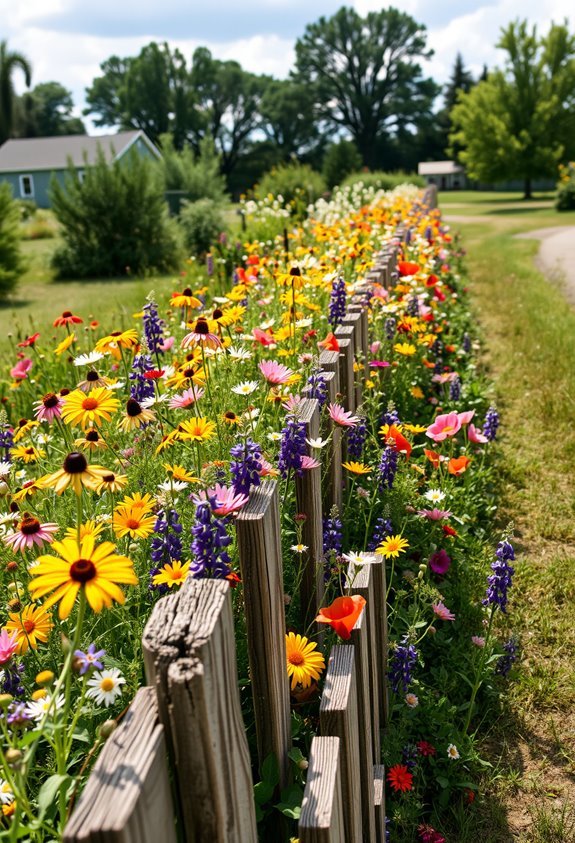
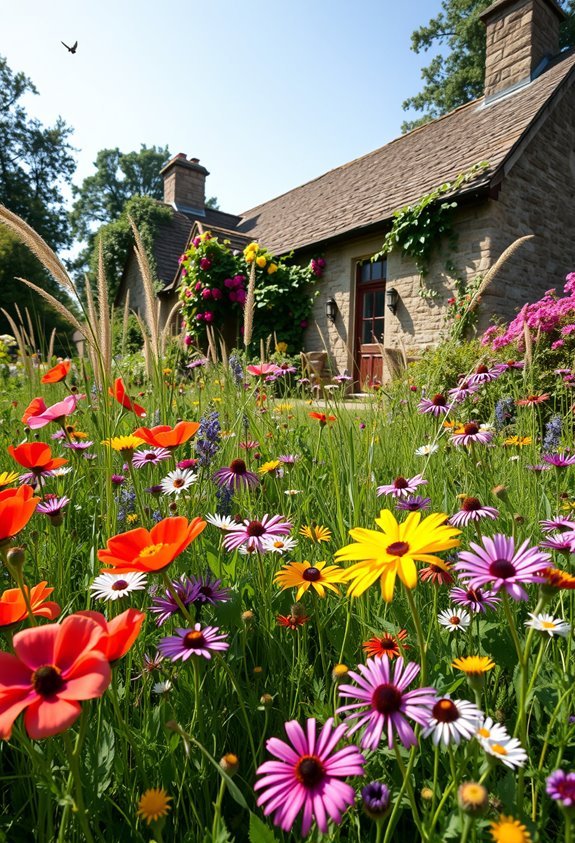
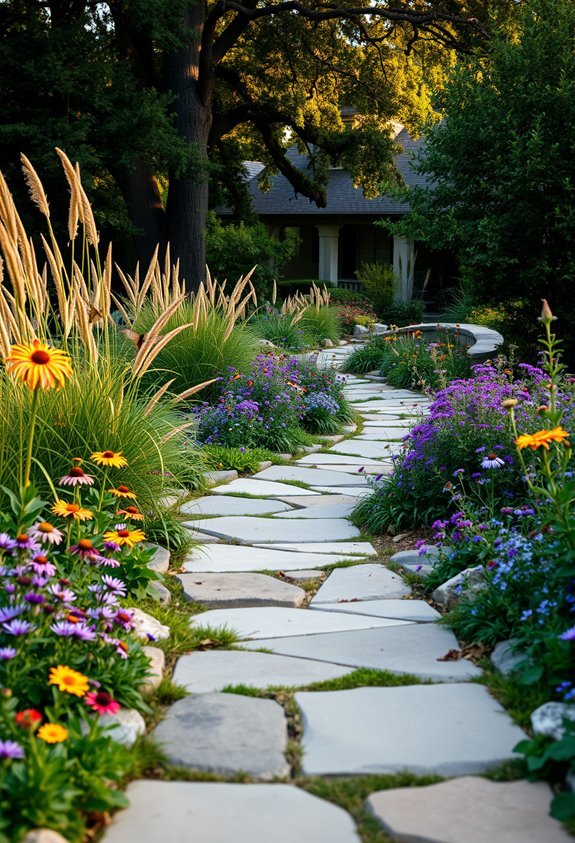
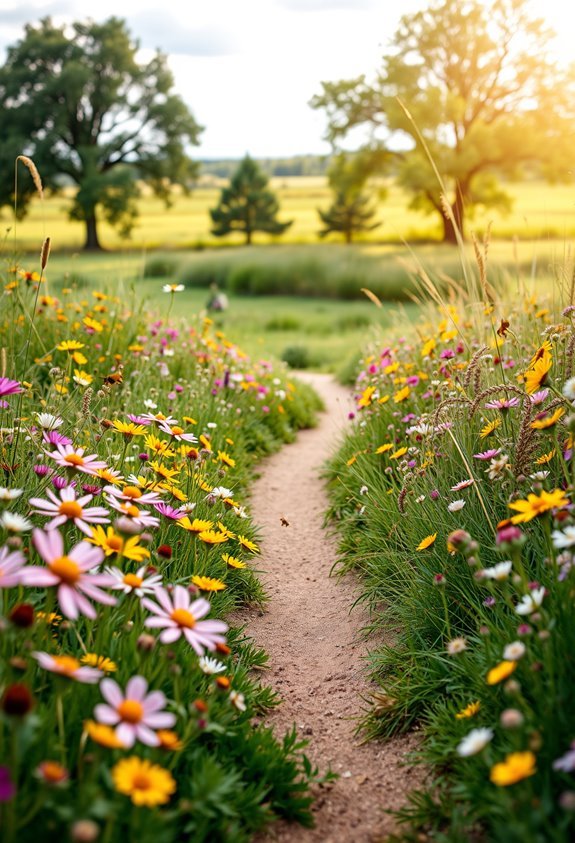
Create a stunning wildflower meadow along your fence line for a low-maintenance garden that bursts with seasonal color. These hardy native plants adapt naturally to your local conditions, requiring minimal watering or fertilization once established. Your meadow will attract beneficial pollinators like bees and butterflies while suppressing weeds through dense growth. Enjoy continuous blooms from spring through fall with this beautiful, eco-friendly landscaping solution.
Zen Garden Elements for Peaceful Ambiance
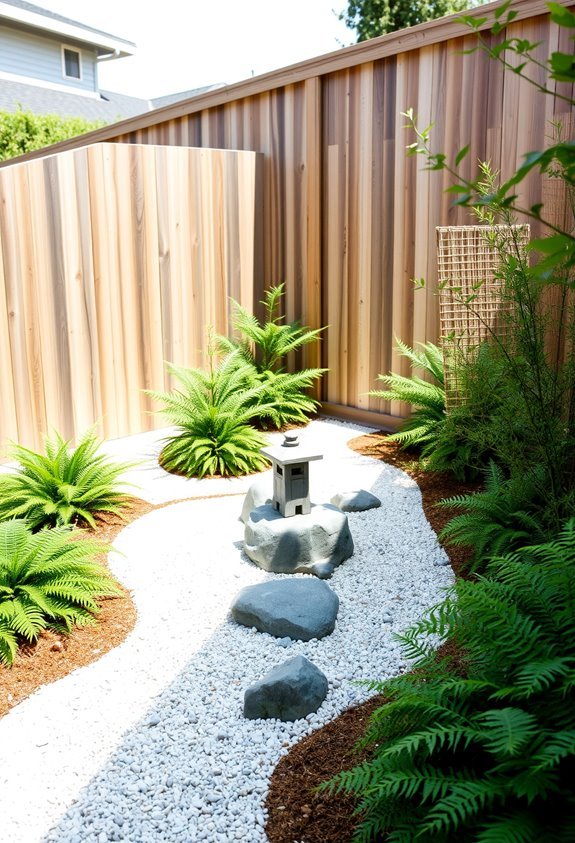
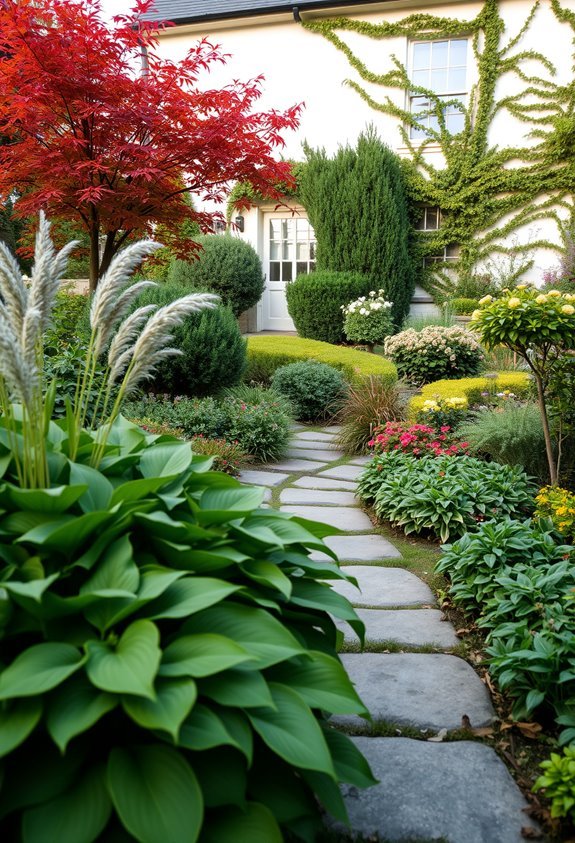
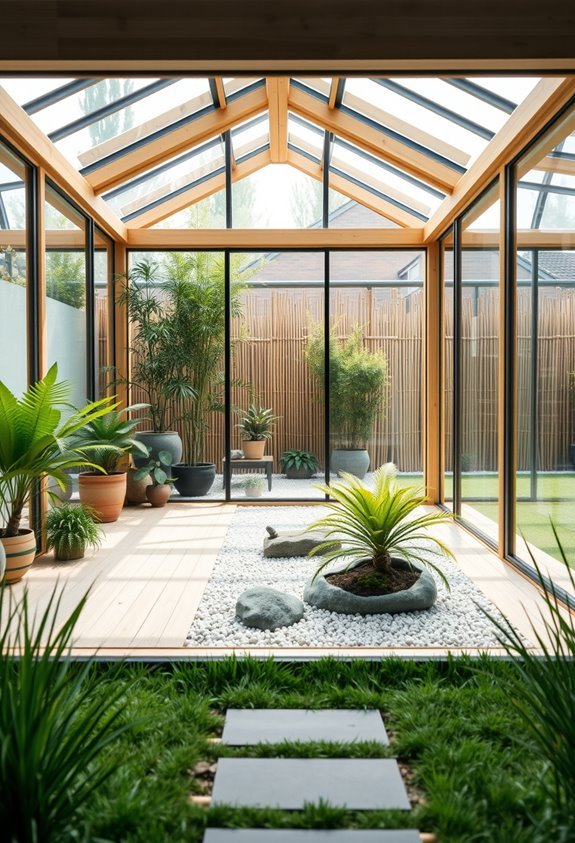
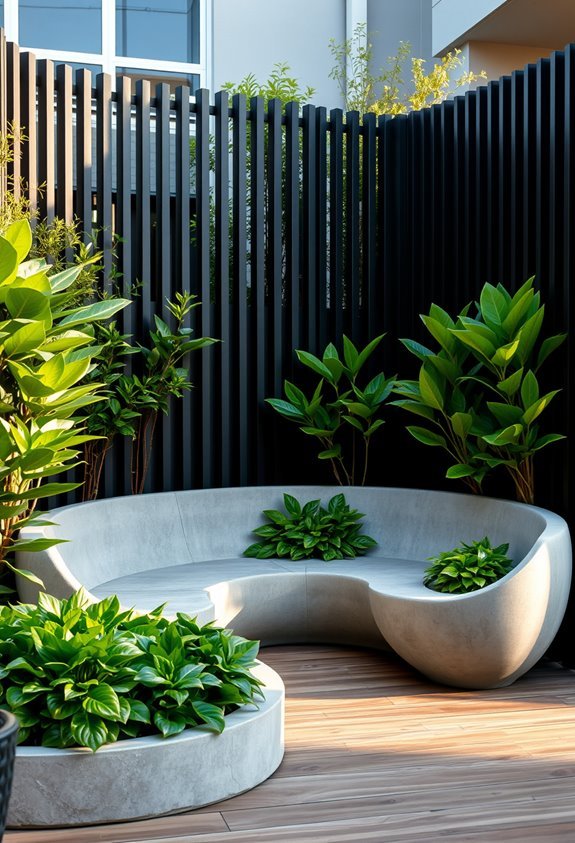
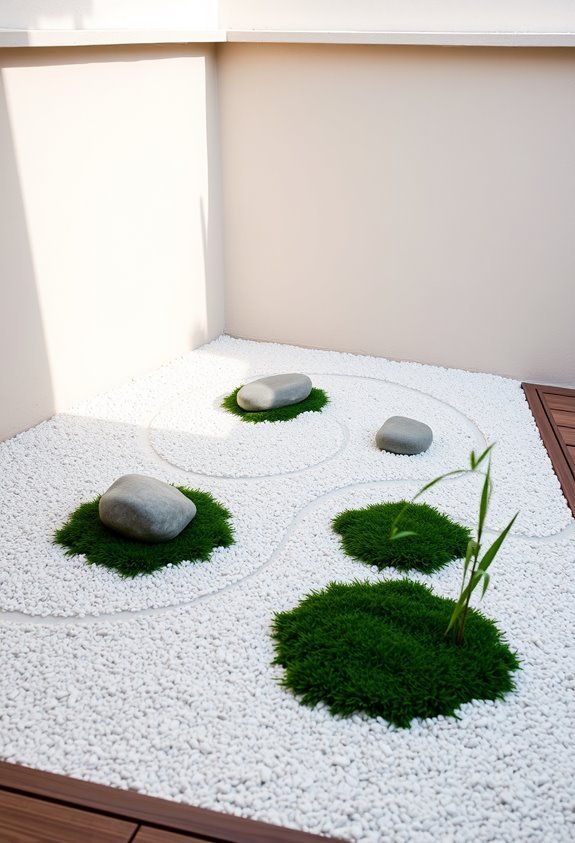
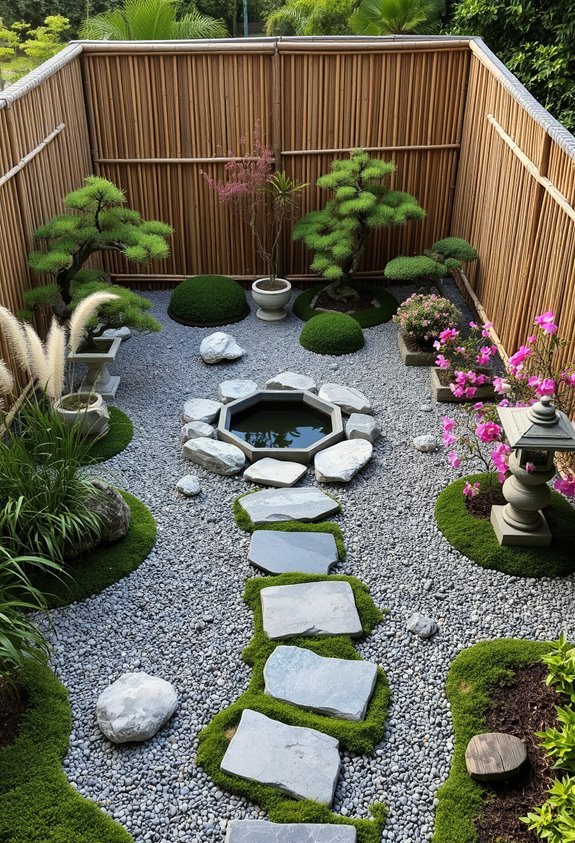
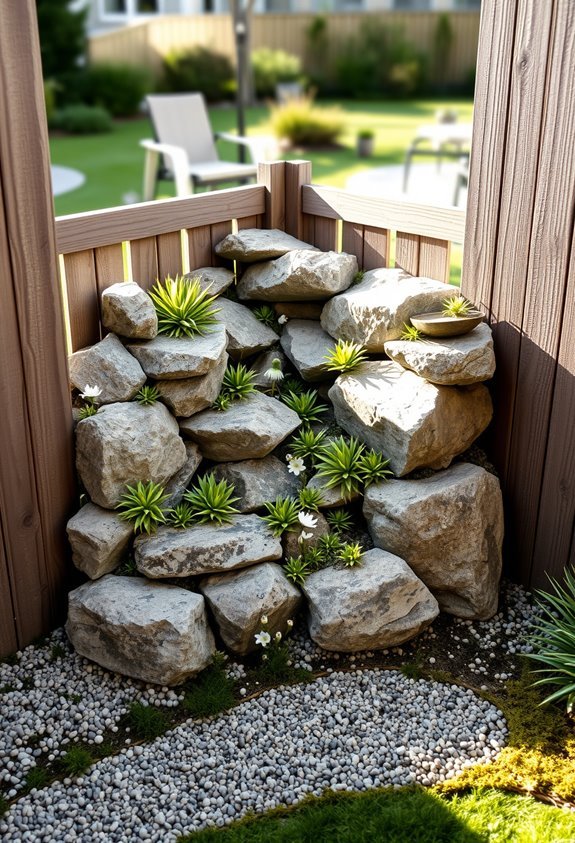
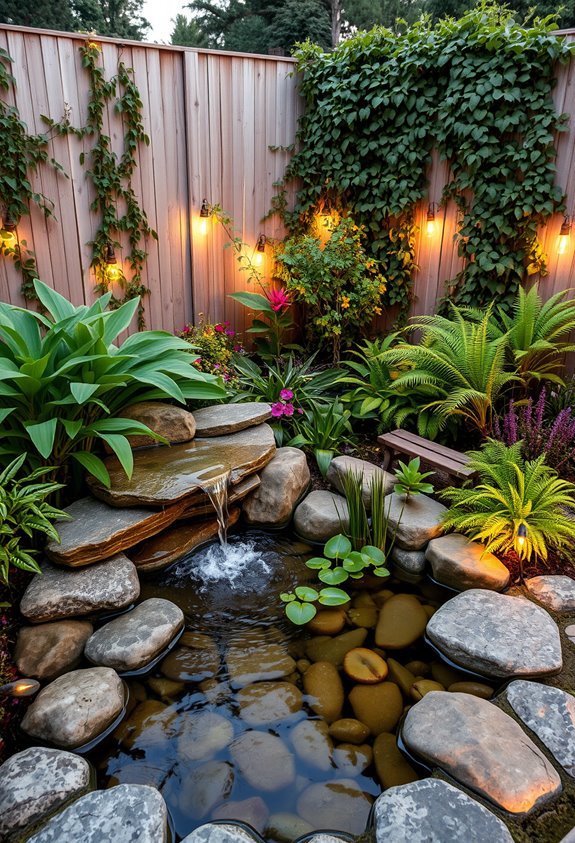
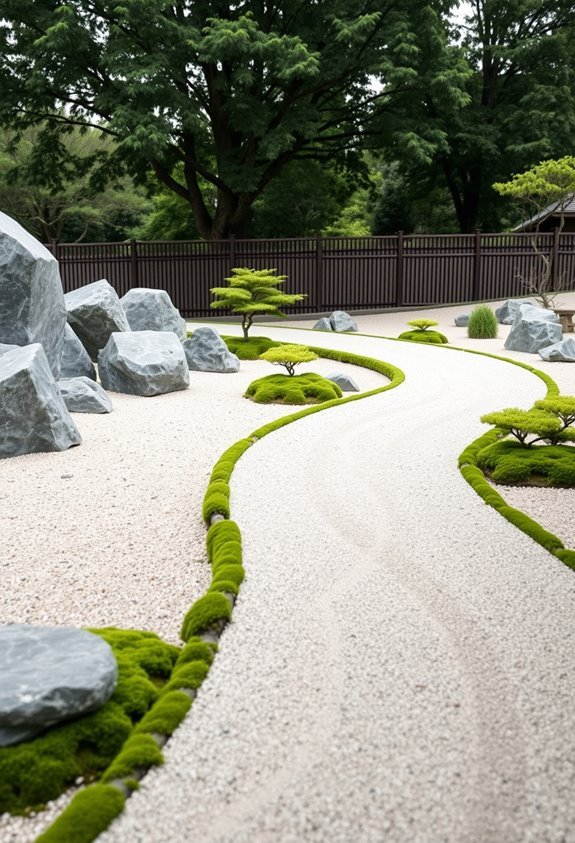
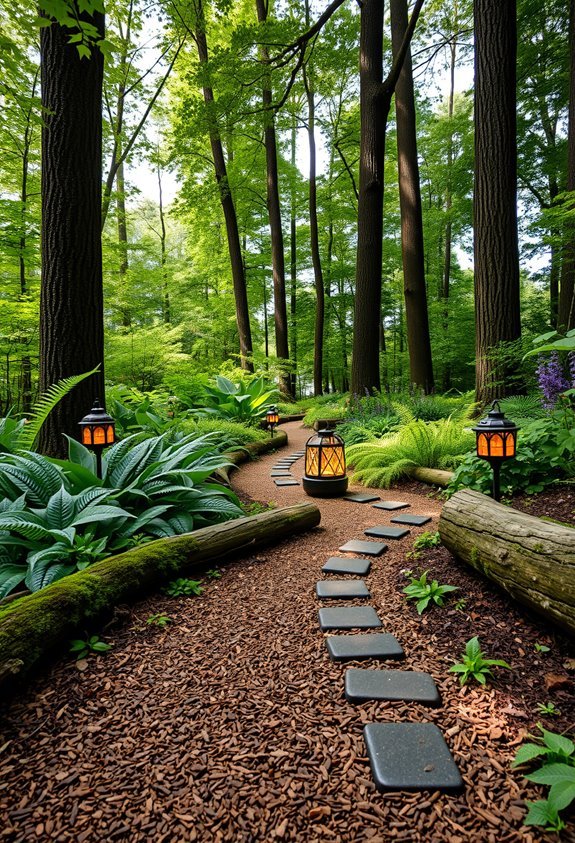
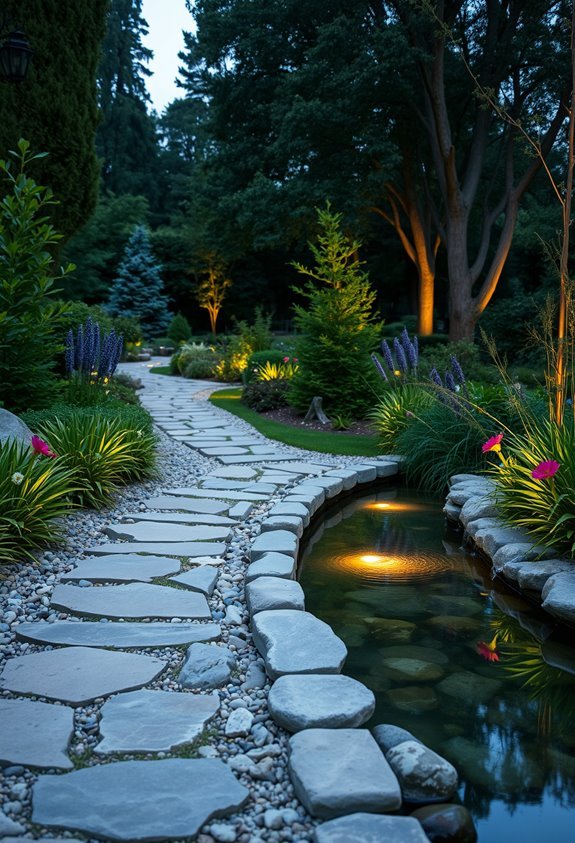
Transform your fence line into a tranquil retreat using Zen garden principles. Add raked gravel or sand sections to represent flowing water, creating visual interest and promoting calm. Place carefully selected stones as focal points to symbolize mountains. Include low-maintenance plants like ferns and hostas for natural texture. Incorporate bamboo screens or stone lanterns to enhance the peaceful, minimalist aesthetic while maintaining perfect harmony.
Fruit Trees That Double as Living Fences
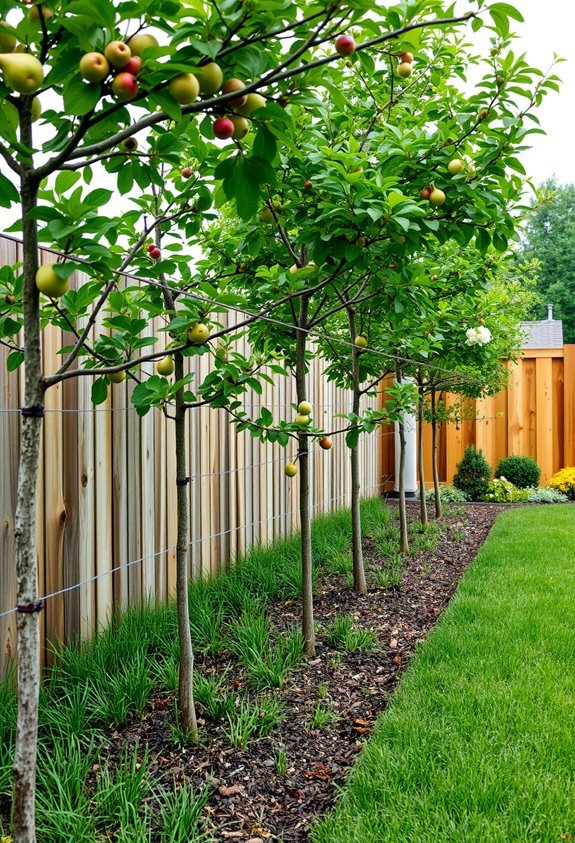
Transform your fence line into a productive boundary by planting fruit trees that serve double duty as natural barriers. Apple, pear, and cherry trees create beautiful living fences while providing fresh harvests. These trees attract beneficial pollinators, reduce wind exposure, and offer seasonal beauty with spring blooms and colorful foliage. Consider espaliered varieties that grow flat against existing fences, maximizing space while making harvesting simple and maintenance manageable.
Vertical Planters to Maximize Small Spaces
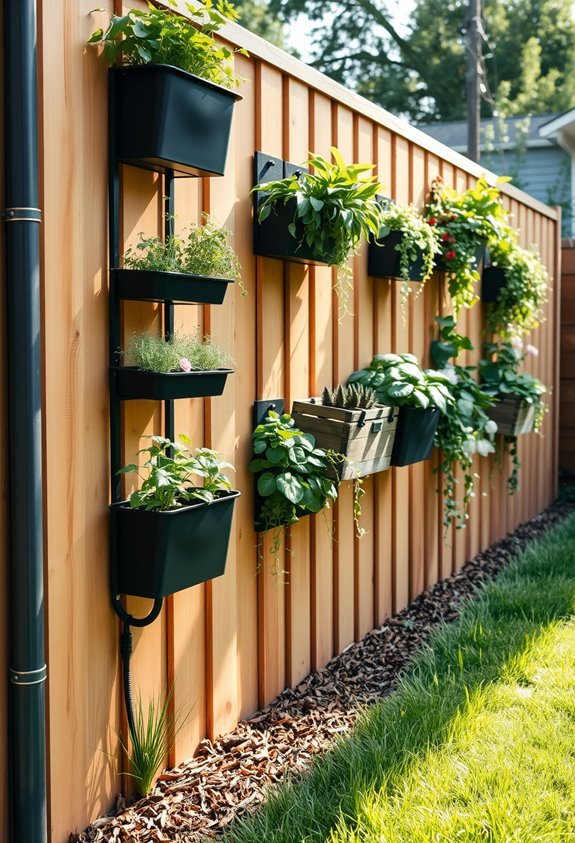
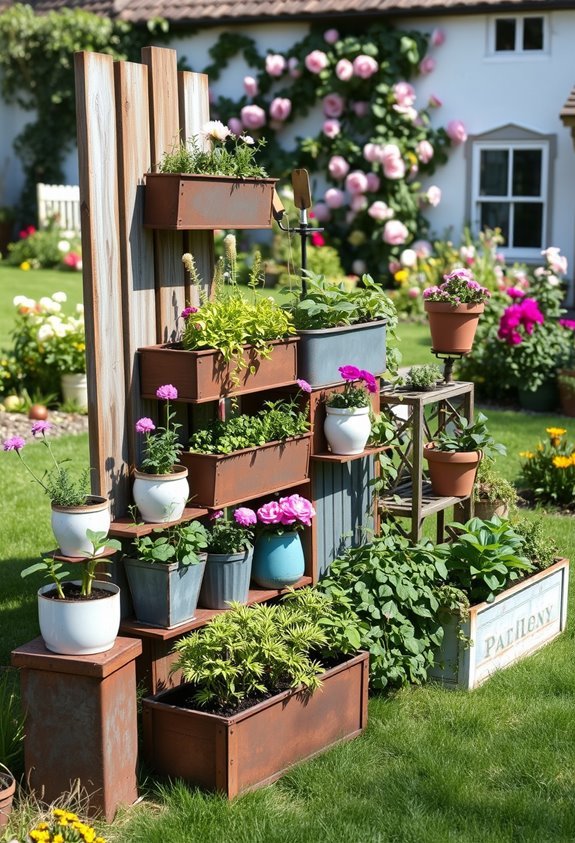
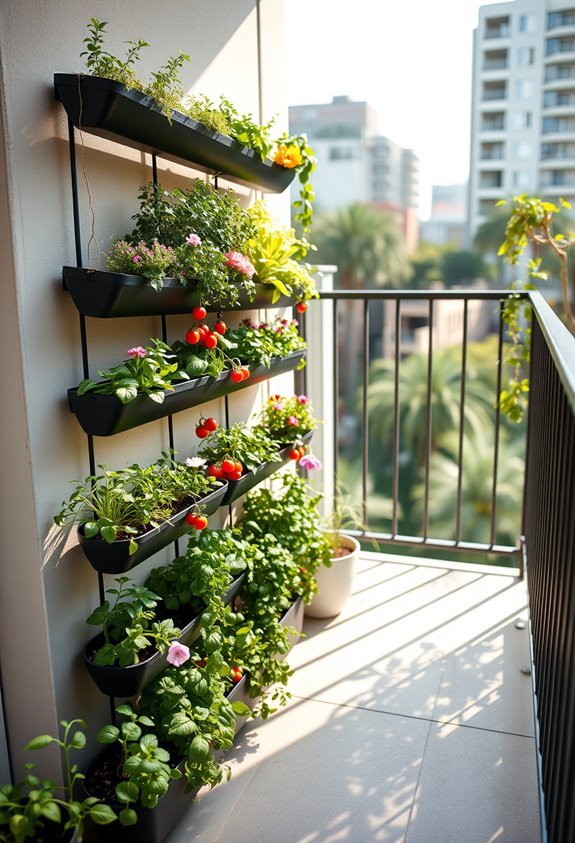
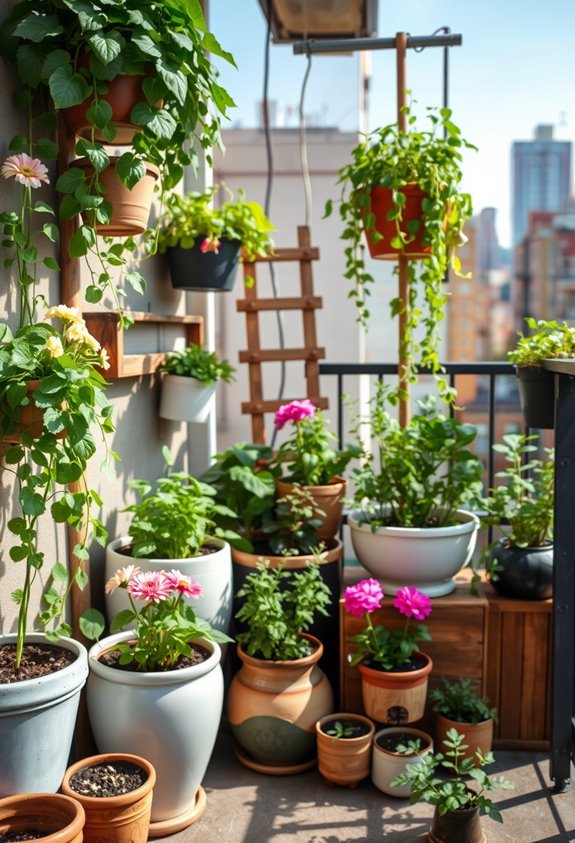
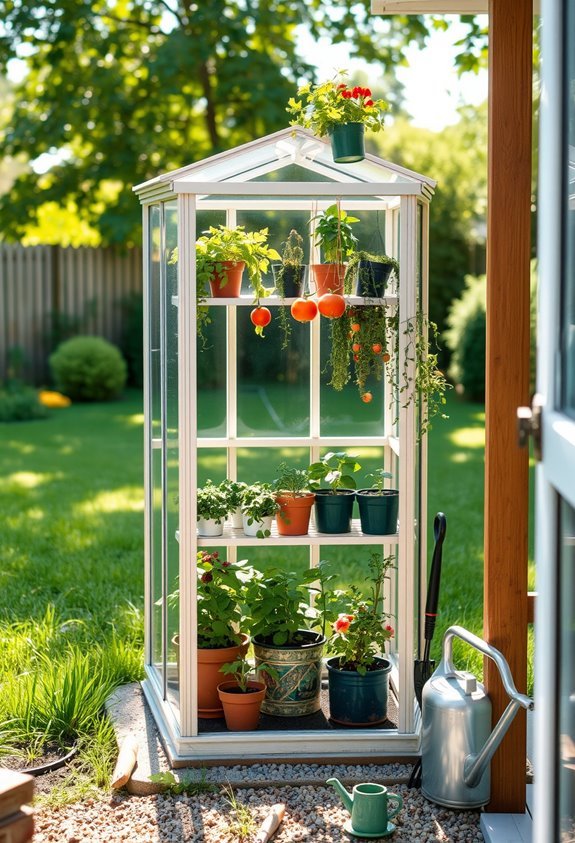
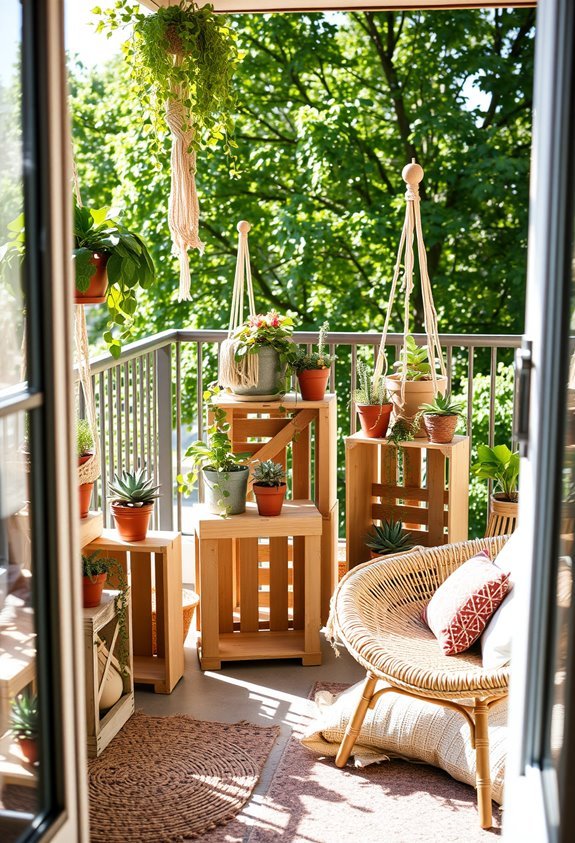
Vertical planters transform narrow fence lines into productive growing spaces perfect for herbs, flowers, and leafy greens. These space-saving solutions work as wall-mounted systems against existing fences or as freestanding structures. They improve air circulation and sunlight exposure for healthier plants while often including efficient drip irrigation. A single square foot of vertical space can produce yields equivalent to several square feet of traditional garden beds.
Decorative Gravel Pathways With Border Plants
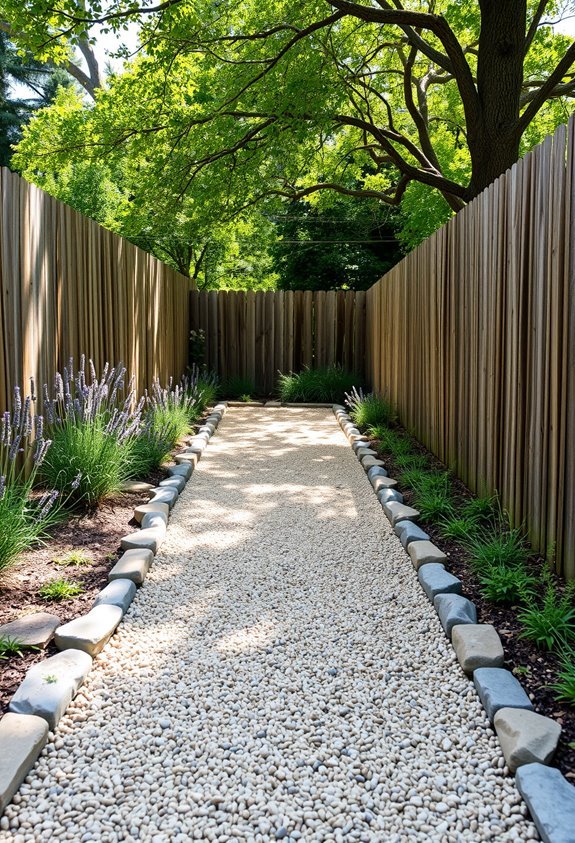
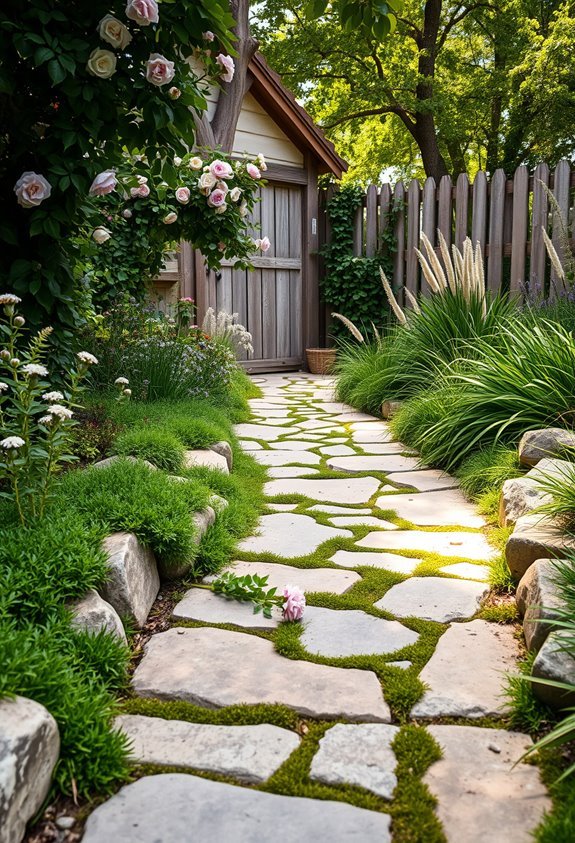
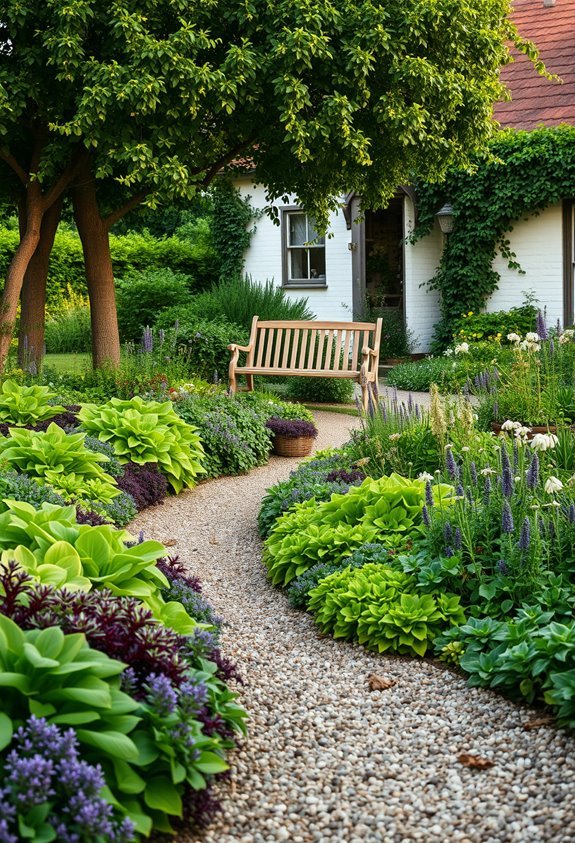
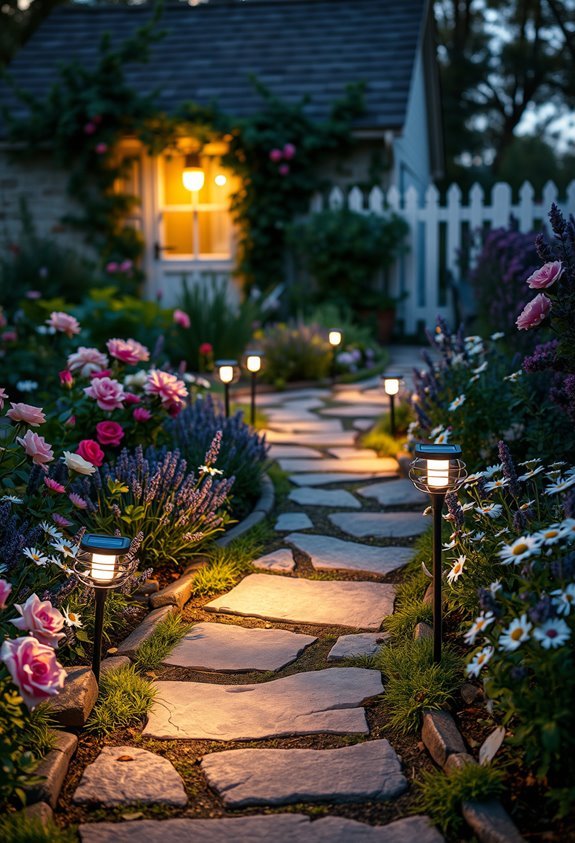
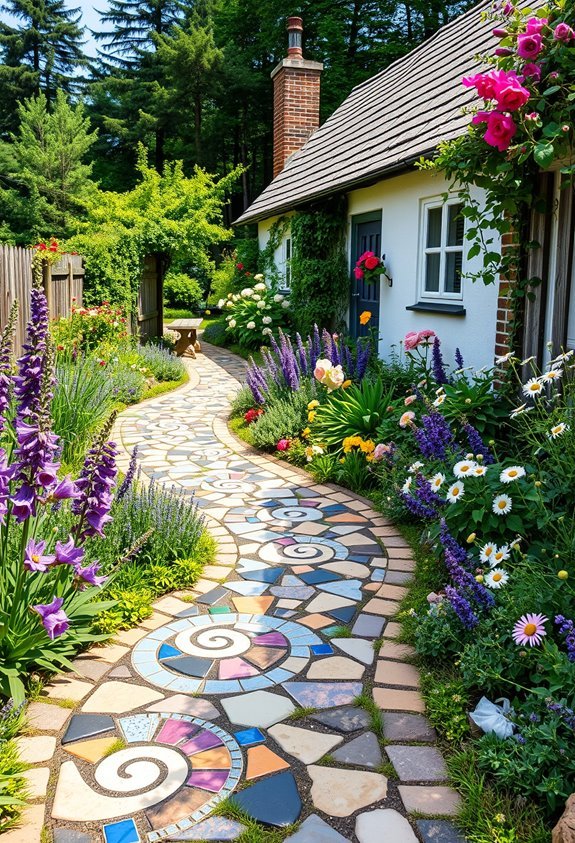
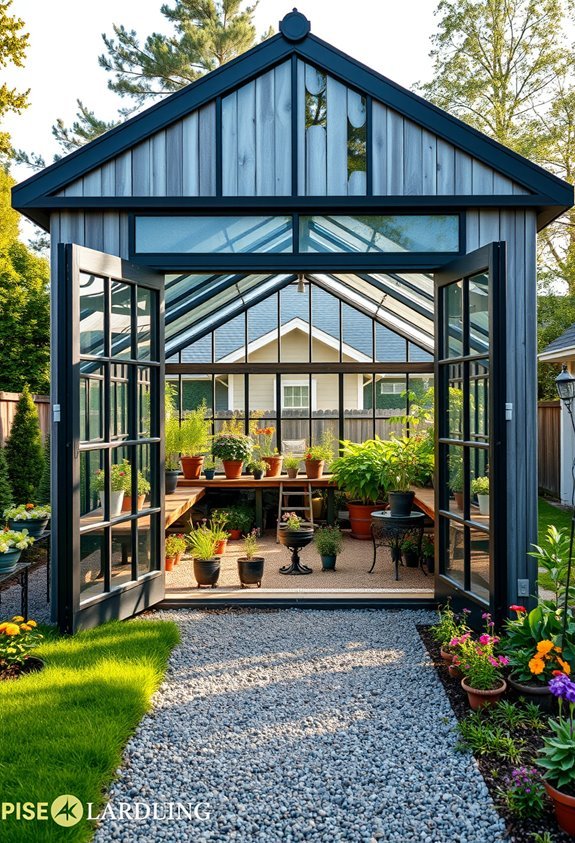
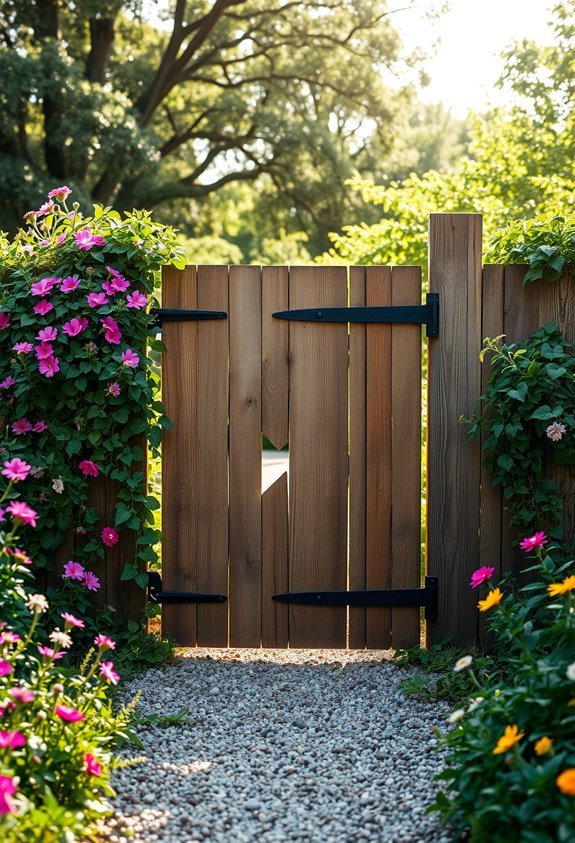
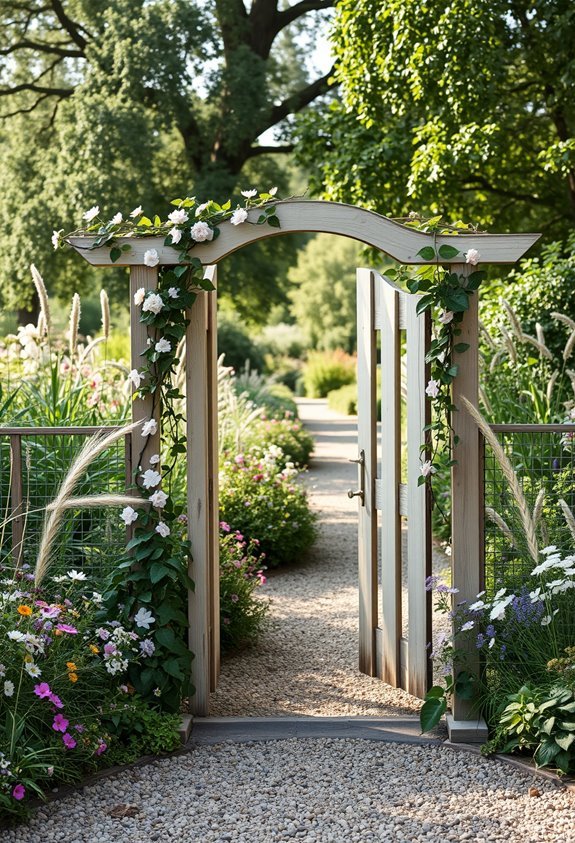
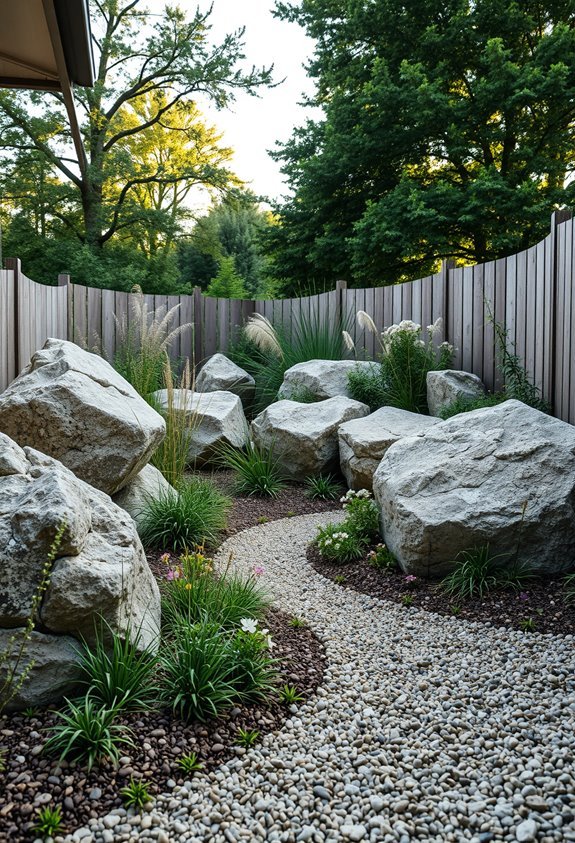
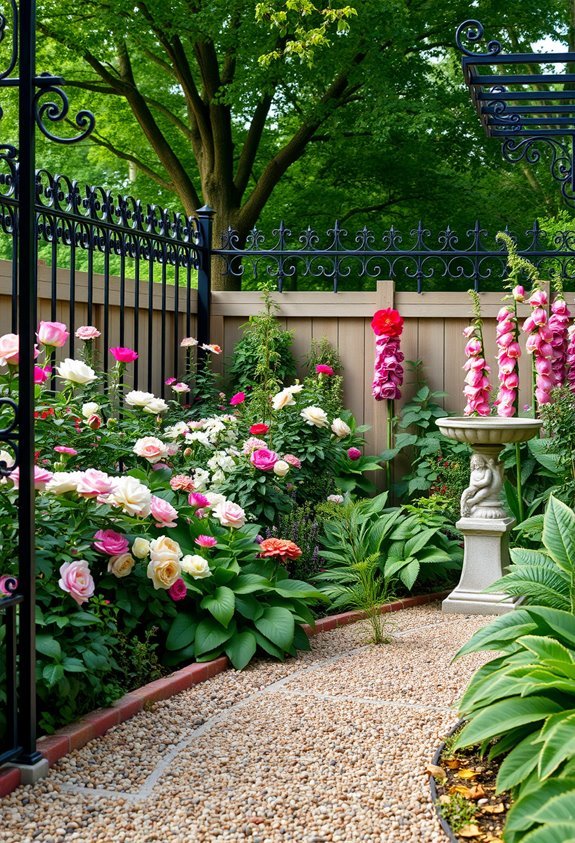
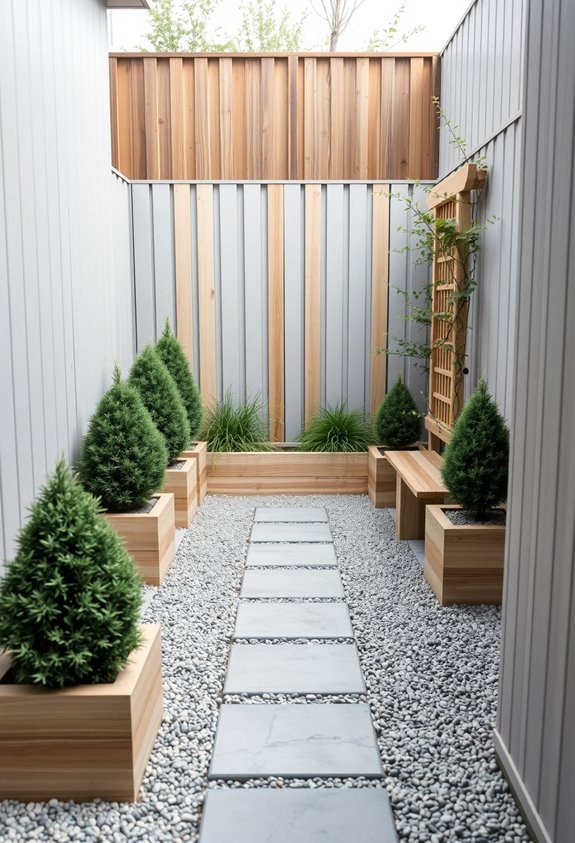
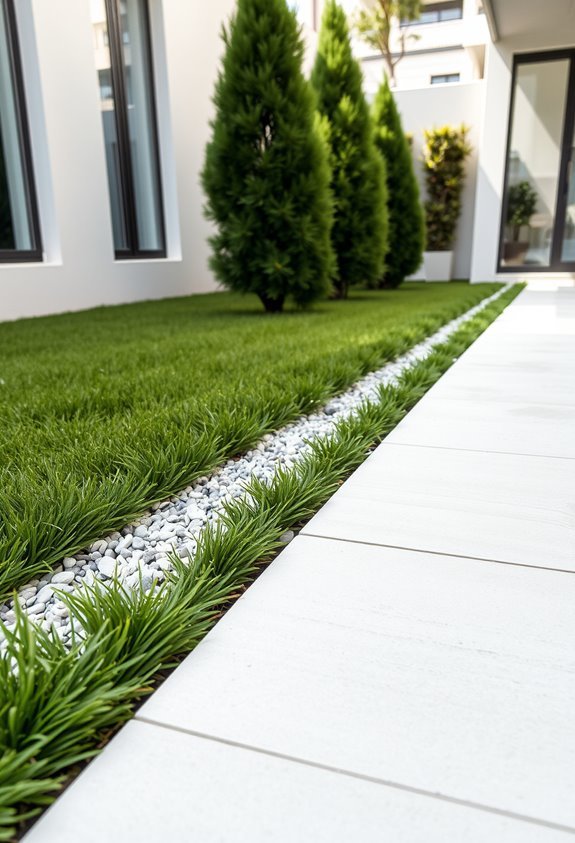
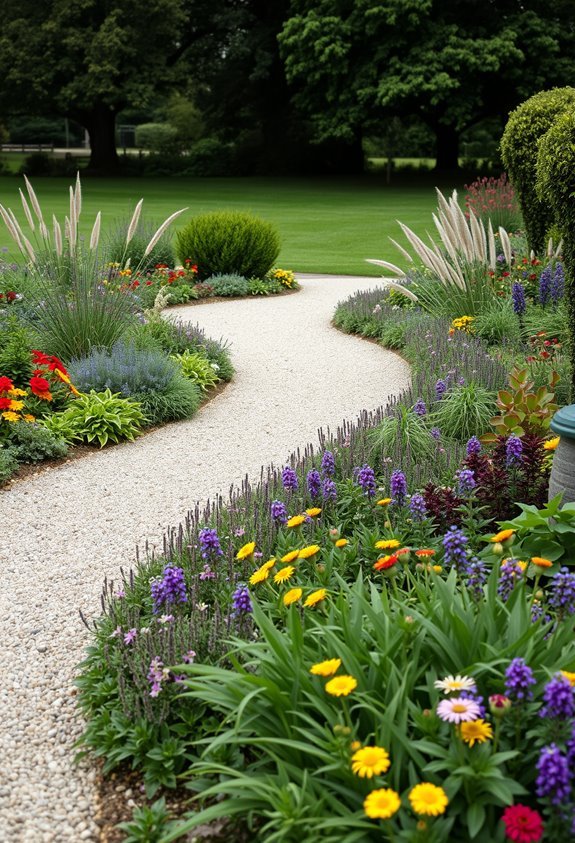
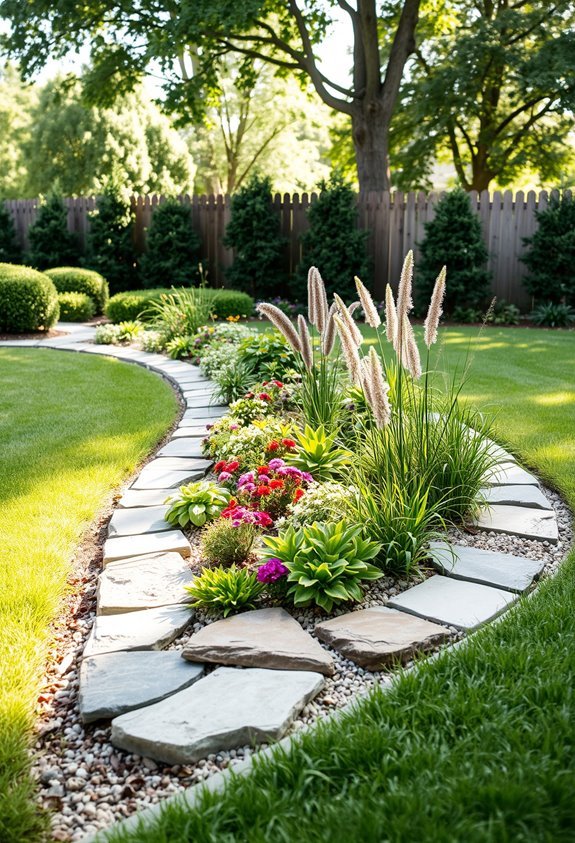
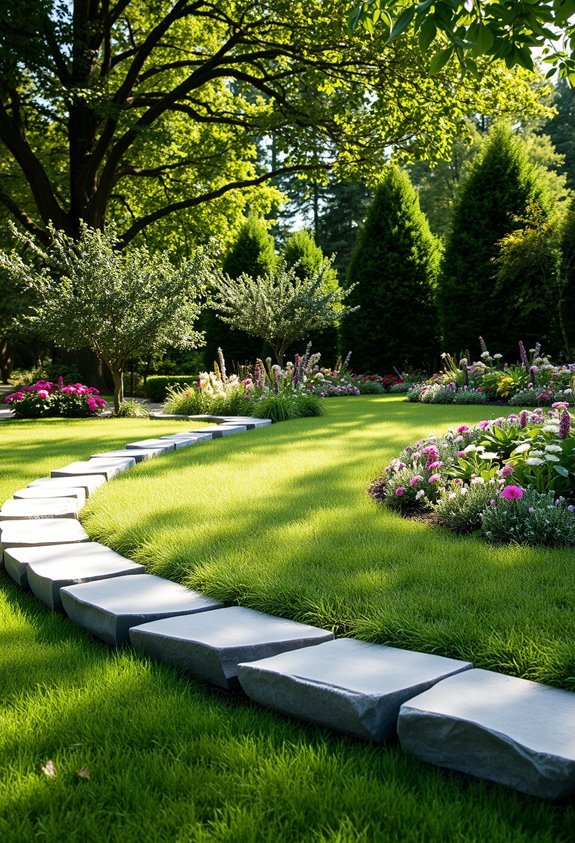
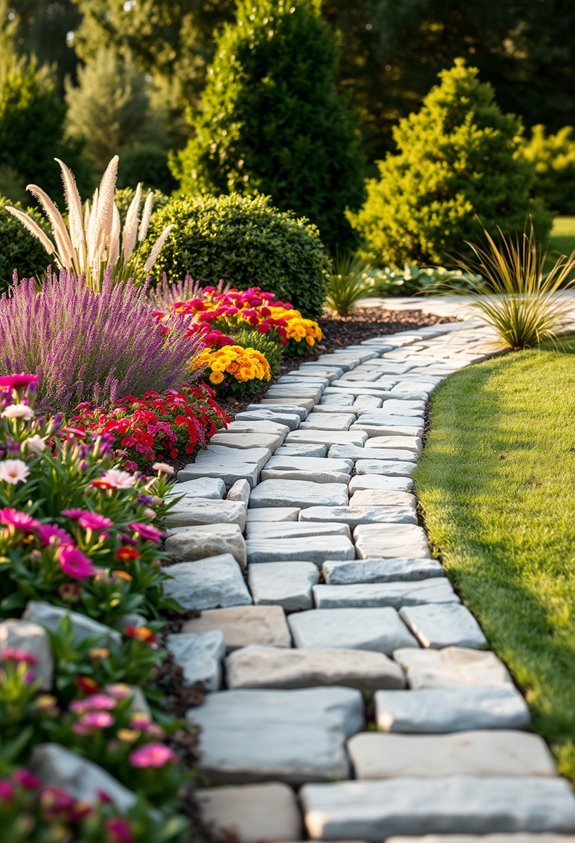
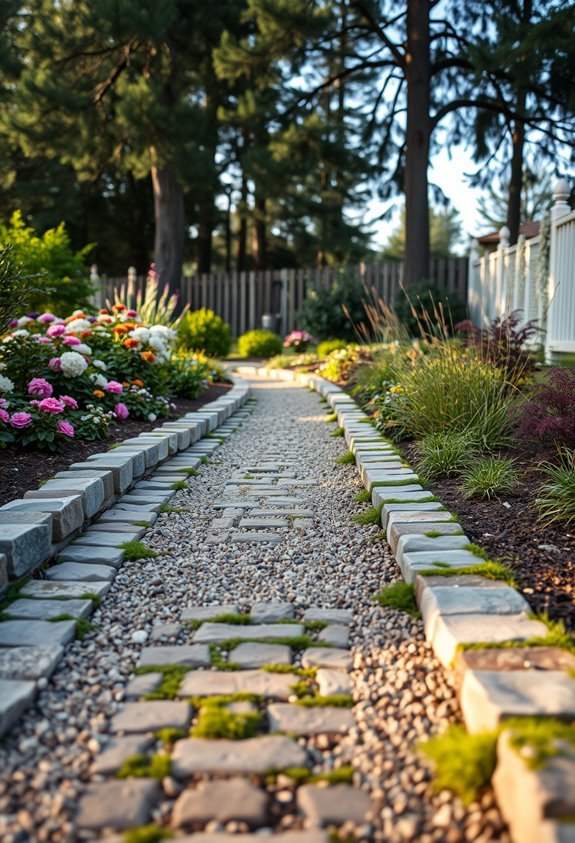
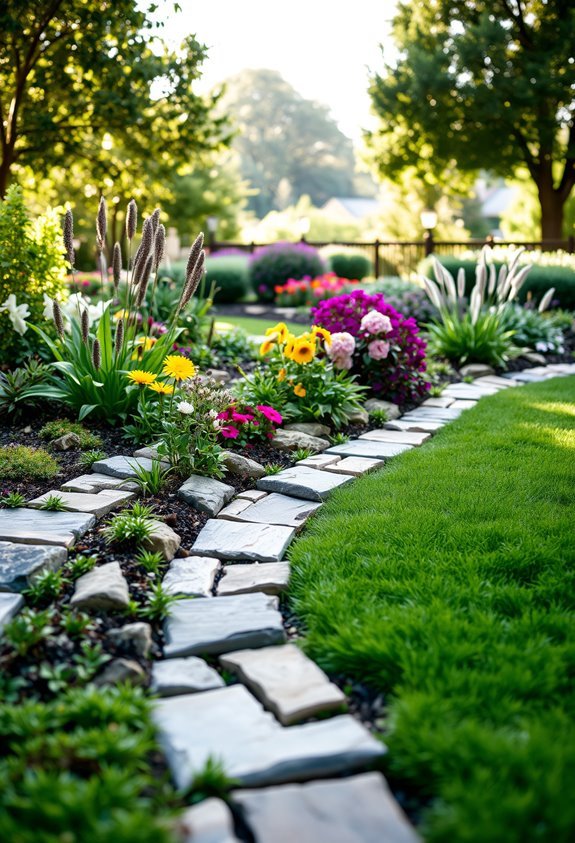
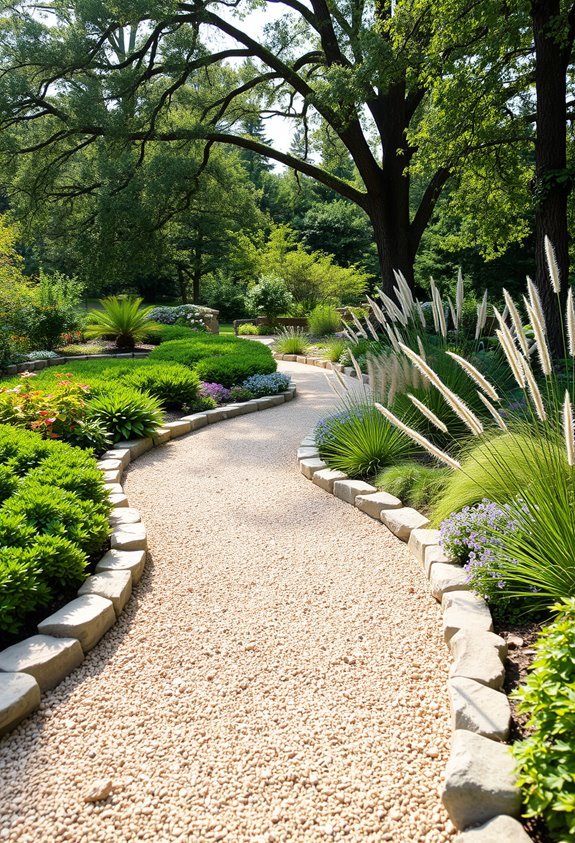
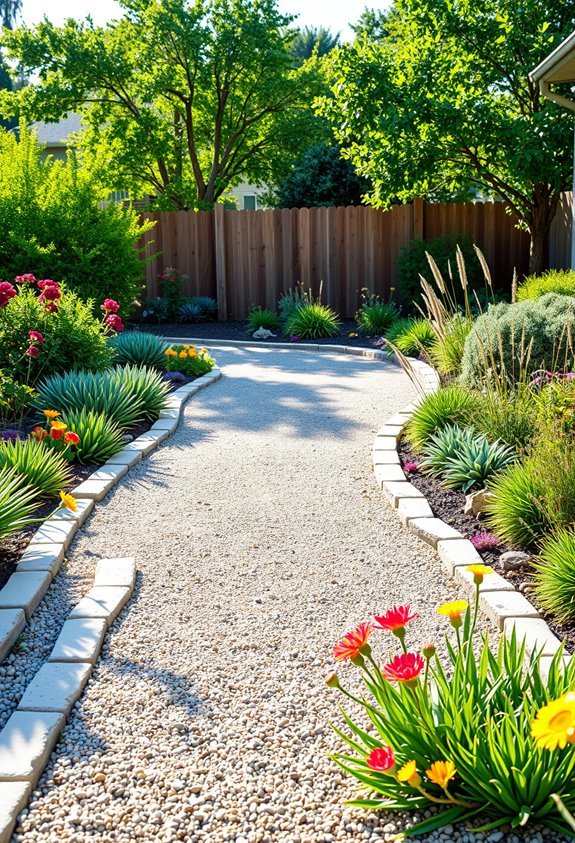
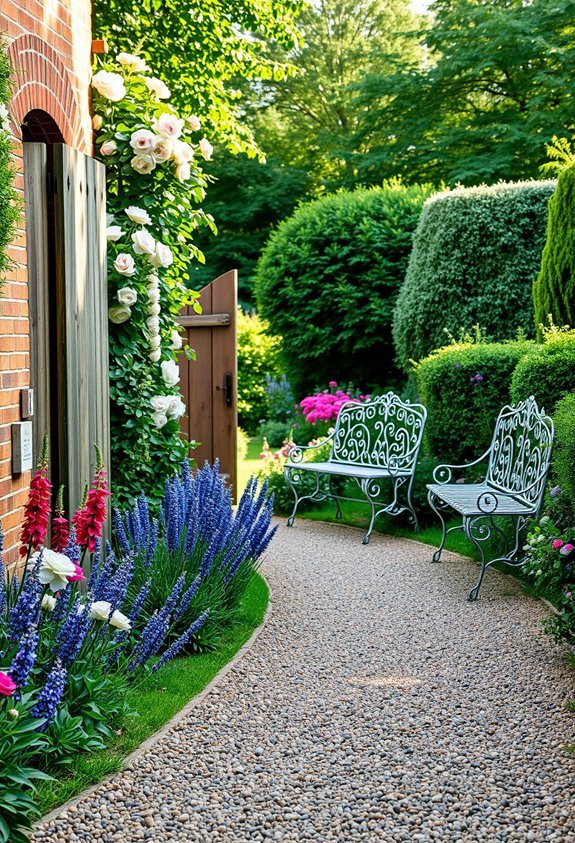
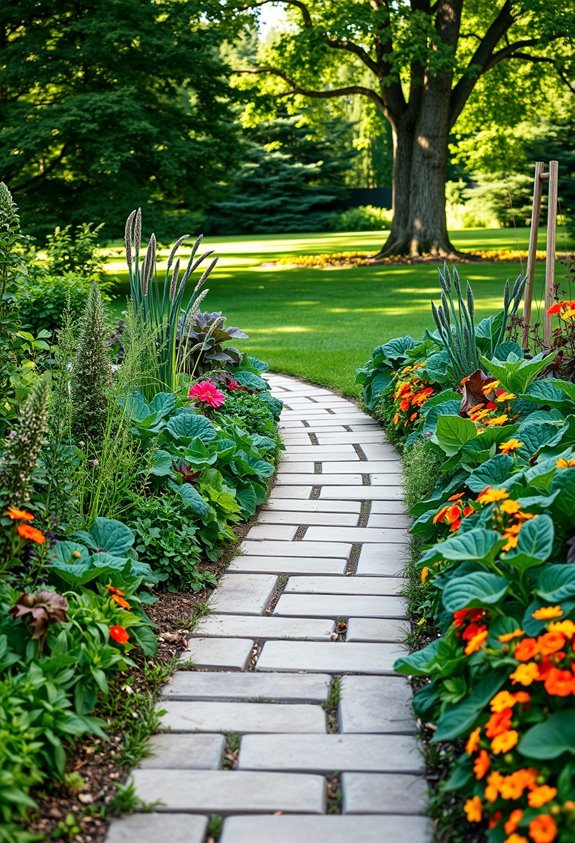
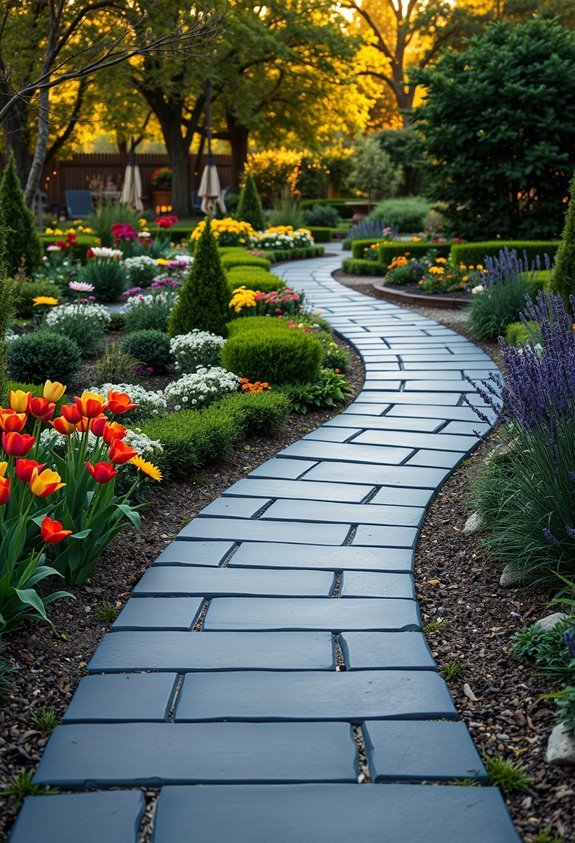
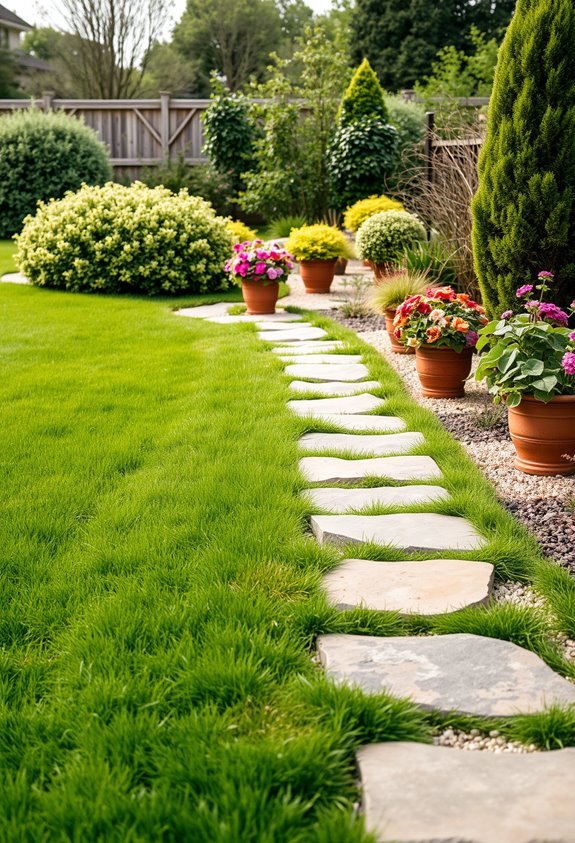
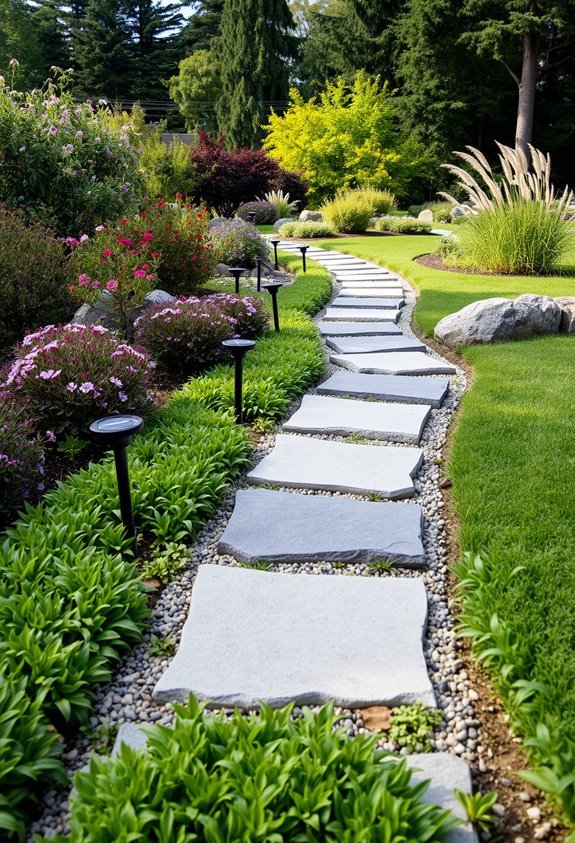
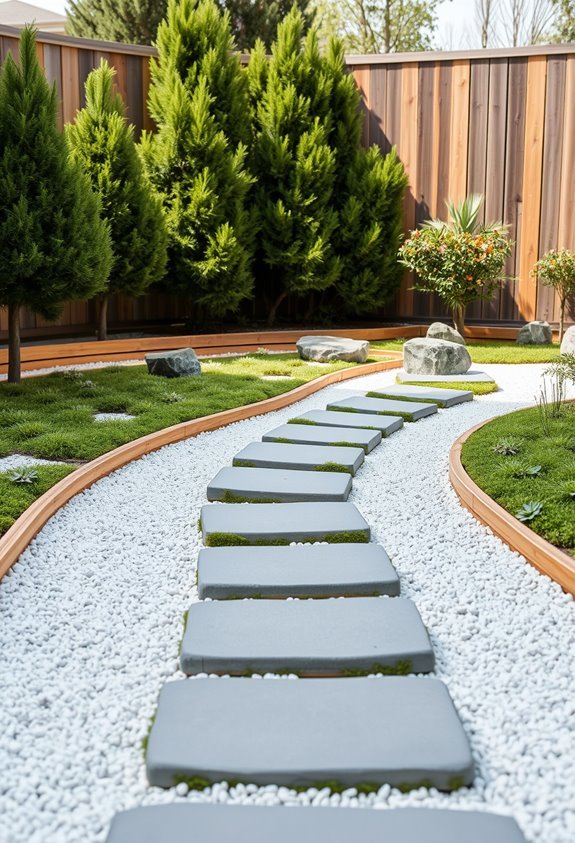
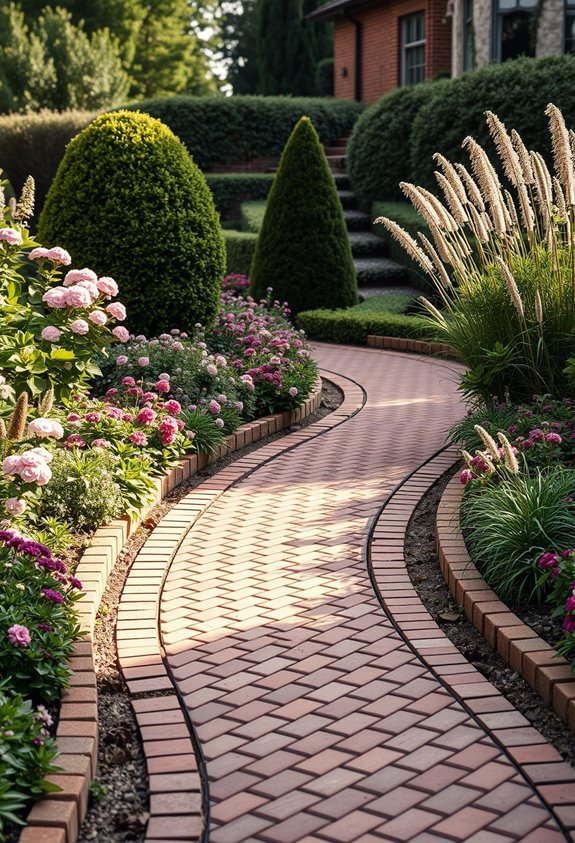
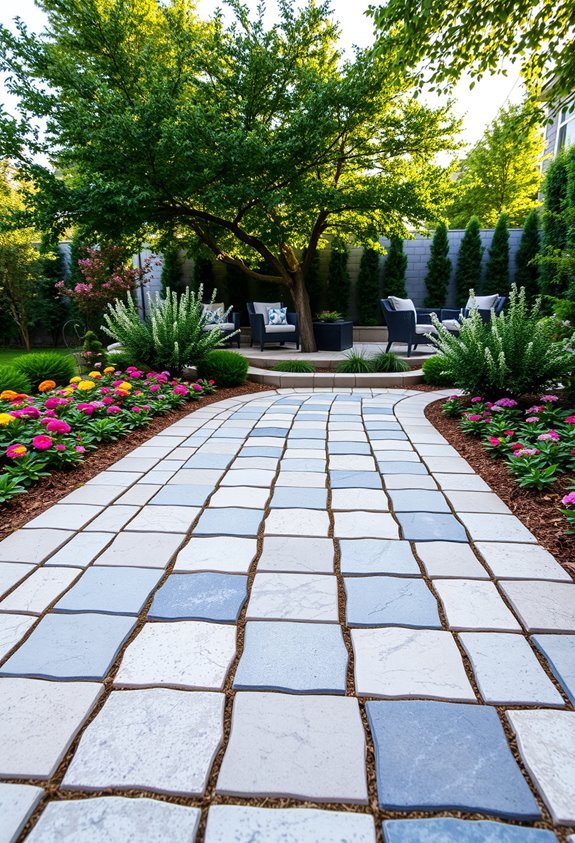
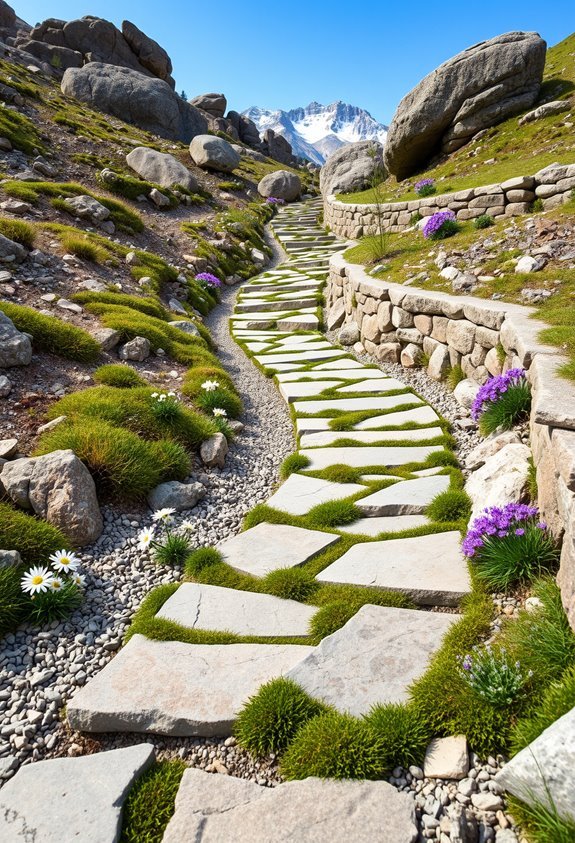
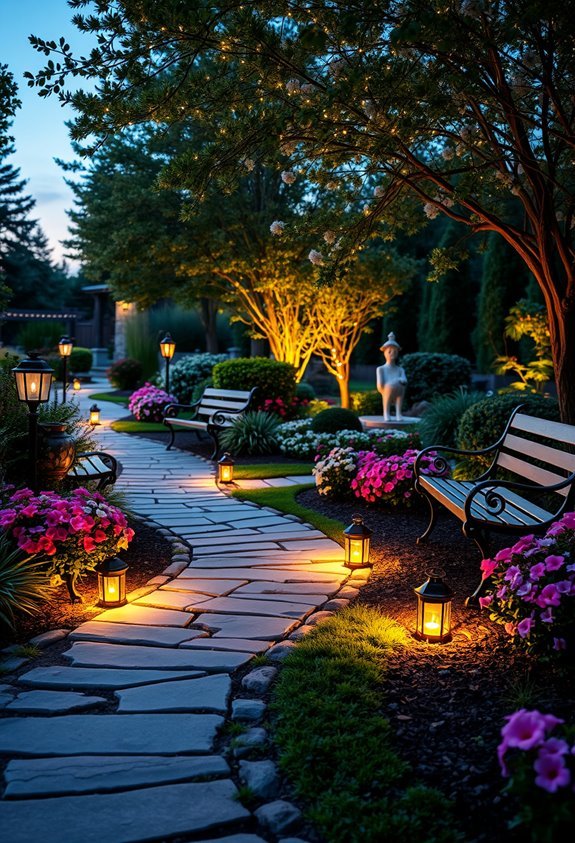
Decorative gravel pathways create beautiful walkways along fence lines while offering practical benefits. The gravel provides excellent drainage and can be customized with different colors and sizes to match your garden style. Border these paths with low-growing flowers, herbs, or colorful plants to add texture and attract beneficial pollinators. This combination creates a cohesive, well-planned garden design that connects different areas while providing functional access through your outdoor space.
Cascading Hanging Baskets for Vertical Interest
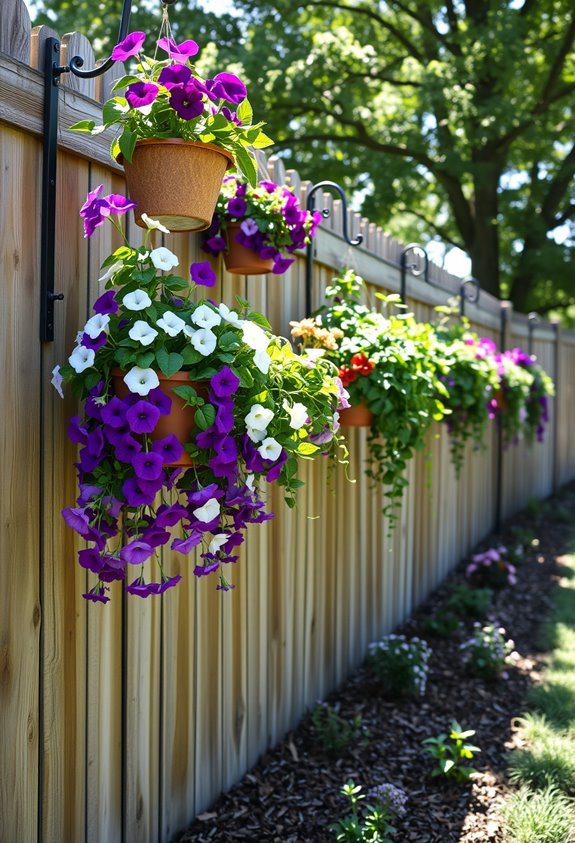
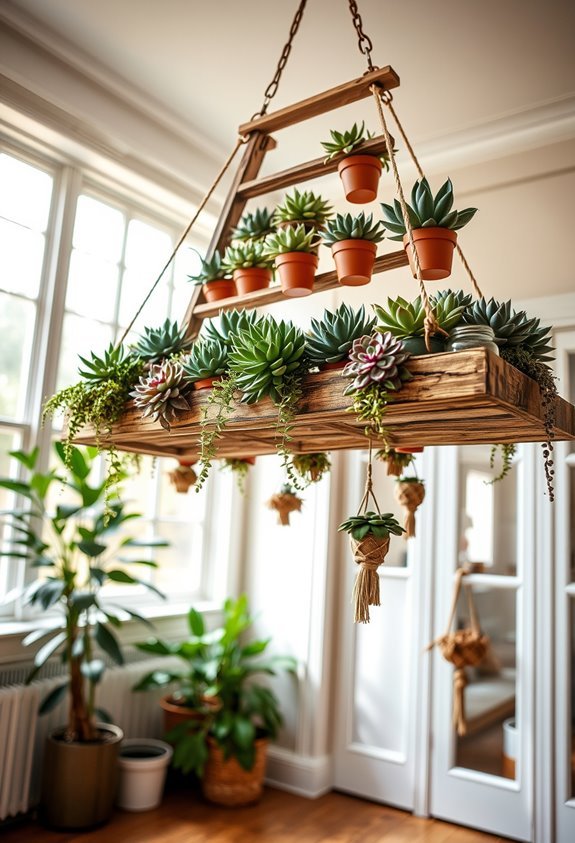
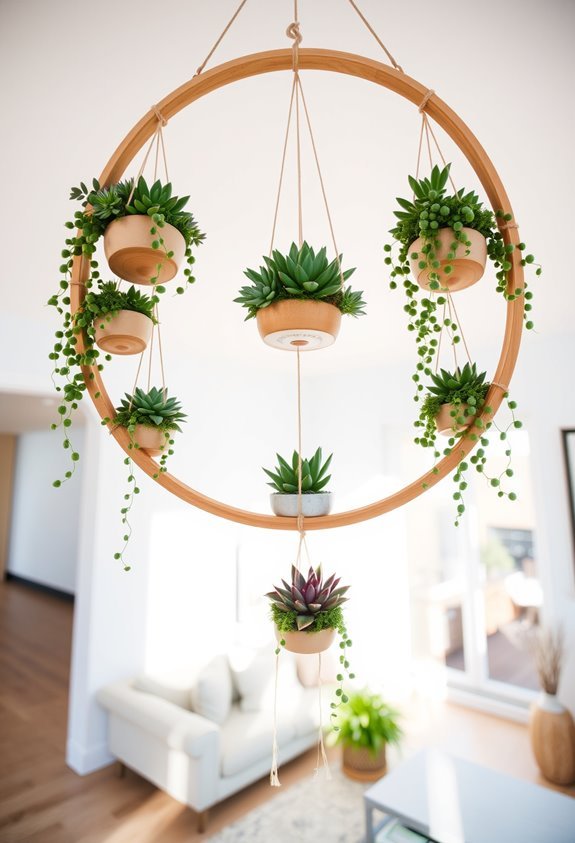
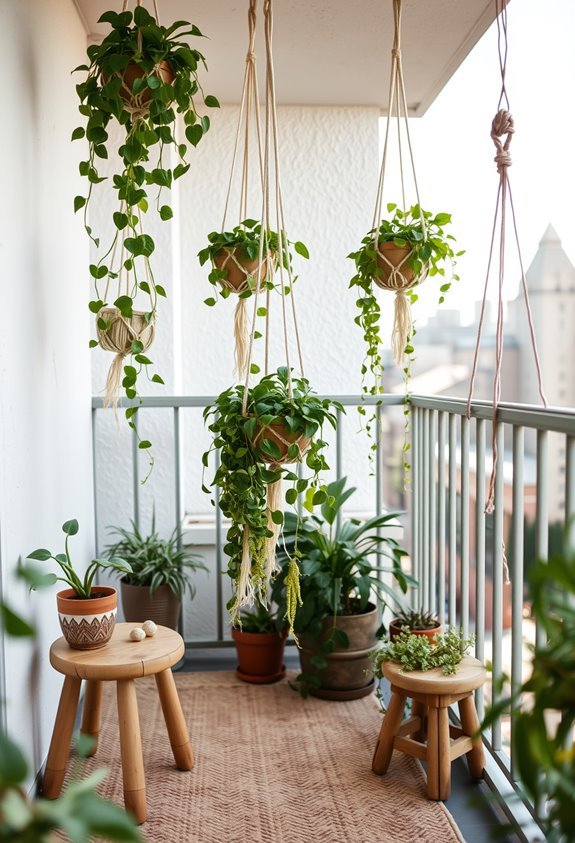
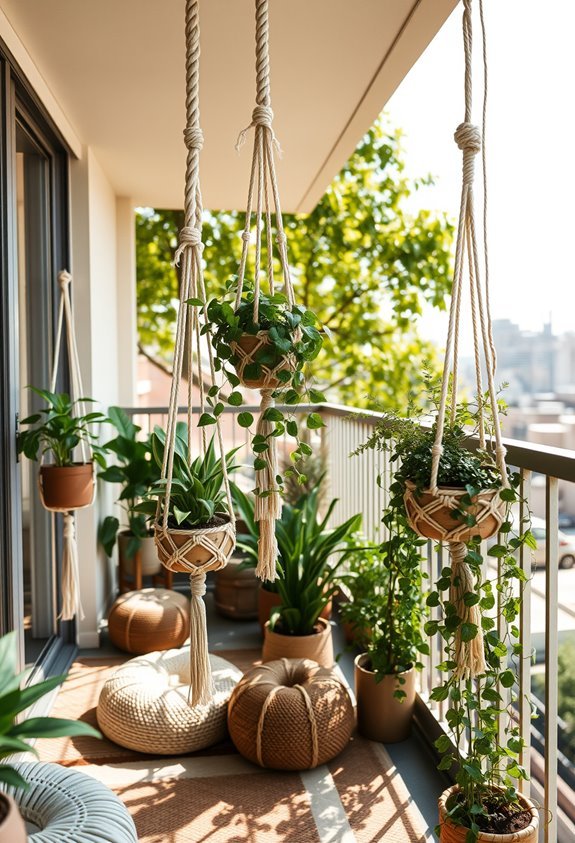
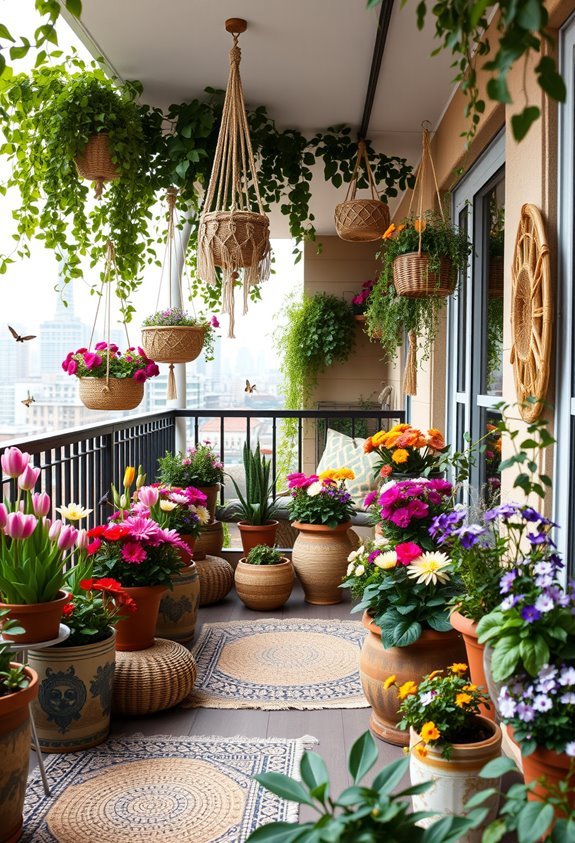
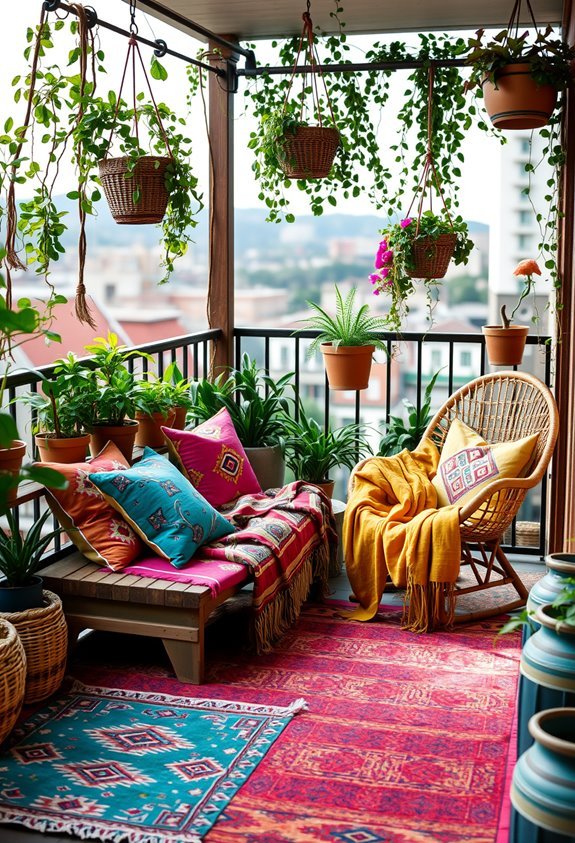
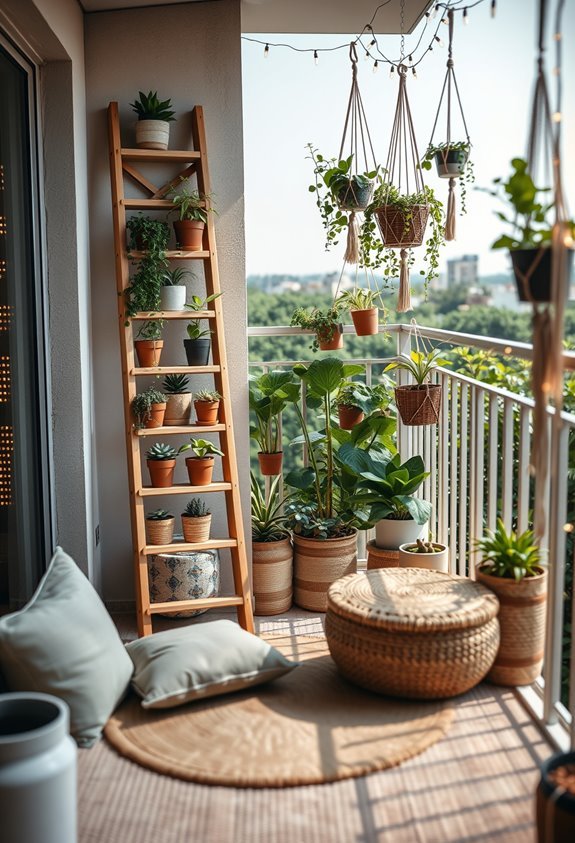
Cascading hanging baskets transform your fence line into a stunning vertical garden that maximizes planting space in small areas. Position baskets at different heights to create beautiful layered displays using trailing vines, colorful flowers, or fresh herbs. This approach allows for creative plant combinations and easy seasonal changes. With proper watering and fertilization, these elevated gardens will provide vibrant color and visual interest throughout the growing season.
Seasonal Color Rotation Throughout the Year
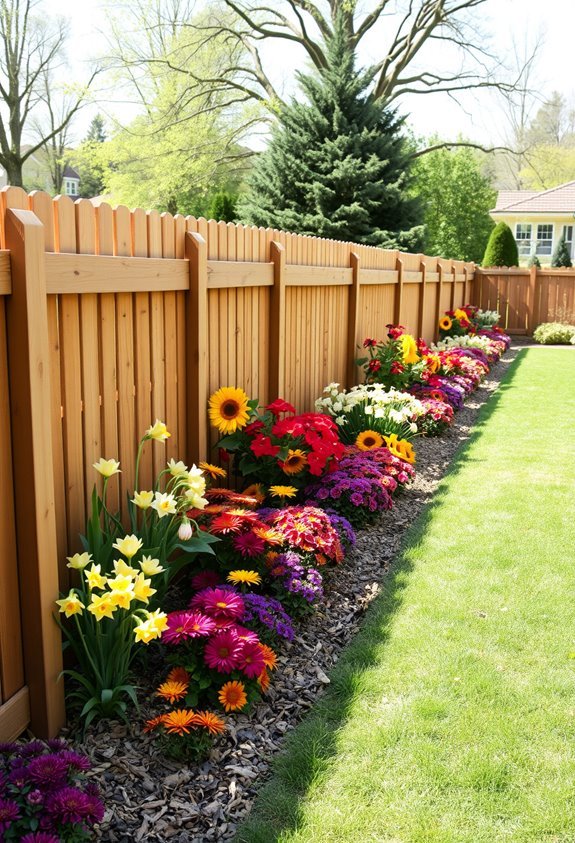
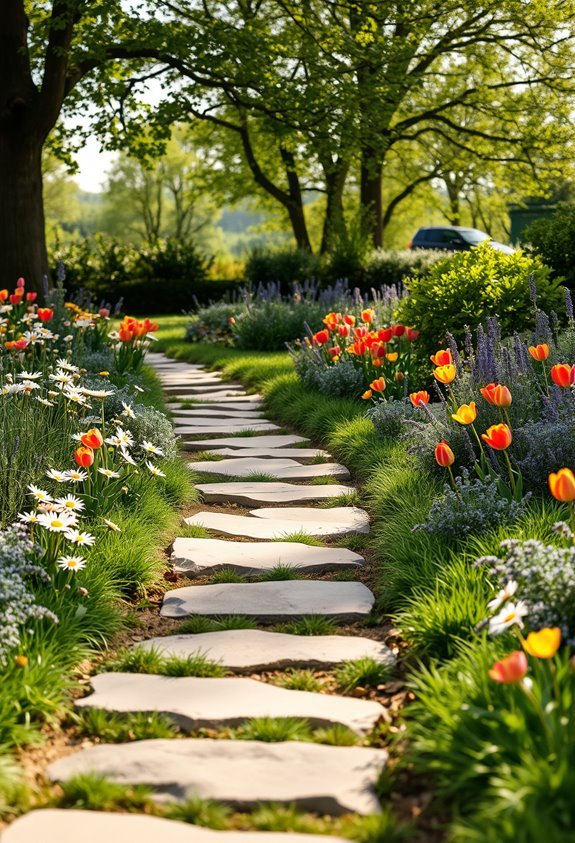
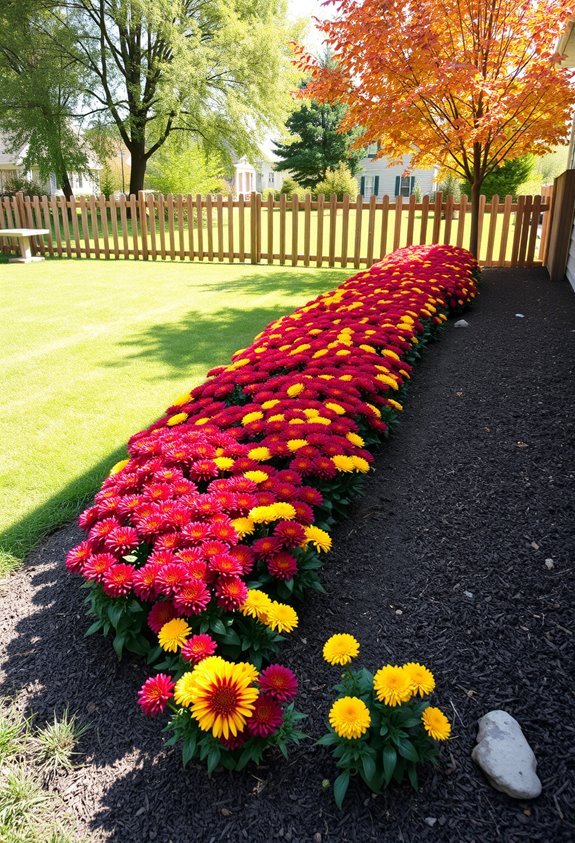
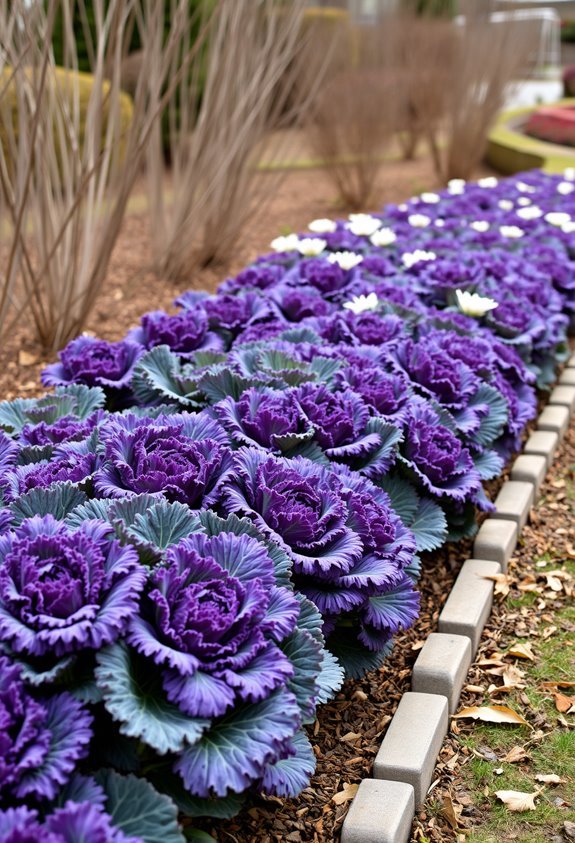
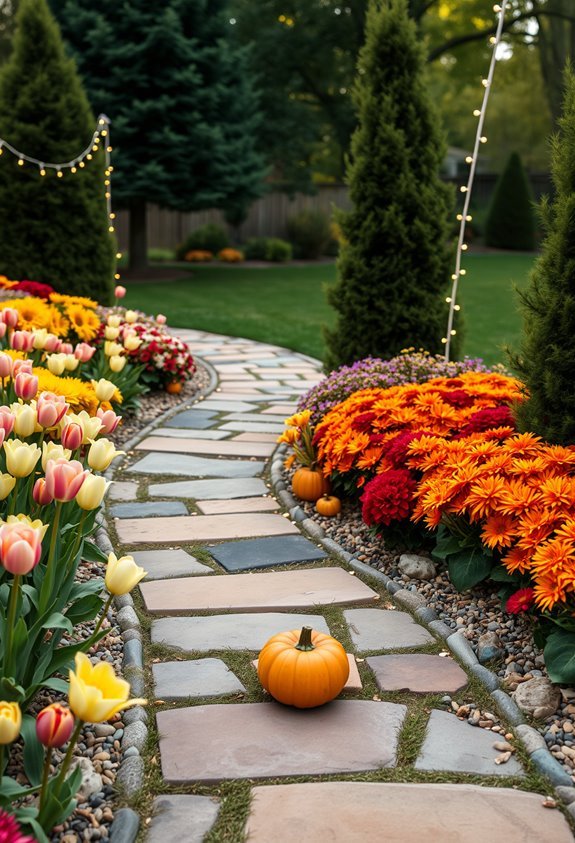
Seasonal color rotation keeps your fence line garden vibrant year-round by strategically planting flowers that bloom at different times. Start with spring bulbs like tulips and daffodils, shift to summer favorites such as sunflowers and zinnias, then finish with autumn blooms like asters and chrysanthemums. This approach provides continuous visual interest while supporting local pollinators with a steady food source throughout the seasons.
Shade-Tolerant Plants for Dim Areas
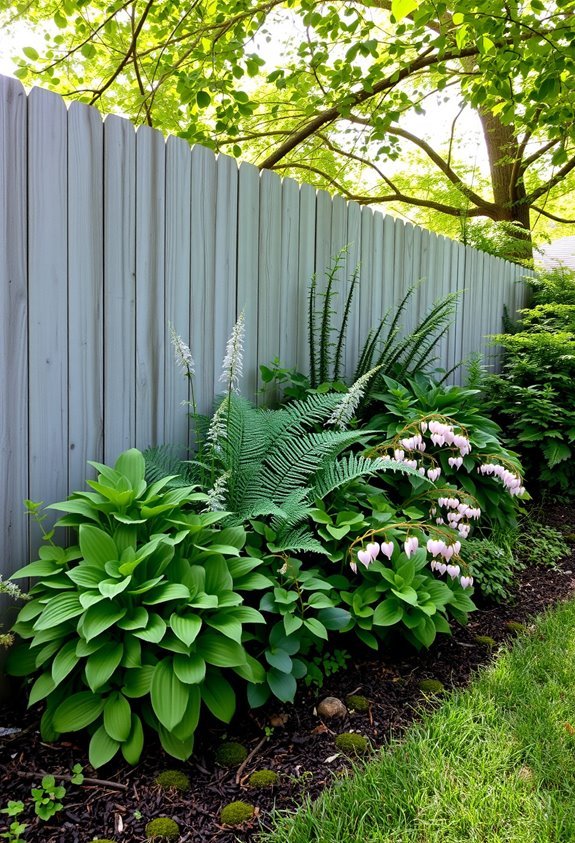
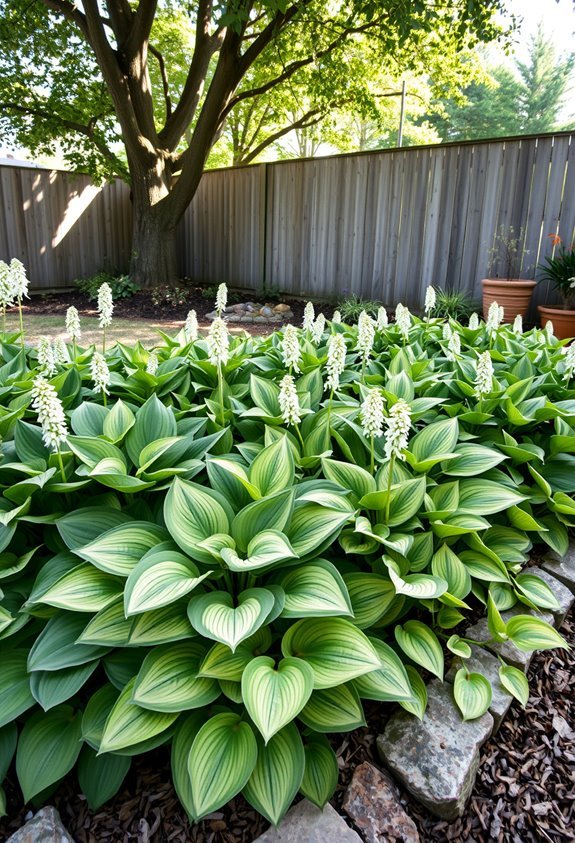
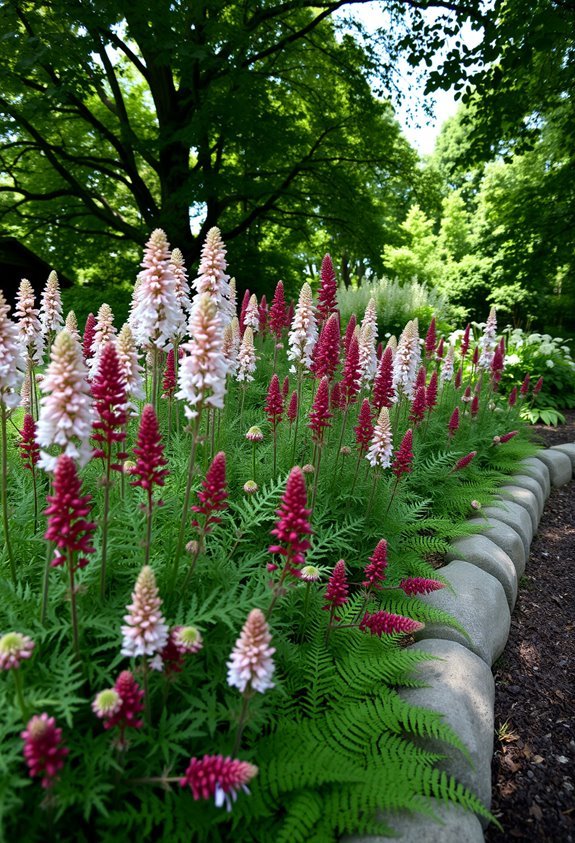
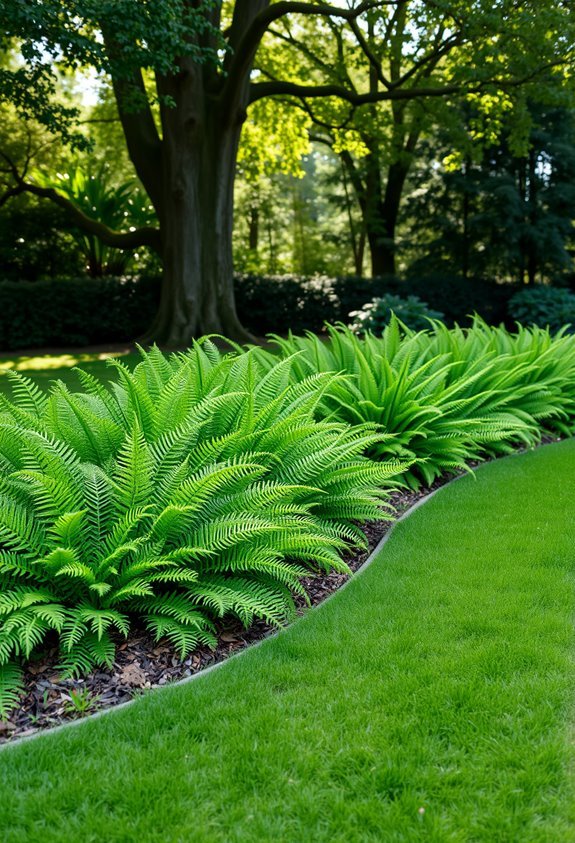
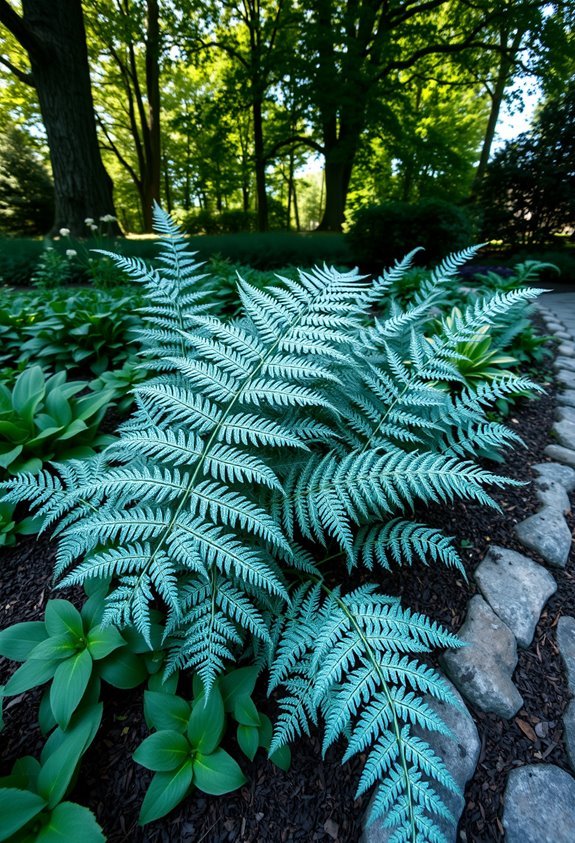
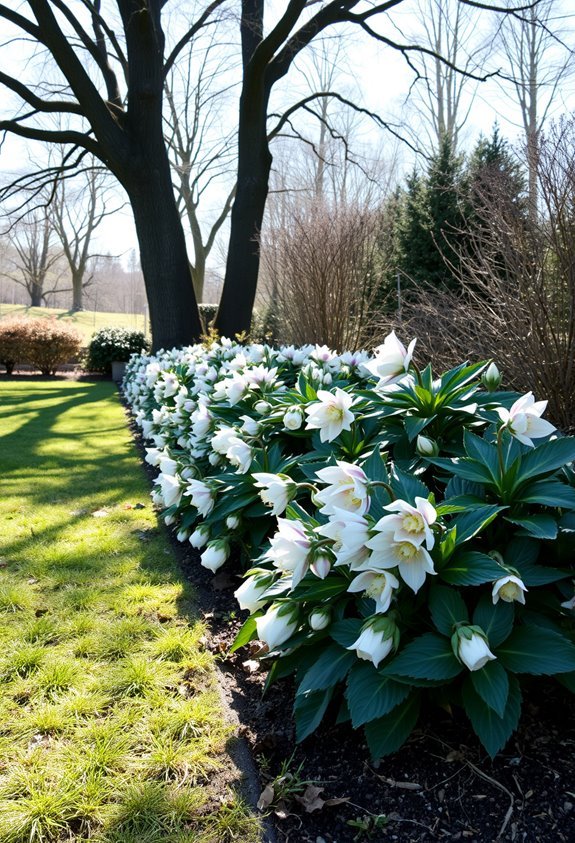
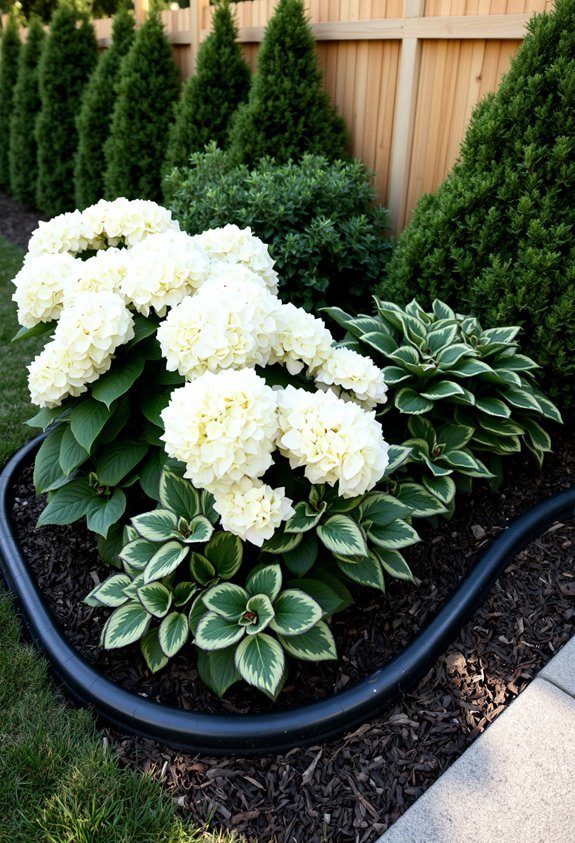
Fence lines often create shaded areas that receive limited sunlight throughout the day. Shade-tolerant plants like hostas, ferns, astilbe, and bleeding hearts are perfect for these dim spots. These varieties offer lush foliage with interesting textures and some even produce colorful blooms. They require minimal maintenance while creating visual depth and supporting local wildlife, making them ideal for low-effort landscaping solutions.
Bamboo Fencing With Complementary Greenery
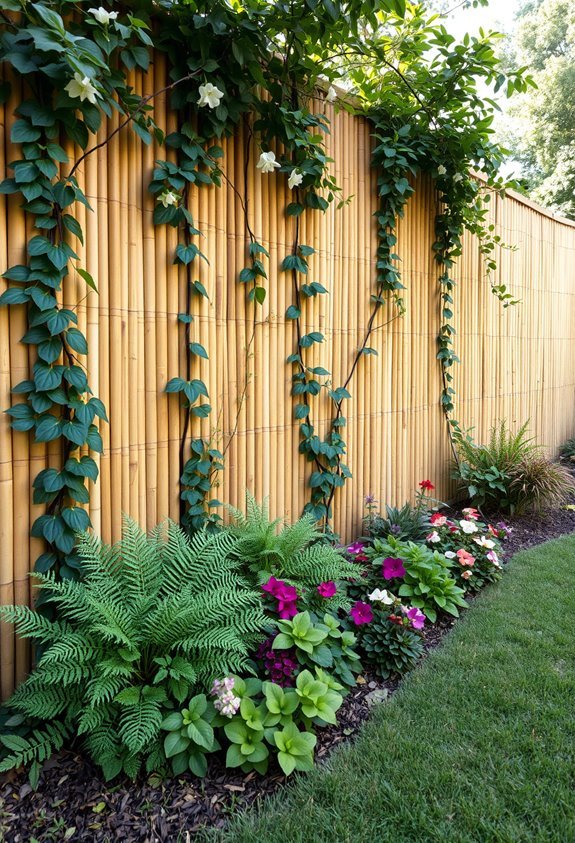
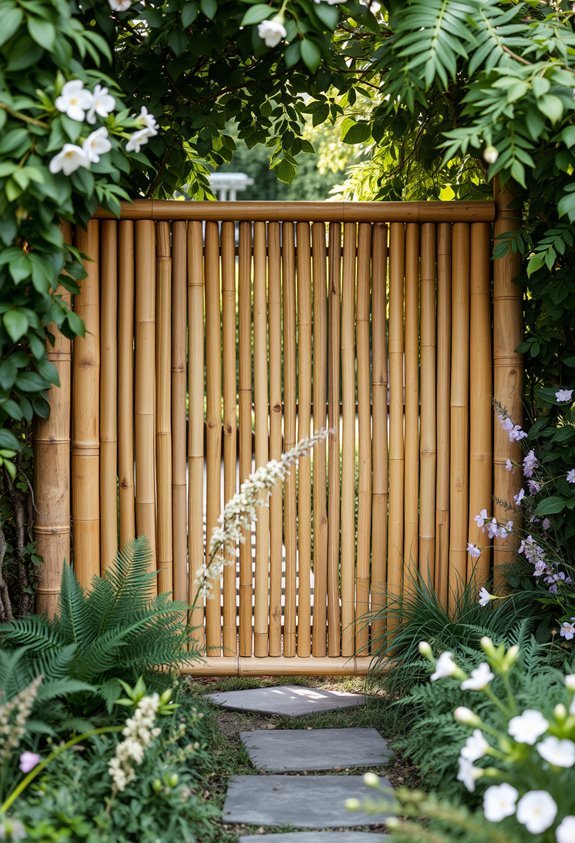
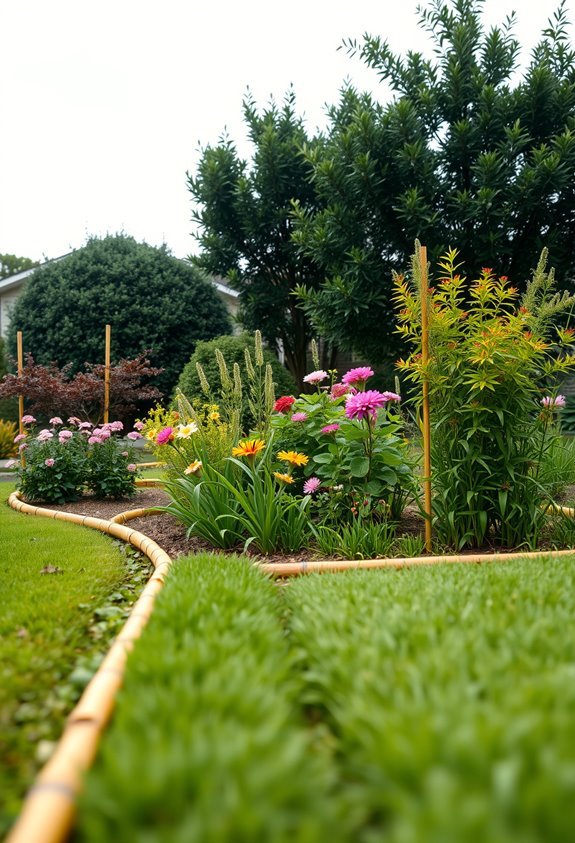
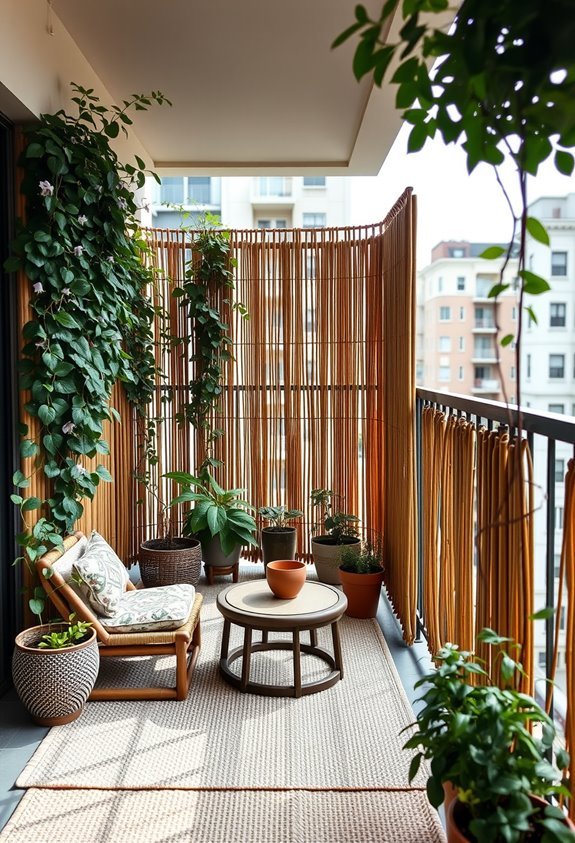
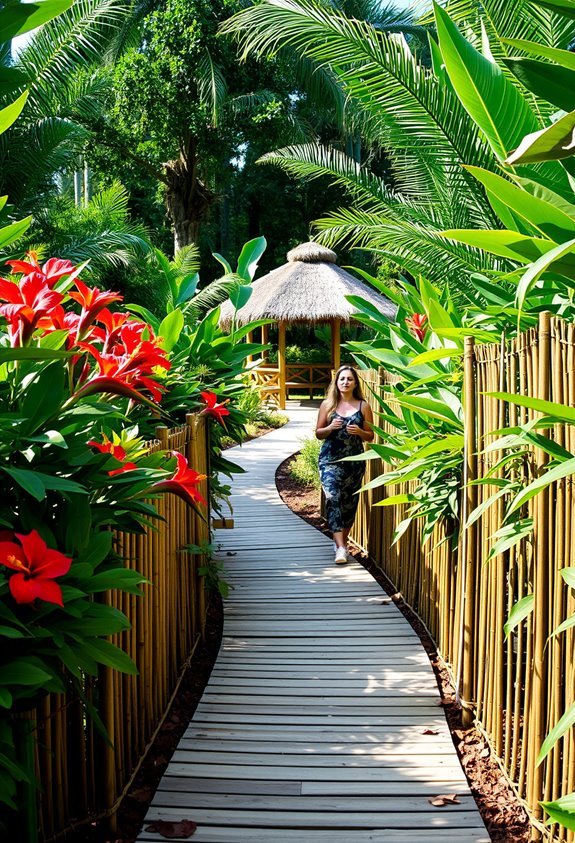
Bamboo fencing creates an attractive, eco-friendly backdrop that naturally complements various plant species. Its textured surface and vertical height provide perfect support for climbing vines while creating privacy. Plant colorful flowers or lush ferns at the base to establish visual contrast against the bamboo’s natural tones. This durable fencing withstands weather changes and requires minimal upkeep, making it ideal for year-round garden appeal.
Ornamental Grass Borders for Modern Appeal
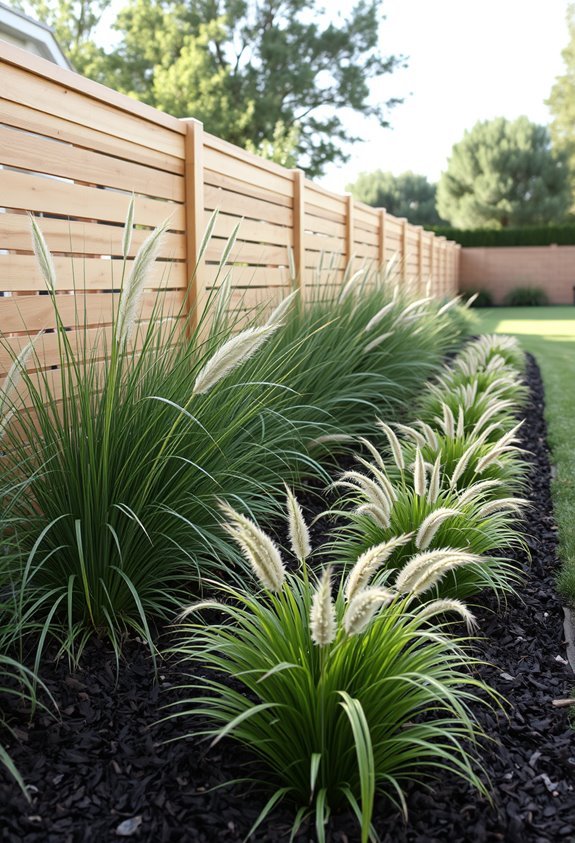
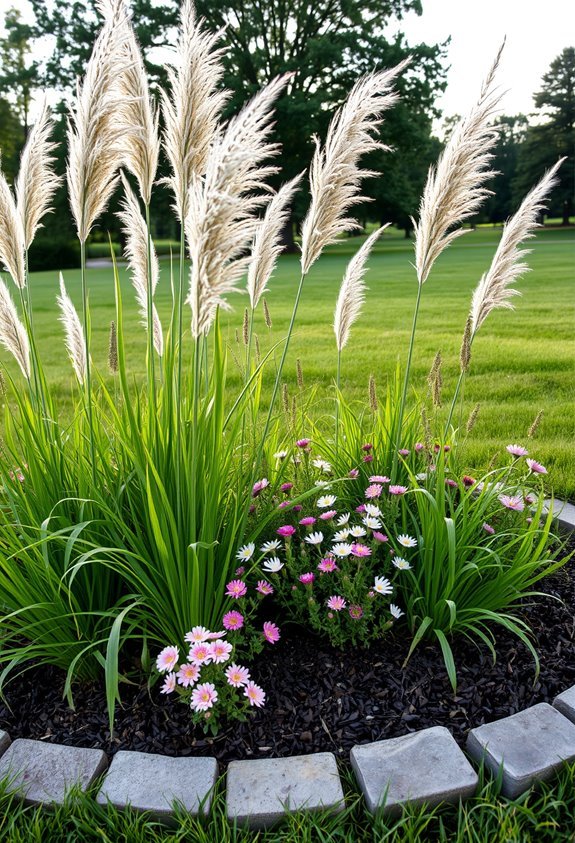
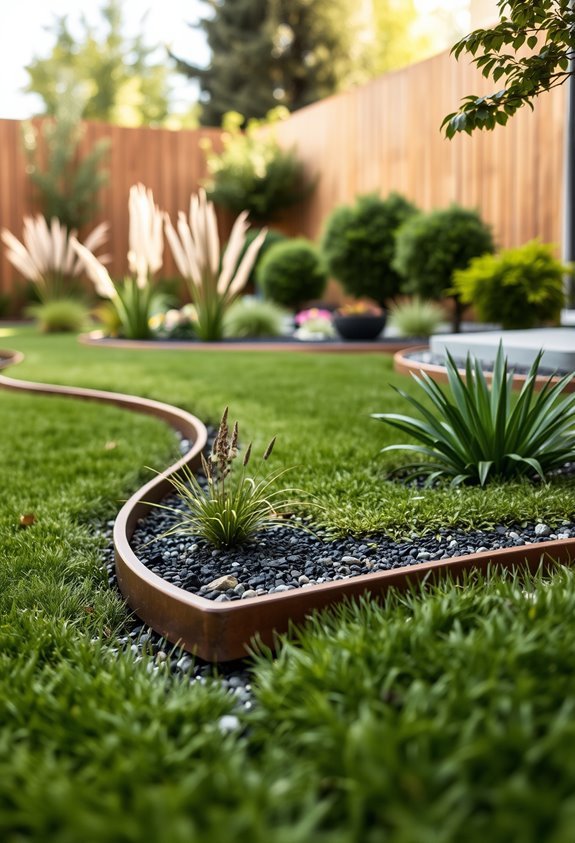
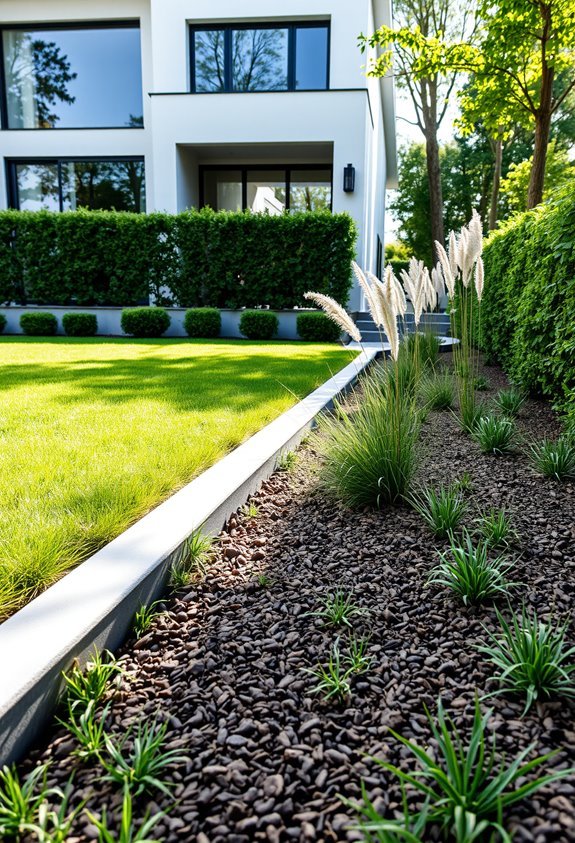
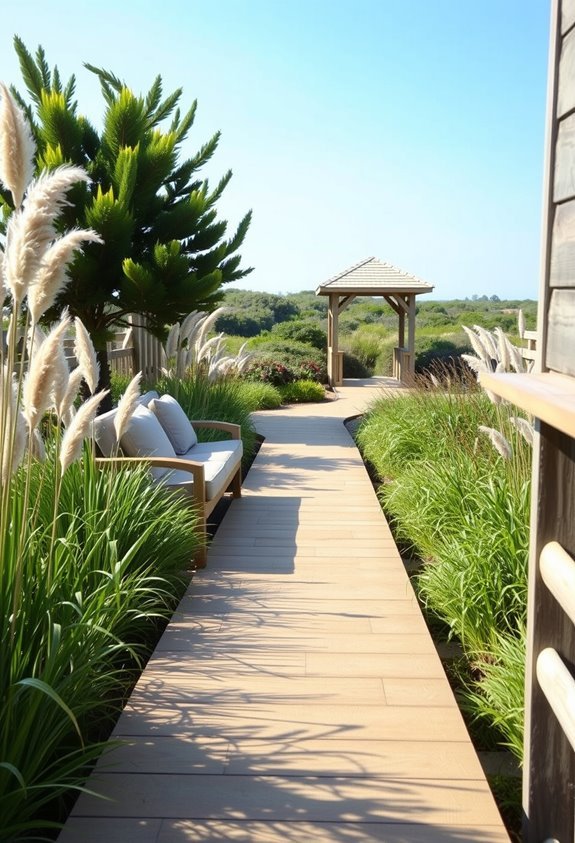
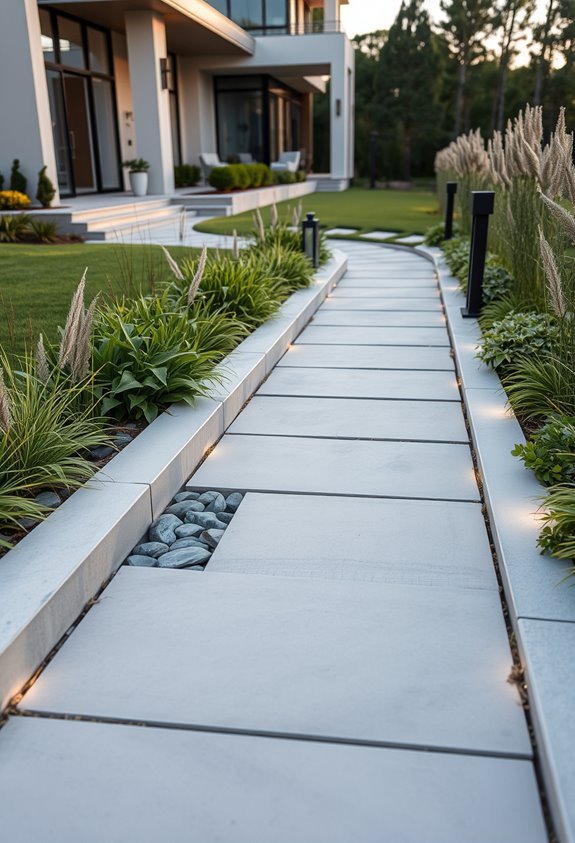
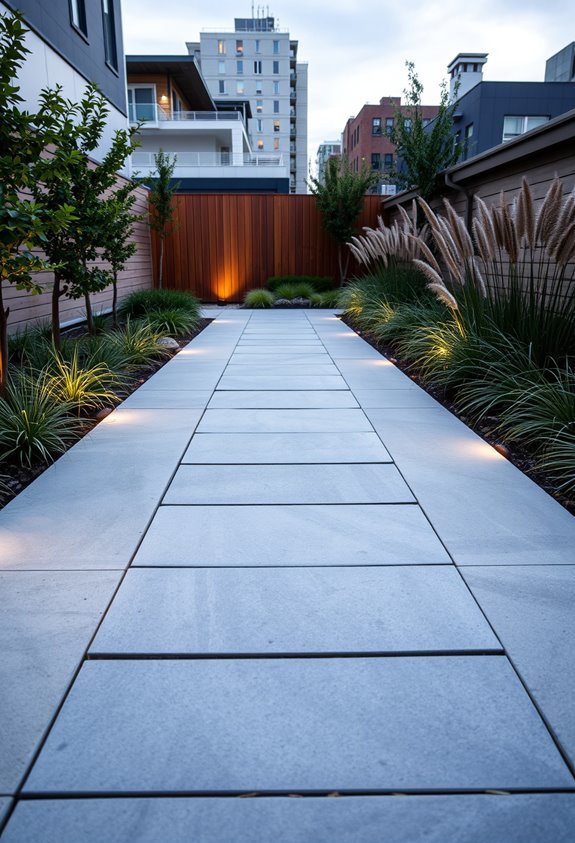
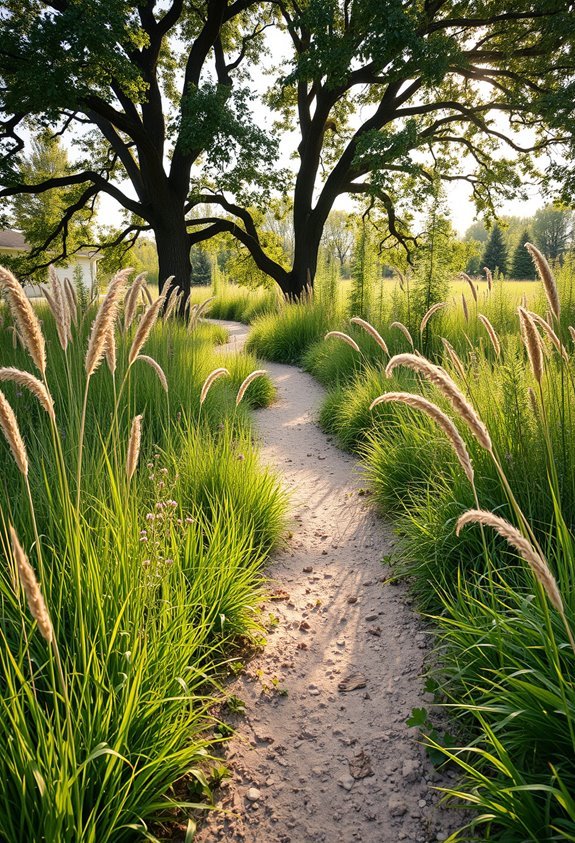
Ornamental grasses offer a sleek, contemporary solution for fence line plantings that require minimal maintenance. These versatile plants come in various heights and textures, creating dynamic visual interest while softening hard structural edges. Their drought-resistant nature makes them perfect for sustainable landscaping. Throughout the seasons, ornamental grasses provide changing colors from spring greens to autumn golds, while their gentle movement adds natural privacy screening.
Rose Garden Fence Line for Classic Romance
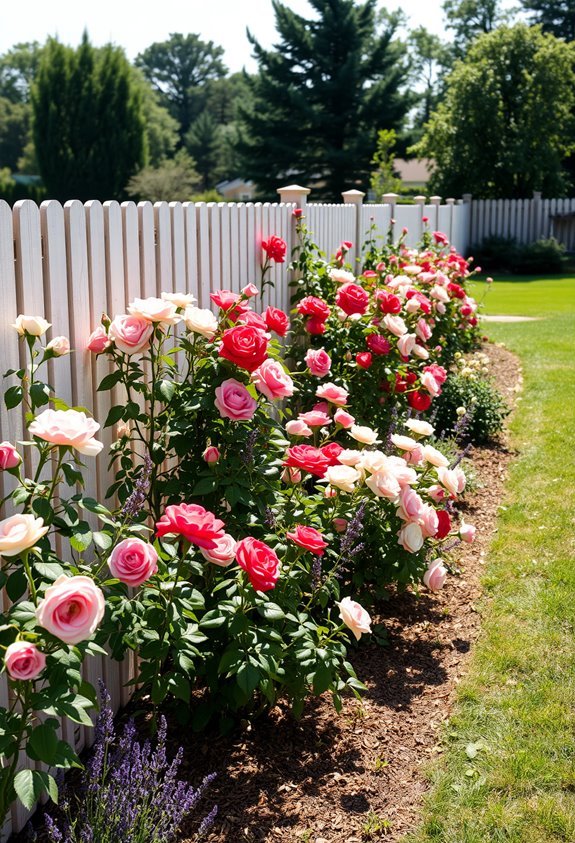
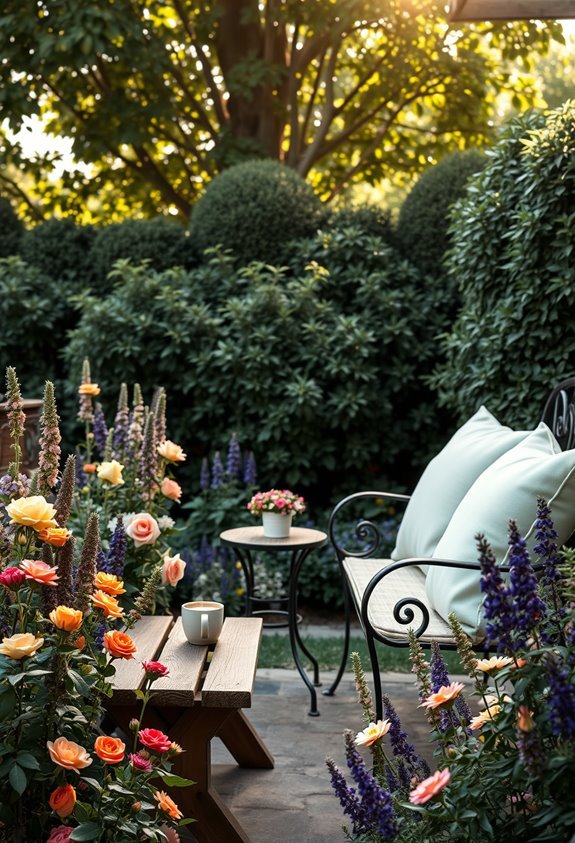
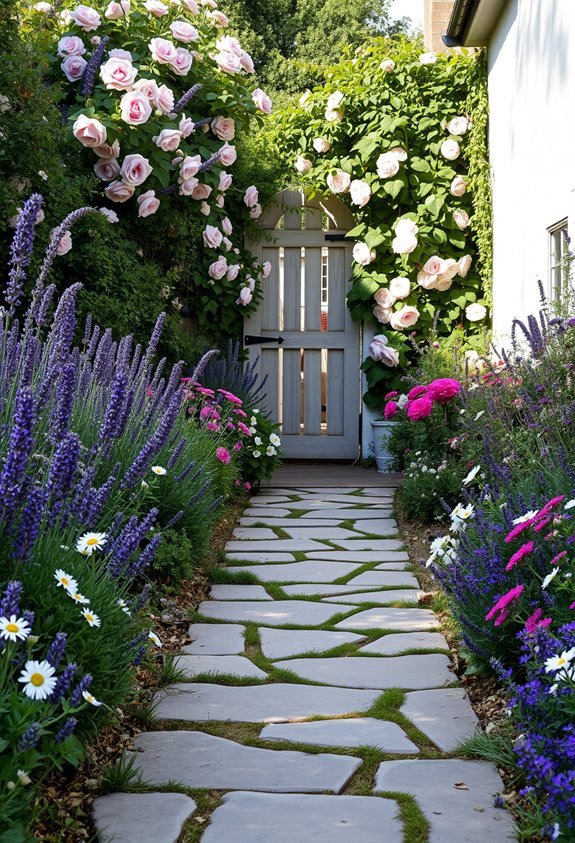
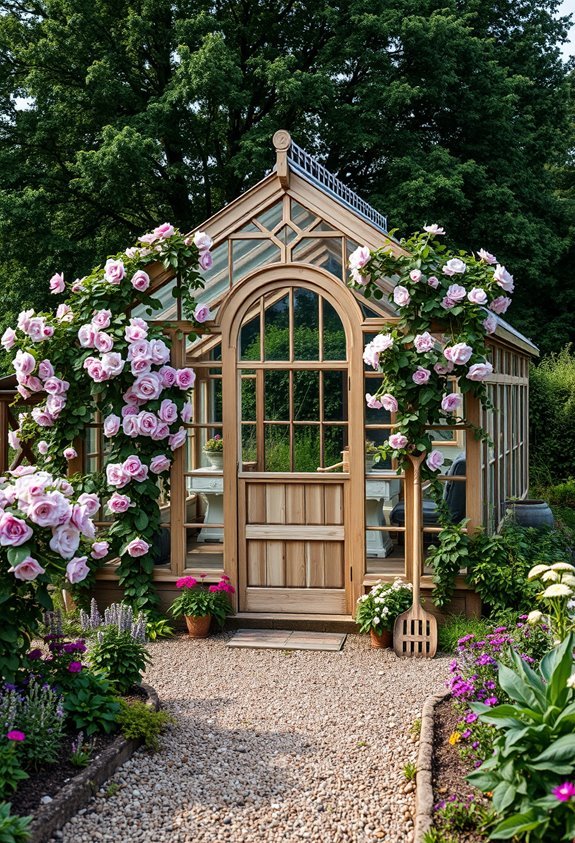
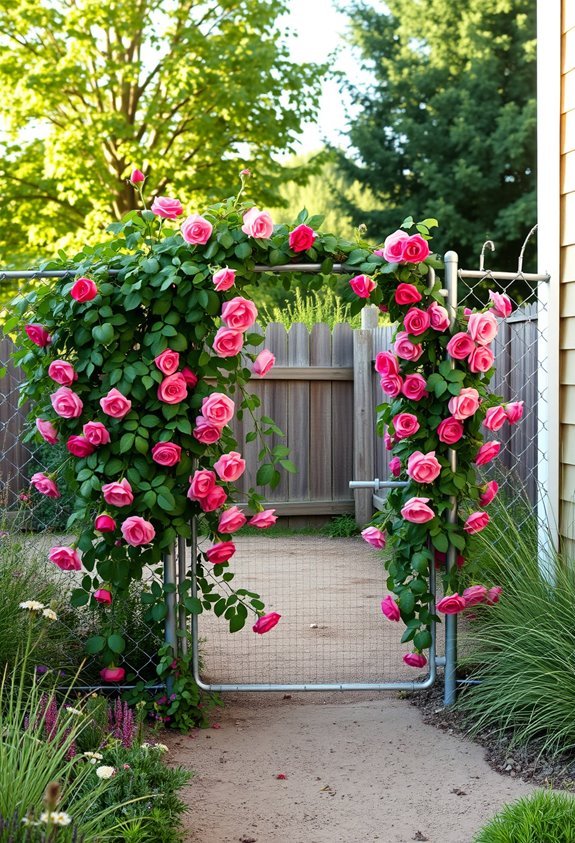
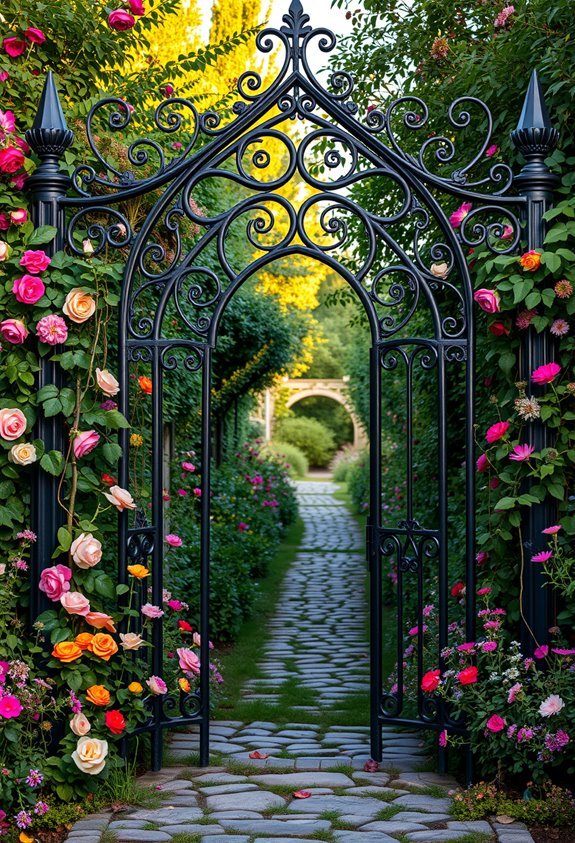
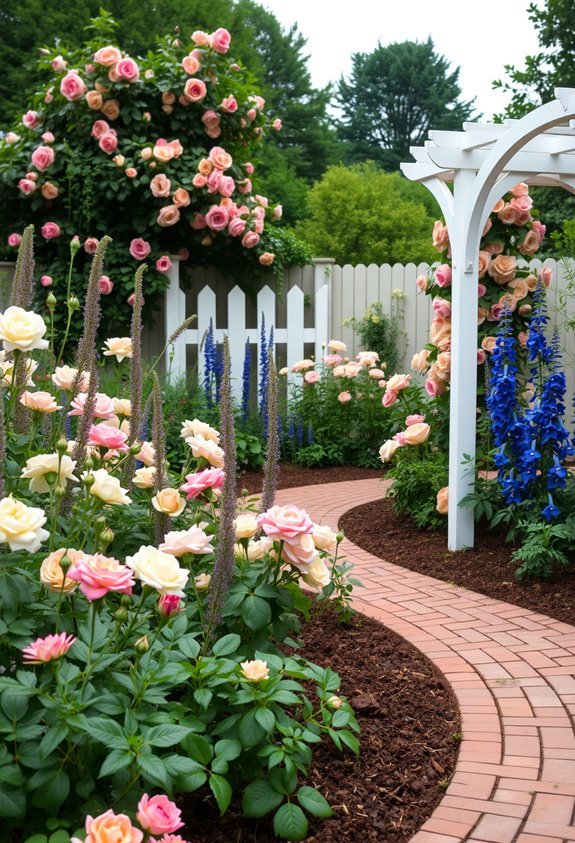
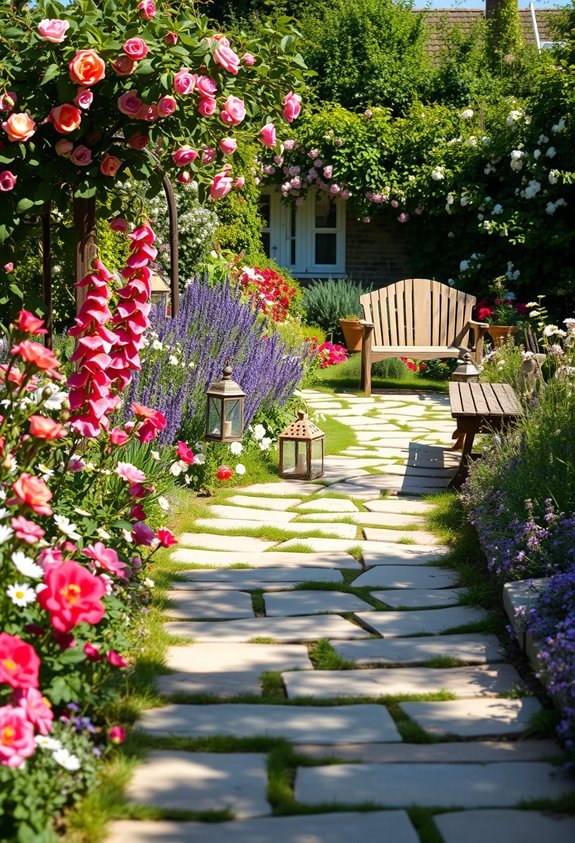
A rose garden along your fence line creates timeless elegance and romantic charm. Choose disease-resistant varieties like ‘Knock Out’ or ‘Drift’ for low-maintenance beauty that thrives in most climates. Plant in well-draining soil with at least six hours of daily sunlight. Climbing roses add vertical interest, while companion plants like lavender attract beneficial pollinators and deter pests. Regular pruning and deadheading guarantee continuous blooms throughout the growing season.
Butterfly Garden With Host and Nectar Plants
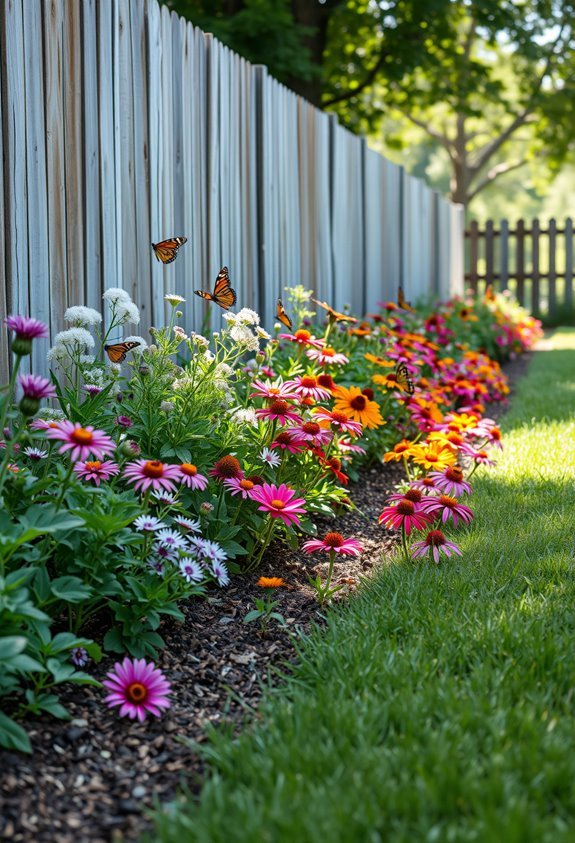
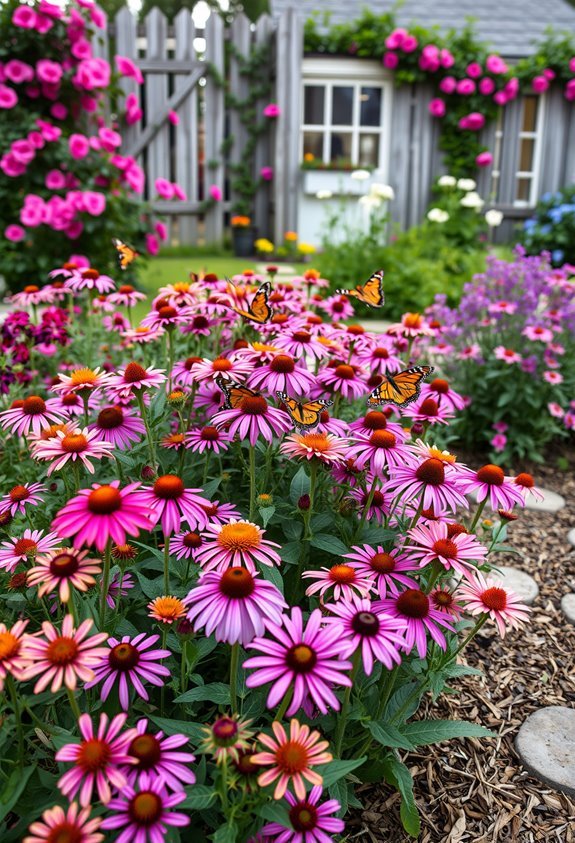
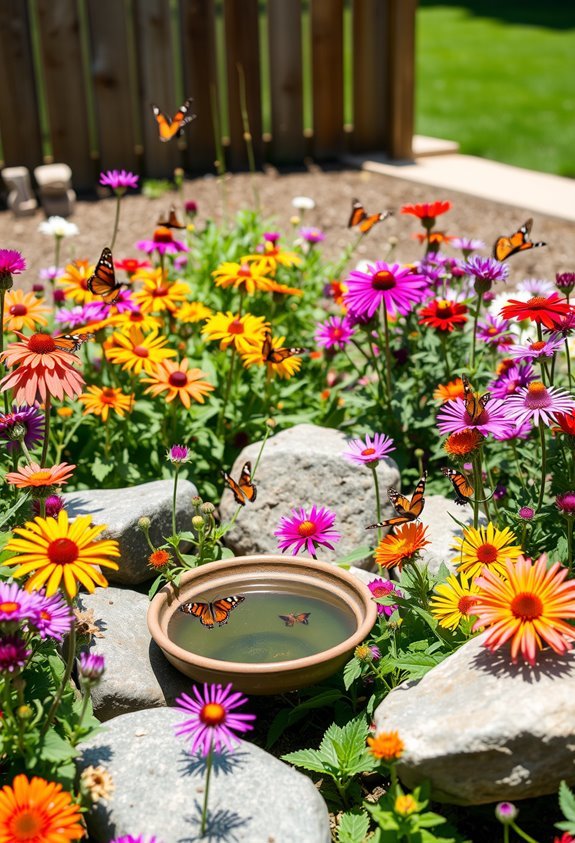
Transform your fence line into a butterfly haven by combining host plants like milkweed and parsley with nectar-rich flowers such as coneflowers and zinnias. Plant in sunny, wind-protected clusters using native varieties that support local butterfly species. This thoughtful combination provides essential larval food sources for caterpillars while offering adult butterflies the energy they need. The result is a dynamic, colorful border that attracts beautiful visitors throughout the growing season.
Edible Flower Borders for Culinary Adventures
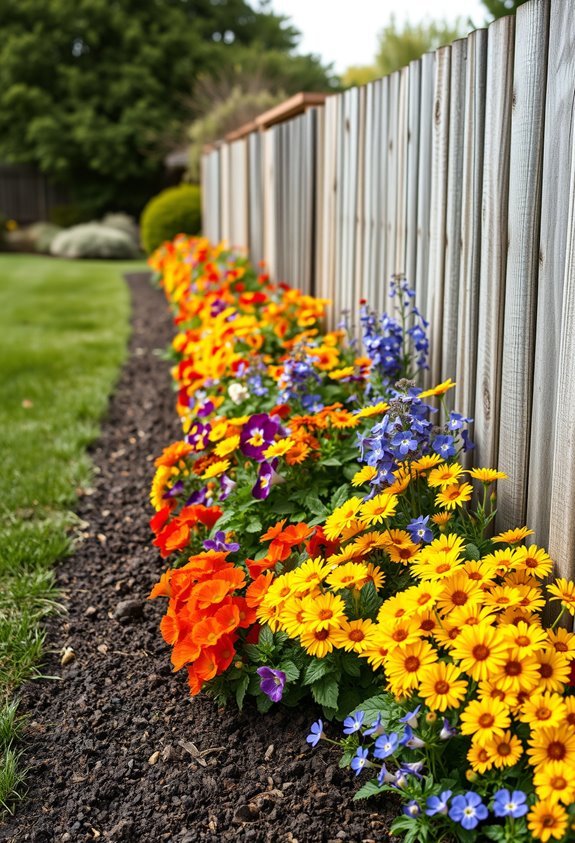
Transform your fence line into a delicious landscape with edible flower borders featuring colorful nasturtiums, cheerful pansies, and sunny calendula. These beautiful blooms add vibrant appeal to your garden while providing fresh ingredients for salads, garnishes, and teas. Plant hardy varieties like borage alongside your fence to create an accessible harvest that attracts beneficial pollinators and supports garden health naturally.
Perennial Borders for Long-Lasting Beauty

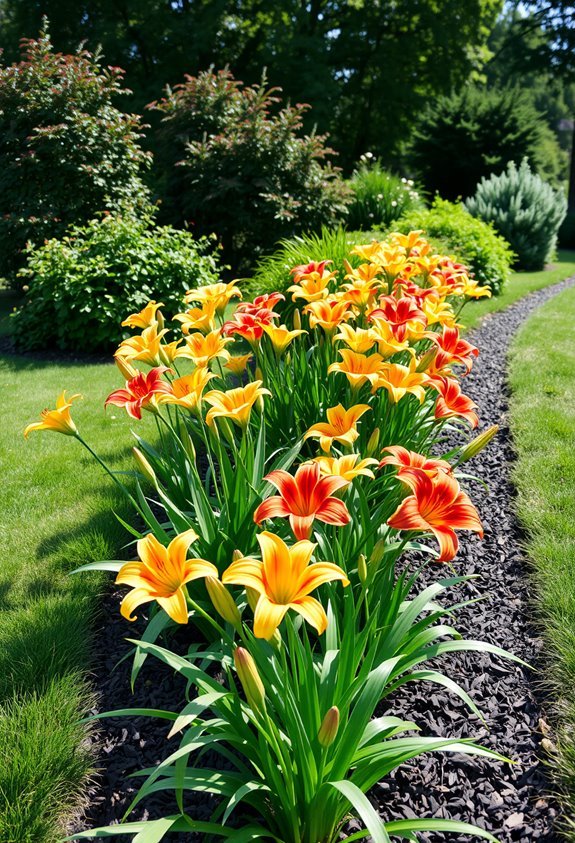
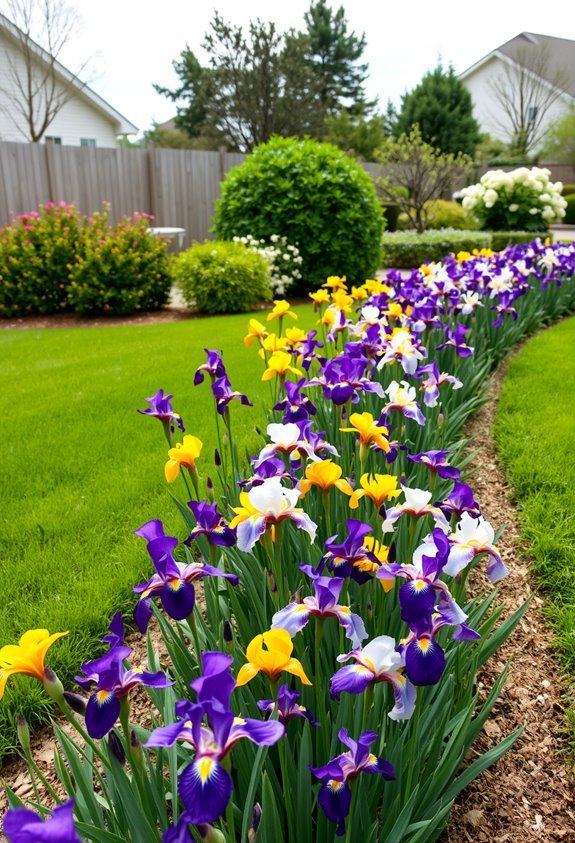
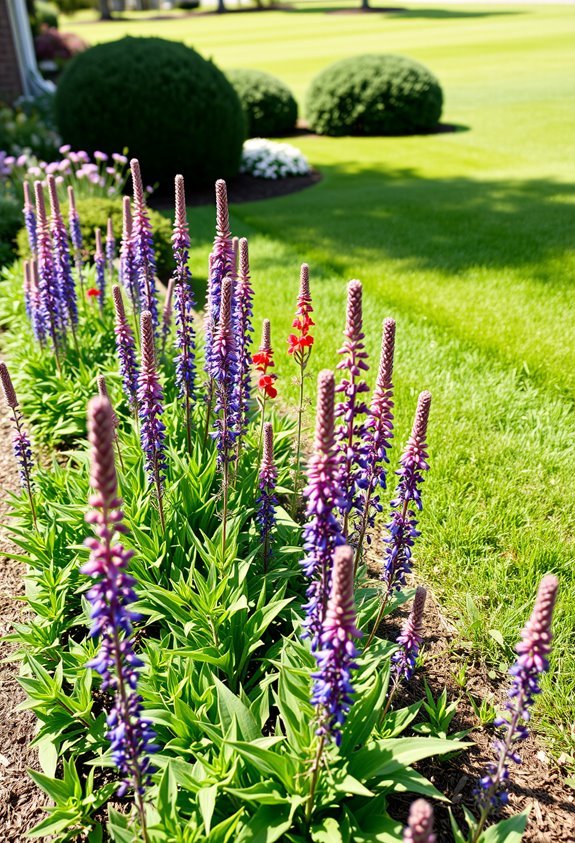
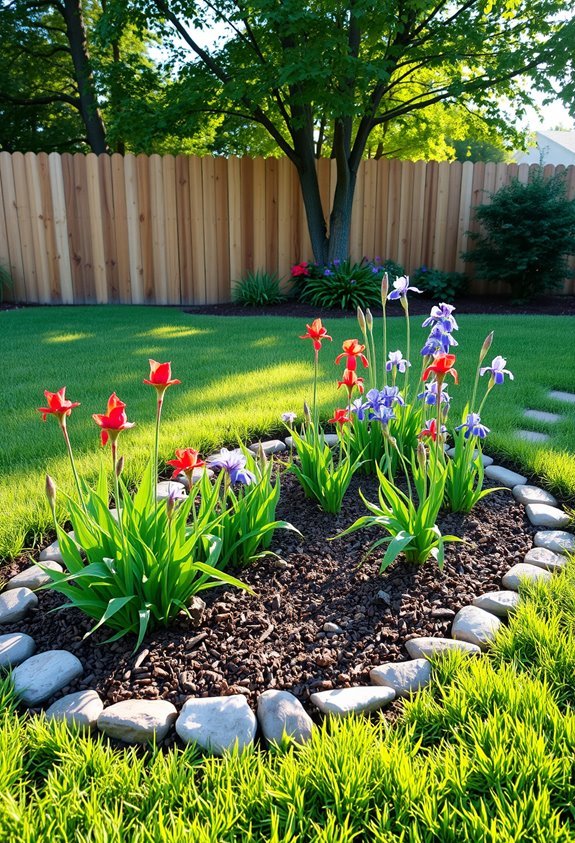
Create enduring fence line beauty with perennial borders featuring reliable plants like coneflowers, daylilies, and hostas. These returning favorites eliminate yearly replanting while offering diverse colors, textures, and heights for visual interest. Use staggered planting techniques to layer taller backdrop plants behind shorter varieties. Once established, many perennials become drought-tolerant and provide valuable habitat for pollinators, making them perfect for low-maintenance, sustainable garden borders.
Cottage Garden Style Mixed Plantings

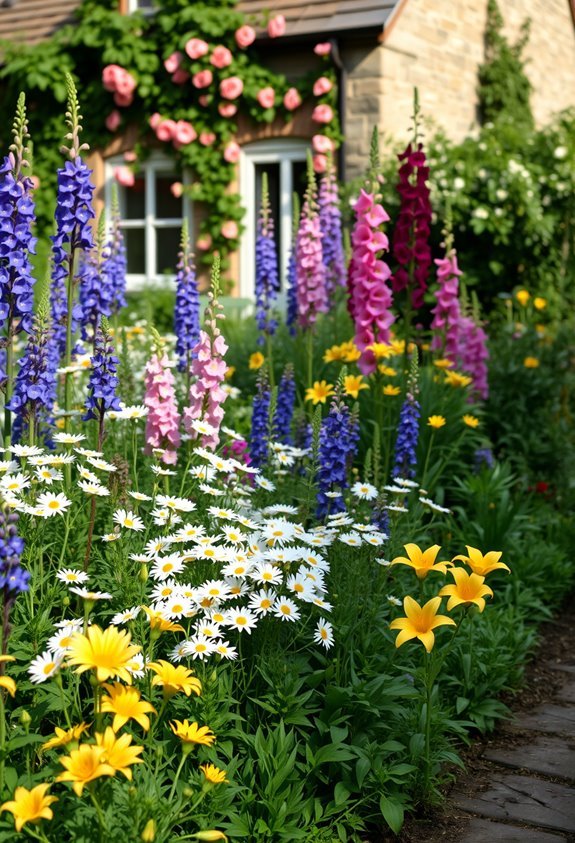
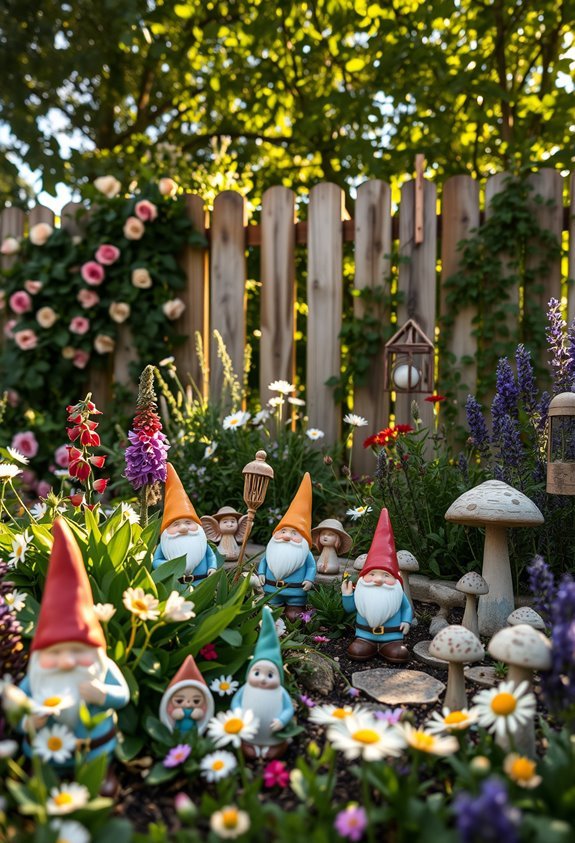
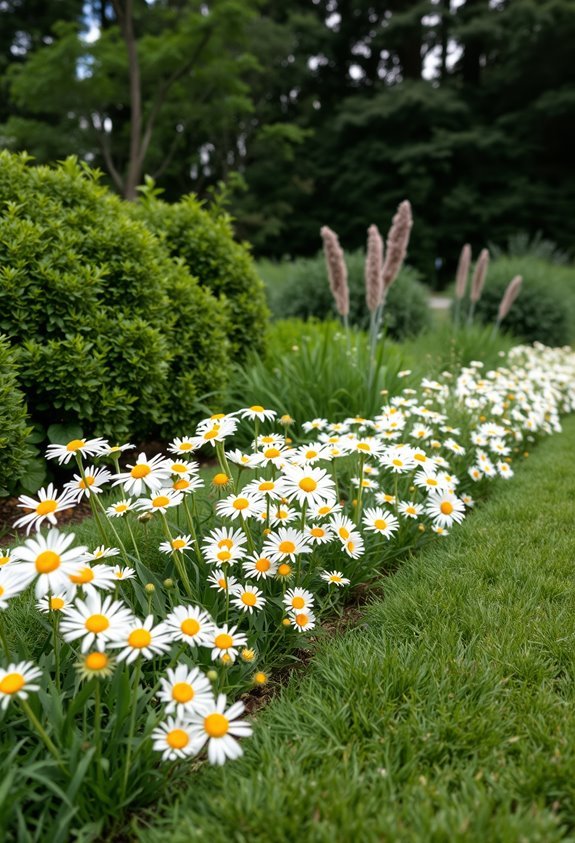
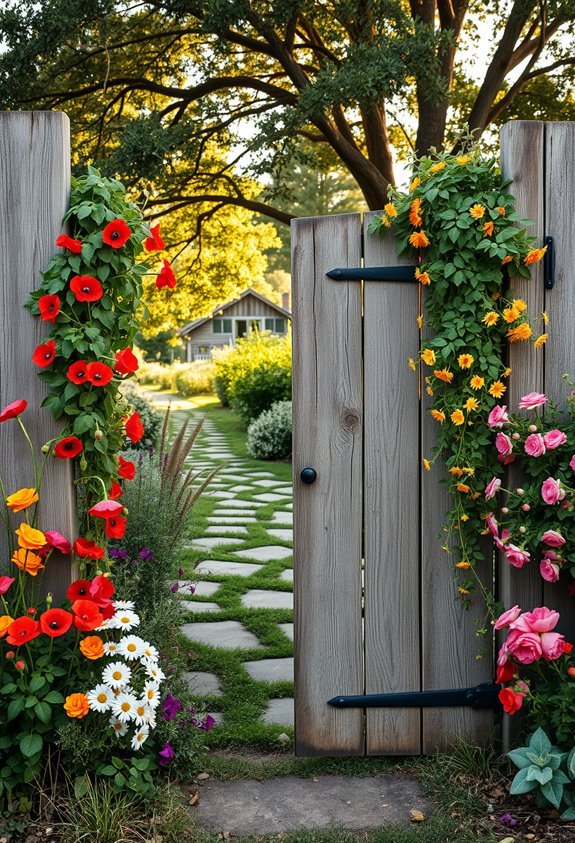
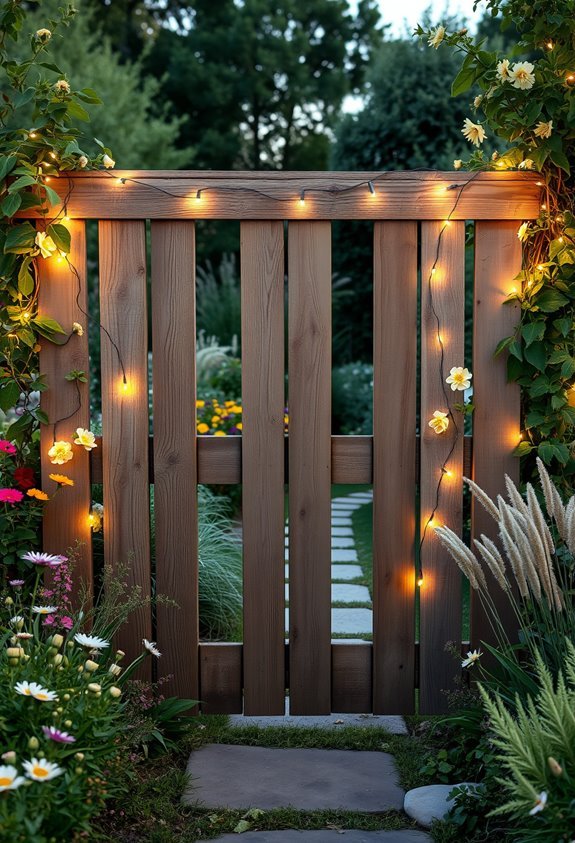
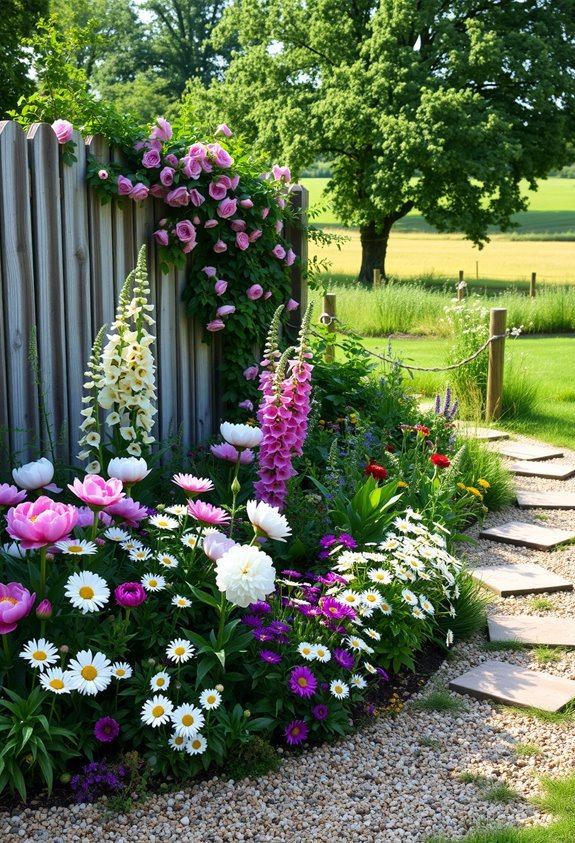
Transform your fence line into a charming cottage garden with mixed plantings that combine flowers, herbs, and vegetables in delightful chaos. Layer hollyhocks, foxgloves, and daisies for seasonal blooms while adding climbing sweet peas or clematis for vertical interest. This relaxed planting style creates natural biodiversity, attracts pollinators, and pairs beautifully with rustic trellises and weathered wooden fences for an authentic countryside feel.
Drought-Resistant Plants for Water Conservation
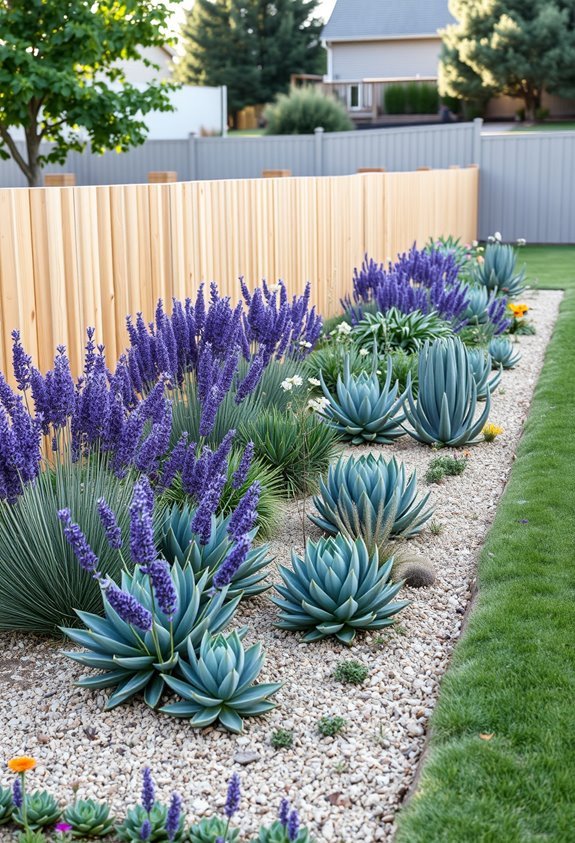
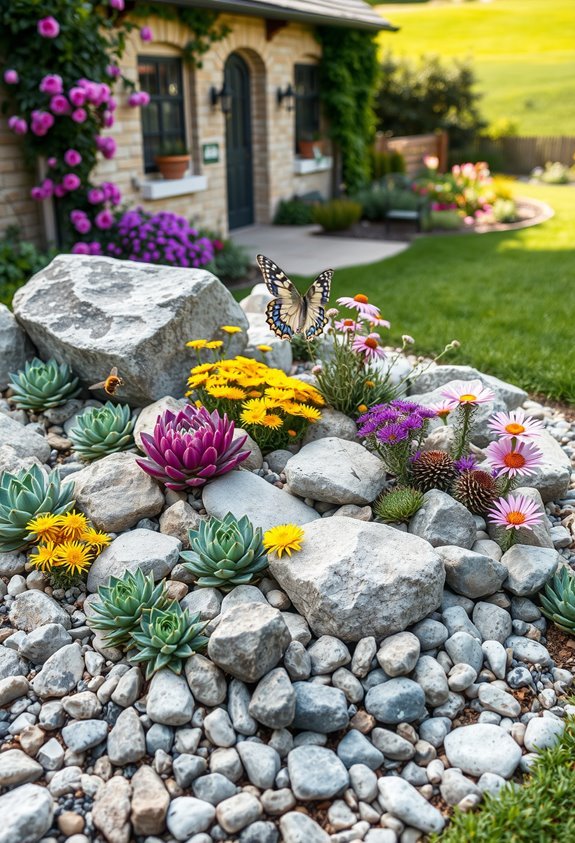
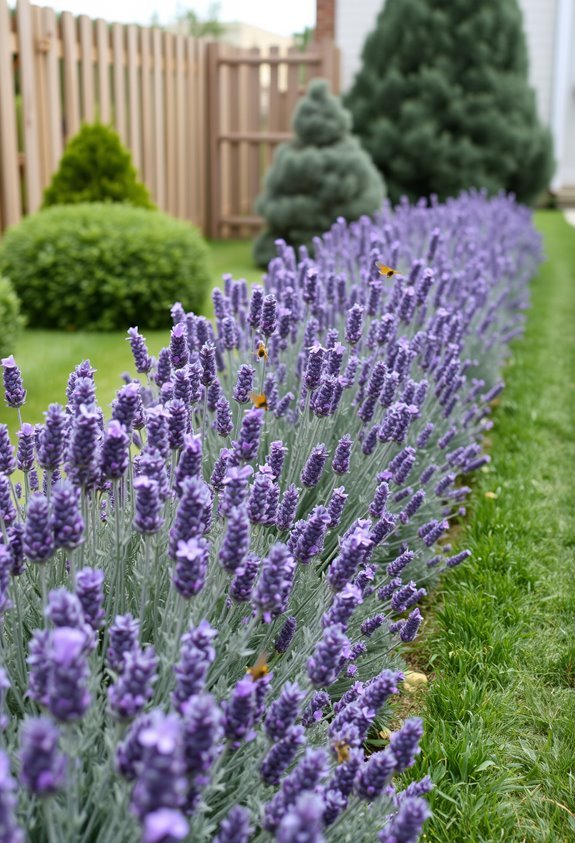
Create a sustainable fence line garden with drought-resistant plants like lavender, succulents, and native agave that use 50% less water than traditional plantings. These hardy species store moisture in thick leaves and deep root systems, requiring minimal maintenance while supporting local wildlife. Choose native varieties that thrive in your climate to reduce watering needs and create an eco-friendly landscape border.
Layered Plantings From Ground to Sky
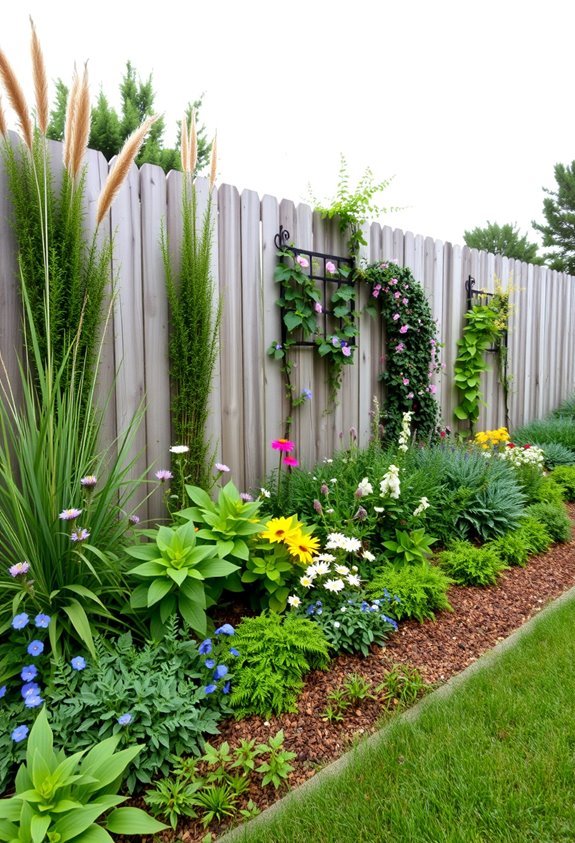
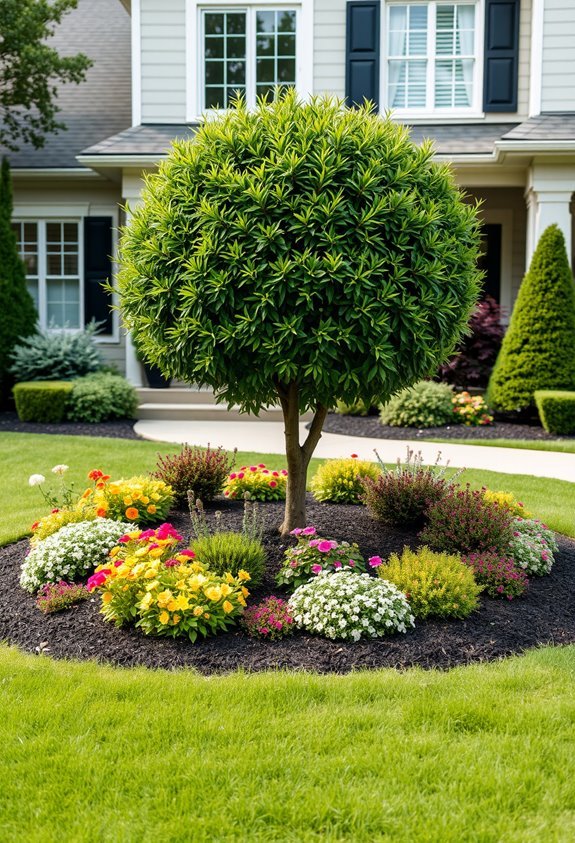
Transform your fence line into a visual masterpiece by creating layers from ground to sky. Start with tall plants like ornamental grasses or shrubs at the back, add medium-height perennials in the middle, and finish with low-growing annuals or groundcover in front. Include climbing vines on trellises for vertical interest. Mix perennials for lasting structure with colorful annuals for seasonal variety, and tuck shade-loving plants like hostas beneath taller specimens to maximize every inch.
Fragrant Plant Borders for Sensory Gardens
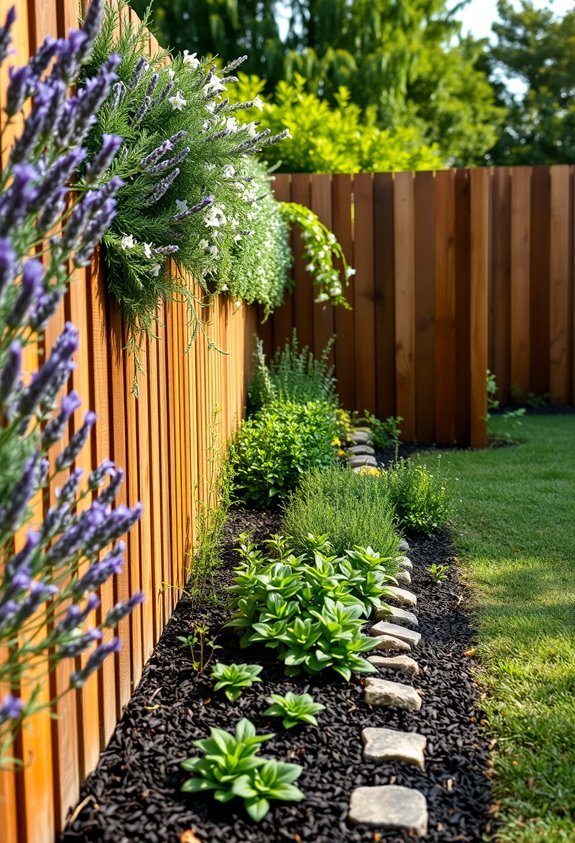
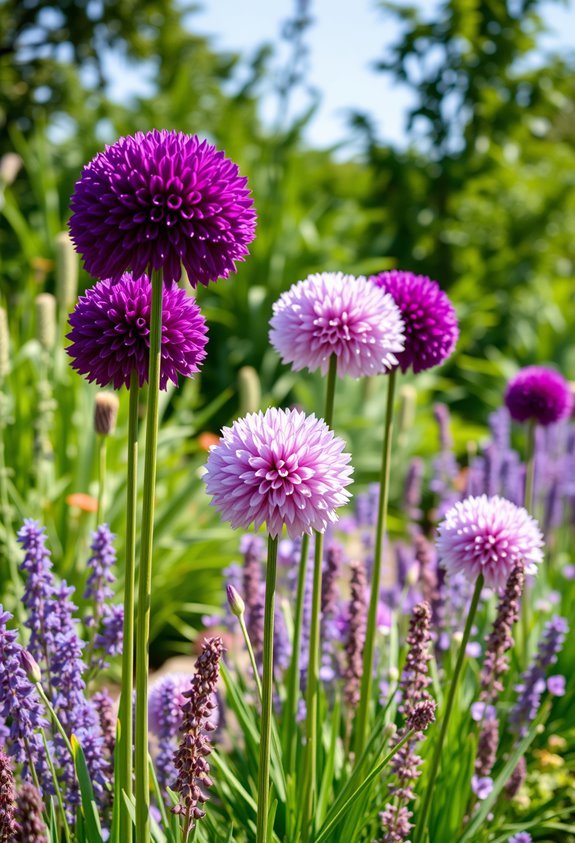
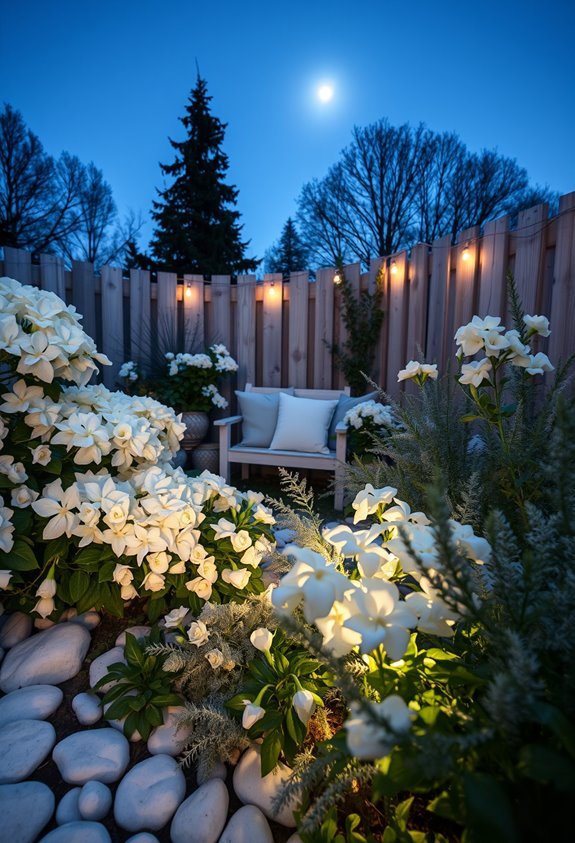
Transform your fence line into a delightful sensory experience with fragrant plant borders. Incorporate aromatic favorites like lavender, rosemary, and jasmine that release wonderful scents when brushed against or in bloom. Add culinary herbs such as mint and thyme for both fragrance and kitchen convenience. Choose plants with staggered bloom times to maintain continuous fragrance from spring through fall while attracting beneficial pollinators to your garden.
Evergreen Shrubs for Year-Round Structure
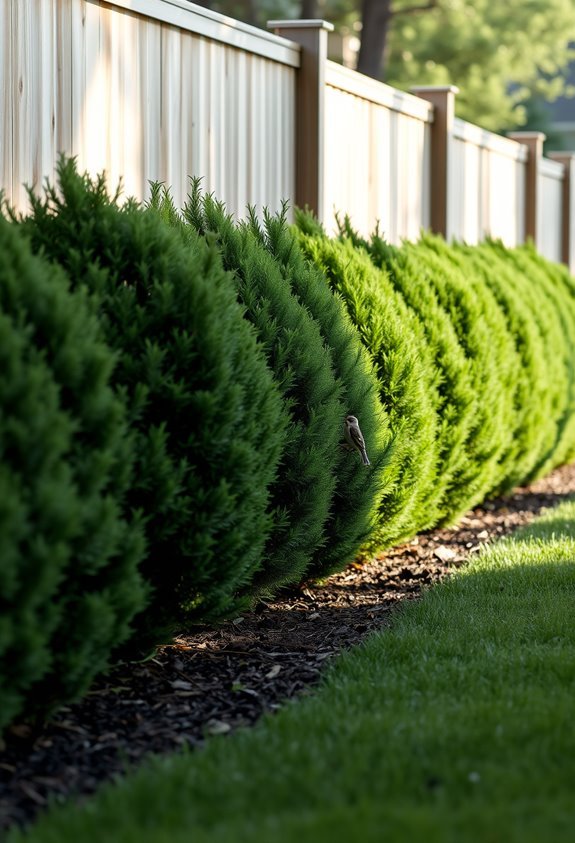
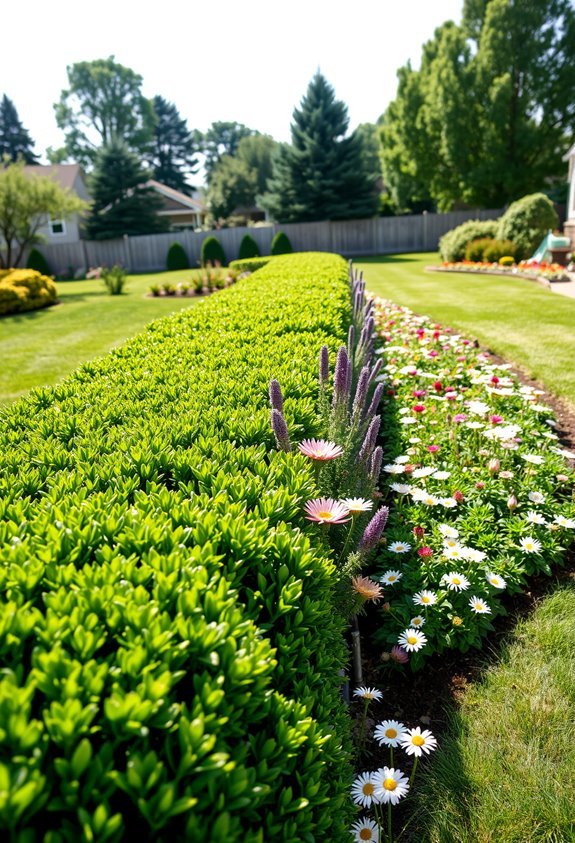
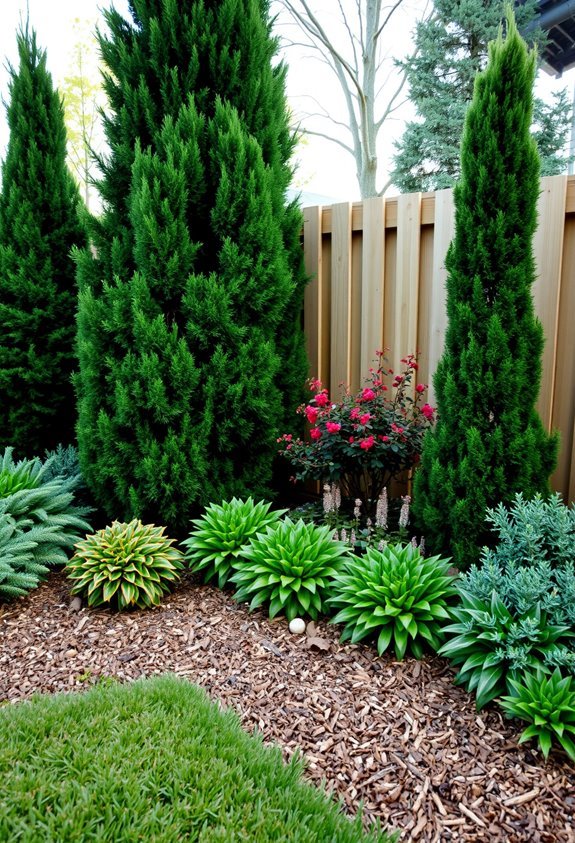
Evergreen shrubs like boxwood, holly, and juniper create reliable backbone plantings that keep your fence line looking polished throughout every season. These hardy plants maintain their foliage year-round, providing consistent privacy and wind protection while requiring minimal maintenance. Plant them in varying heights to add visual depth, and enjoy how they support local wildlife with shelter and food sources during harsh winter months.
Rain Garden Plants for Water Management
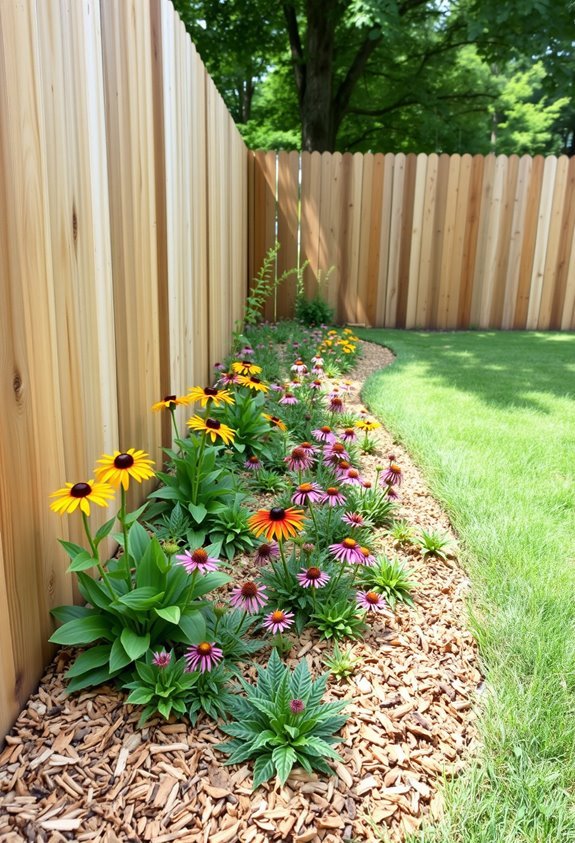
Transform problematic wet spots along your fence into functional rain gardens that naturally manage stormwater runoff. Choose moisture-loving native plants like black-eyed Susans, coneflowers, and sedges that thrive in both wet and dry conditions. Create a shallow depression filled with well-draining soil near downspouts or low-lying areas. These gardens filter pollutants, reduce flooding, and provide valuable wildlife habitat while adding beautiful seasonal color to your fence line.
Cutting Garden for Fresh Indoor Arrangements
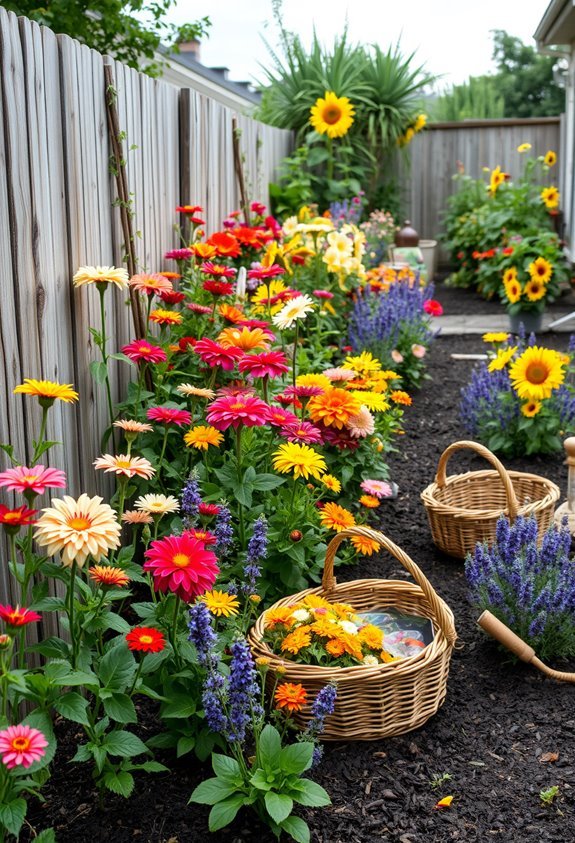
Design a productive cutting garden along your fence line with flowers like zinnias, dahlias, and sunflowers that provide abundant blooms for indoor arrangements. Choose varieties with staggered bloom times to guarantee continuous harvests from spring through fall. Include fragrant options like sweet peas and lavender to add pleasant scents to your home. This space-efficient approach maximizes small yards while regular cutting promotes healthier, more vigorous plant growth.
Groundcover Plants to Suppress Weeds
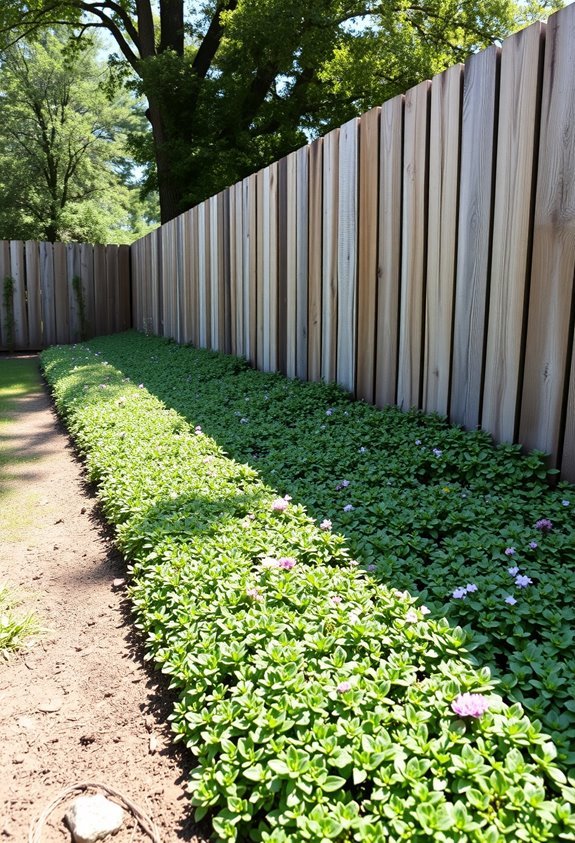
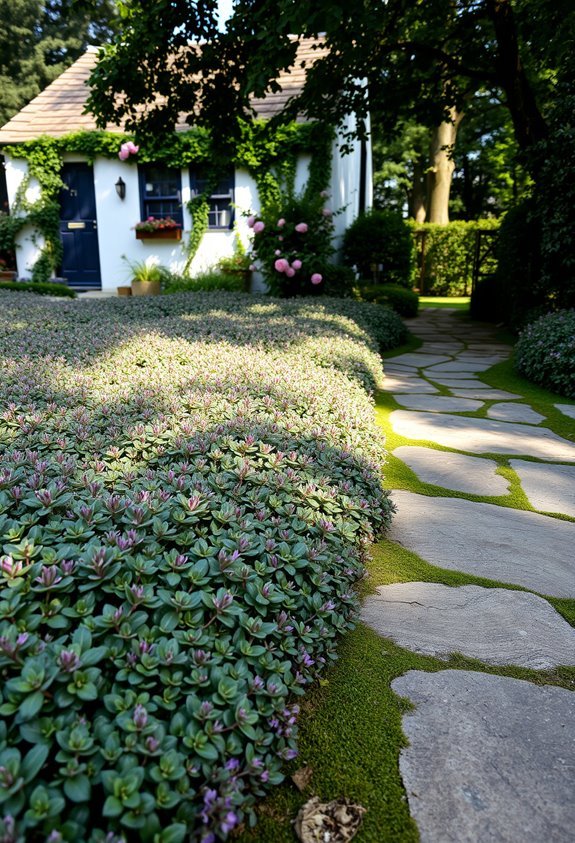
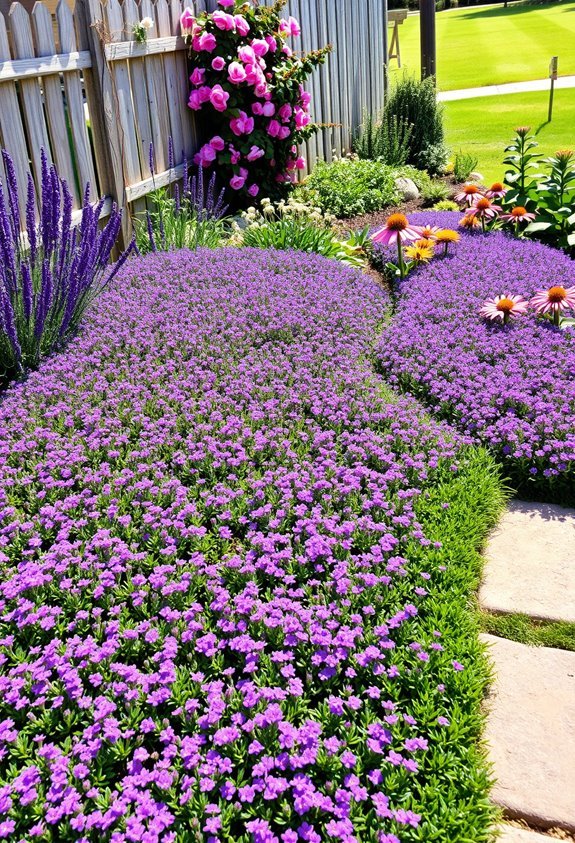
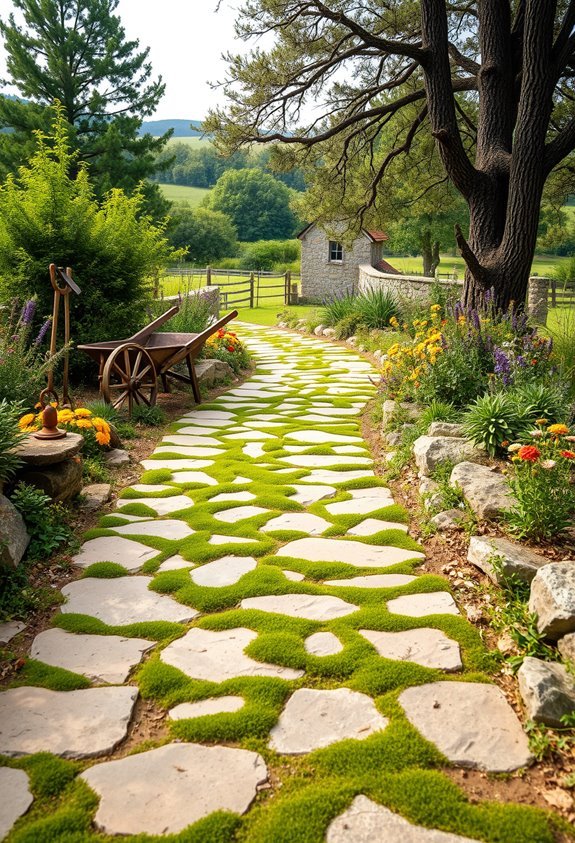
Transform your fence line into a low-maintenance landscape by planting groundcover species that naturally suppress weeds. Dense-growing options like creeping thyme, clover, and ajuga form thick mats that block sunlight and prevent weed germination. These hardy plants thrive in various soil conditions while reducing your need for herbicides. Many groundcovers also offer beautiful flowers and foliage, creating an attractive border that improves soil health and prevents erosion.
Espalier Fruit Trees Against Fence Structures
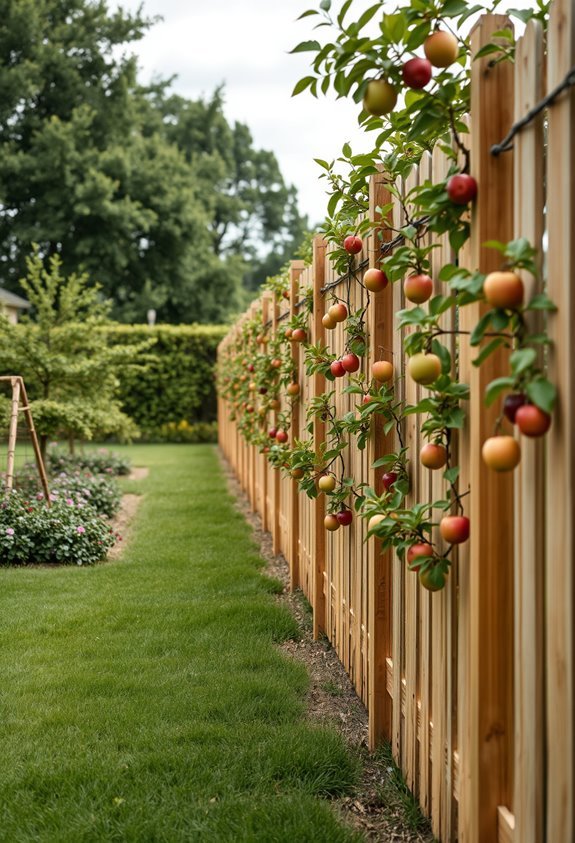
Transform your fence into a productive growing space with espalier fruit trees trained to grow flat against the structure. This space-saving technique works beautifully with apples, pears, and cherries, allowing you to harvest fresh fruit even in small yards. The fence creates a beneficial microclimate that protects trees from harsh weather while keeping maintenance tasks at eye level for easier pruning and picking.
Mediterranean Plants for Hot, Dry Conditions
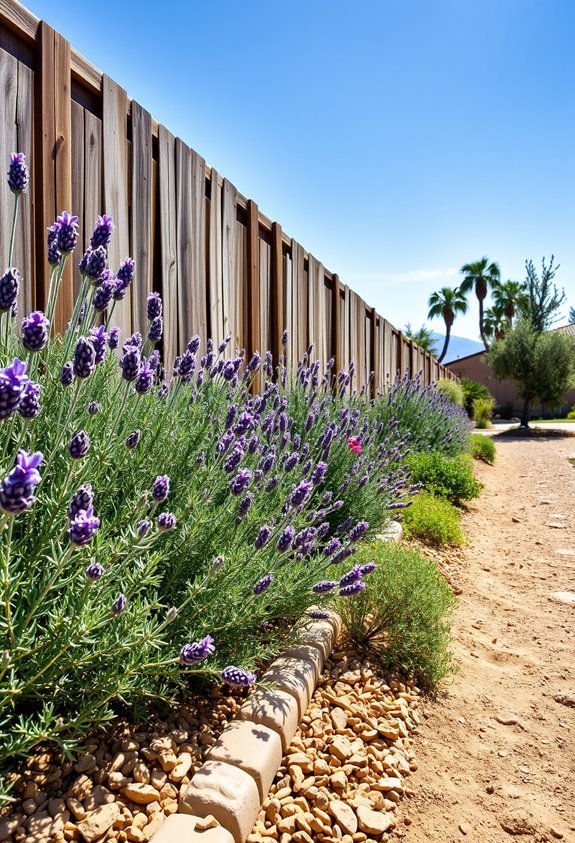
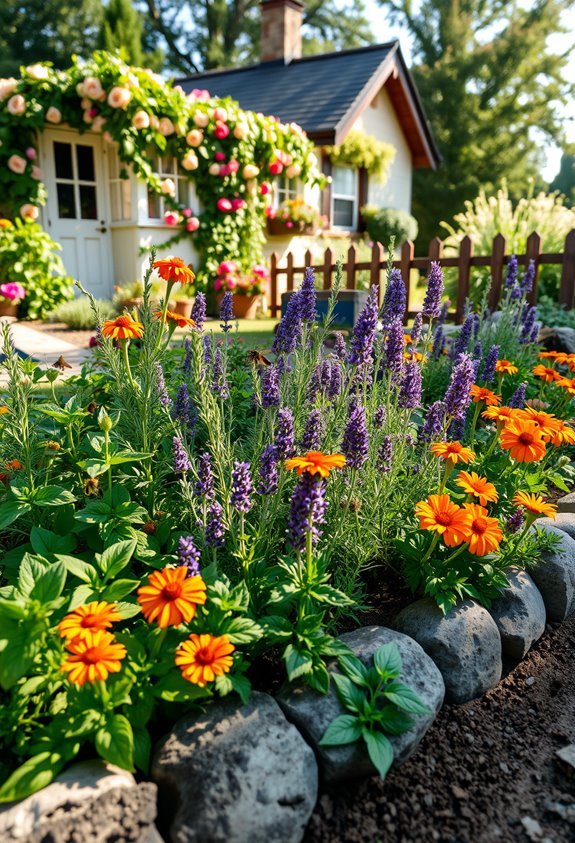
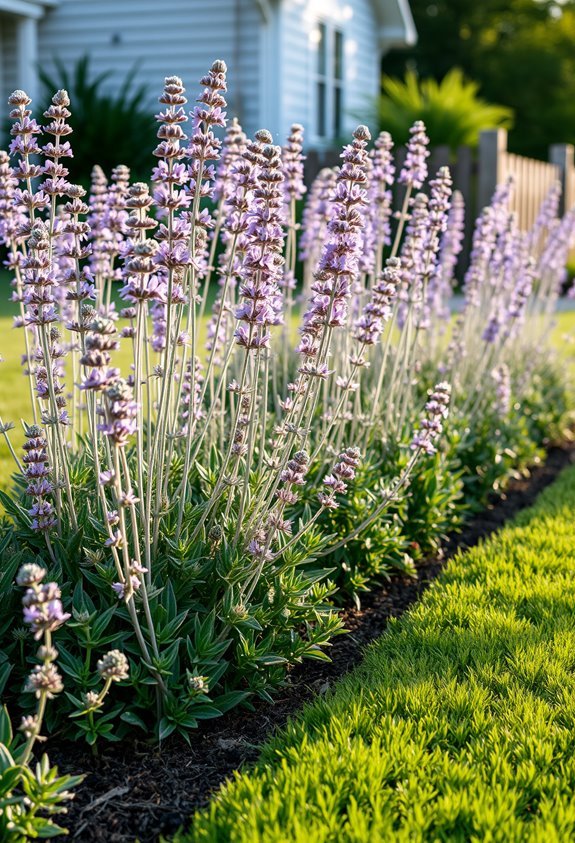
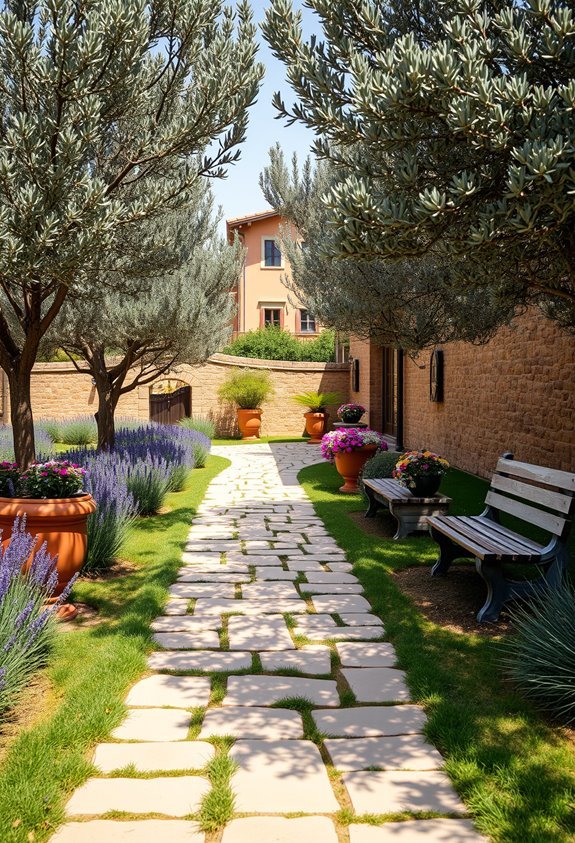
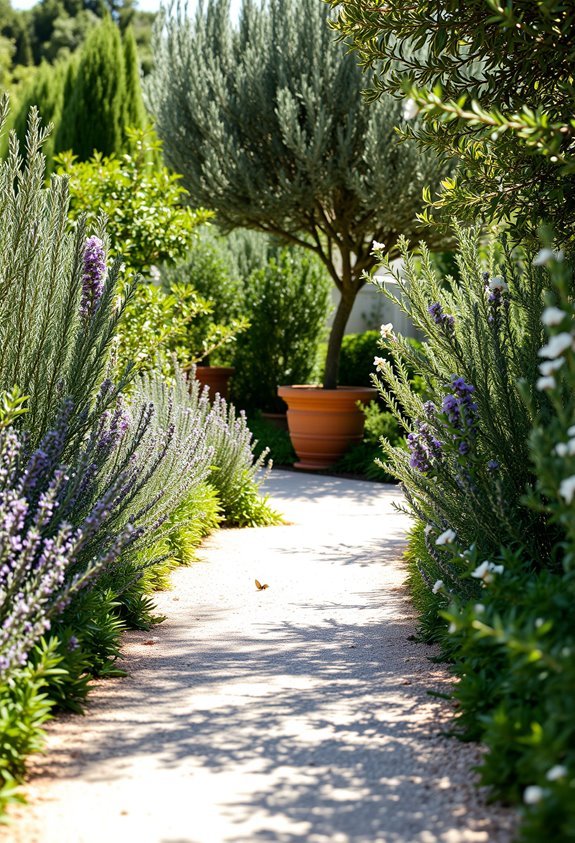
Mediterranean plants like lavender, rosemary, and thyme create stunning fence line gardens that thrive in hot, dry conditions. These drought-resistant plants require minimal water and poor soil, making maintenance effortless. Their aromatic foliage and colorful blooms attract beneficial pollinators while providing a fragrant border that withstands high temperatures. This approach delivers a resilient, beautiful landscape that captures the essence of coastal regions year-round.
Children’s Garden With Safe, Interactive Plants
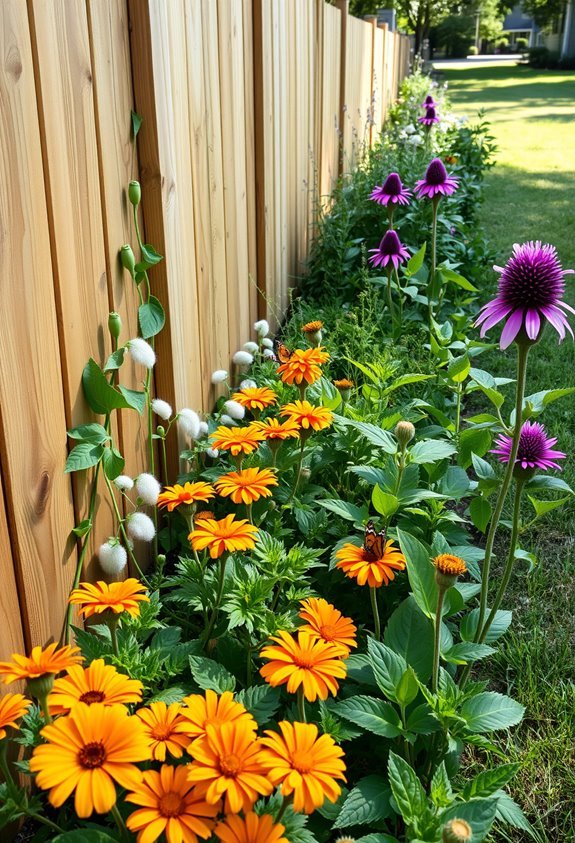
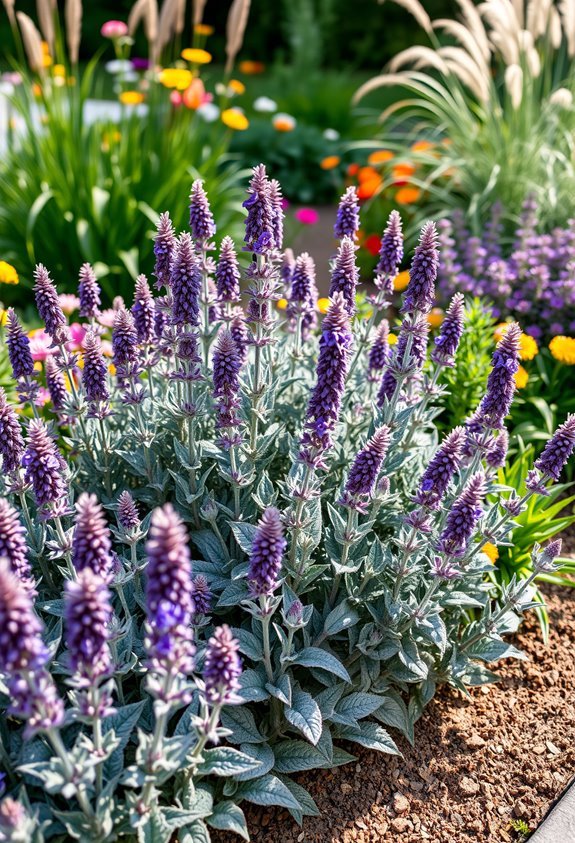
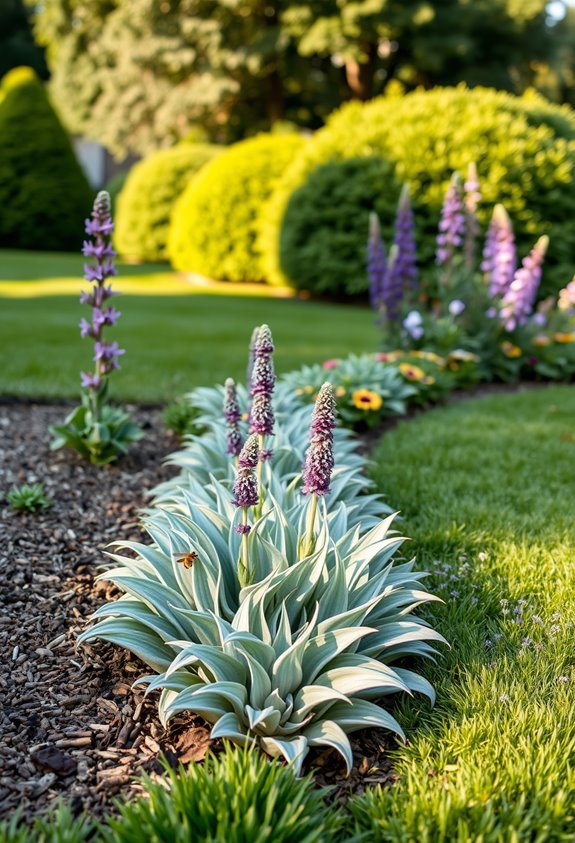
Create an engaging children’s garden along your fence with safe, hands-on plants that spark curiosity. Plant colorful marigolds for natural pest control and snap peas for fresh snacking. Add soft lamb’s ear for tactile exploration and aromatic herbs like mint and basil to introduce new flavors. Include a butterfly section with nectar-rich coneflowers to teach children about pollinators while creating a vibrant, educational outdoor space.
Conclusion
You’ll transform your fence line into a thriving garden space by choosing plants that match your climate, soil, and maintenance preferences. Start with one section, then expand gradually as you gain confidence. Remember to take into account mature plant sizes, watering needs, and seasonal changes when planning. With proper preparation and thoughtful plant selection, you’ll create a beautiful, functional border that enhances your yard’s appeal while supporting local wildlife and providing fresh herbs or vegetables year-round.