You’ll transform your outdoor space into a stunning naturalistic garden by pairing river rocks with drought-resistant succulents. These combinations create visual depth through contrasting textures while requiring minimal water and maintenance. Start by selecting rocks in various sizes, then choose hardy varieties like Echeveria and Sedum that thrive in your climate. The key lies in understanding which plants work best near water features and how to arrange them for maximum impact throughout the seasons.
Layering Plants for Visual Interest
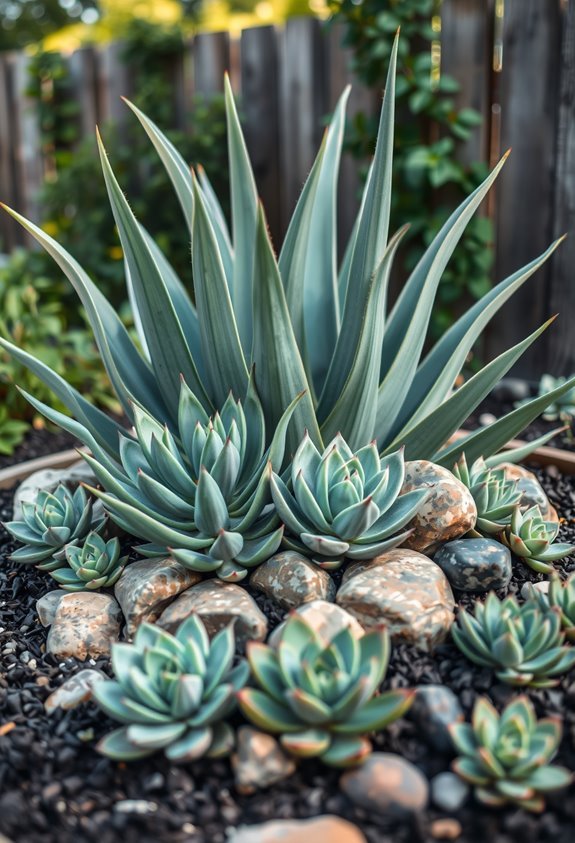
Creating visual depth in your succulent garden starts with thoughtful layering of different plant heights and textures. Place taller agaves toward the back, with medium-sized jade plants in the middle, and low-growing varieties at the front. This arrangement naturally draws the eye through the space while showcasing each plant’s unique characteristics. Intersperse river rocks throughout the layers to add contrast and create natural-looking shifts between plant groupings.
Designing Paths With River Rocks and Greenery
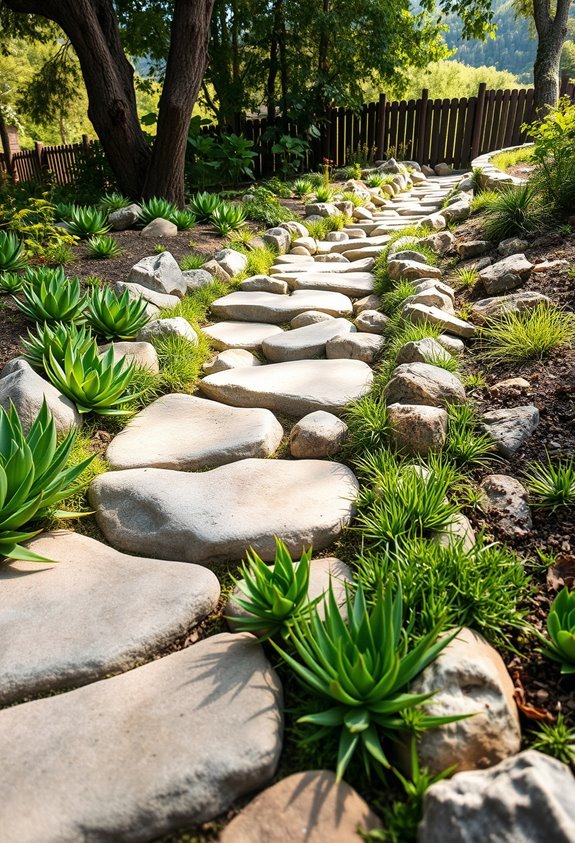
Smooth river rocks create beautiful natural pathways that blend effortlessly into your garden landscape. Line these winding paths with vibrant succulents and complementary greenery to add color and encourage exploration. The organic curves of rock pathways guide visitors naturally through your space while maintaining that rustic, naturalistic feel. Strategic placement of varied plants alongside the rocks enhances visual appeal and creates an inviting outdoor environment.
Balancing Textures With Varied Rock Sizes
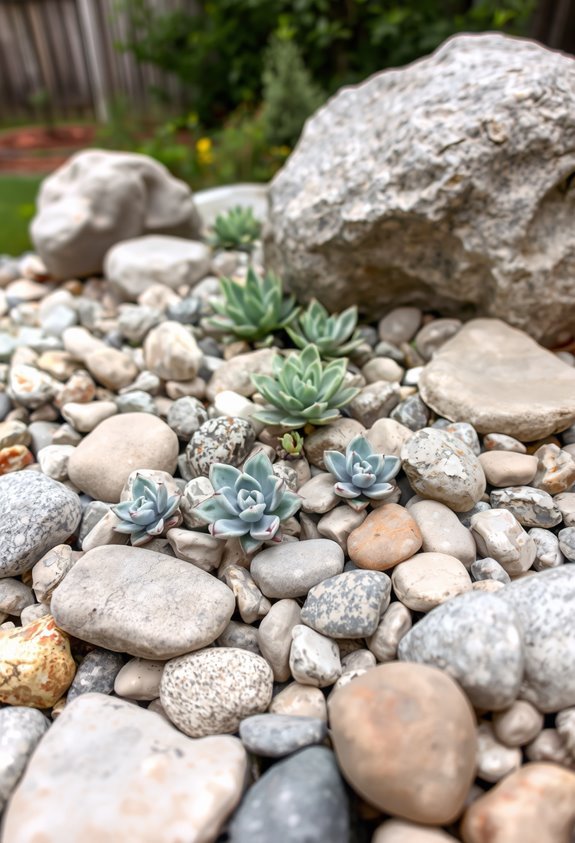
Mixing different sized river rocks creates visual depth and interest throughout your garden design. Large statement rocks paired with smaller pebbles provide natural contrast that makes succulent colors and shapes more prominent. This varied texture approach mimics nature’s diversity while guiding the eye through your landscape. The combination of smooth, rounded stones in multiple sizes adds organic flow and creates a more dynamic, engaging outdoor space.
Creating a Serene Waterside Escape
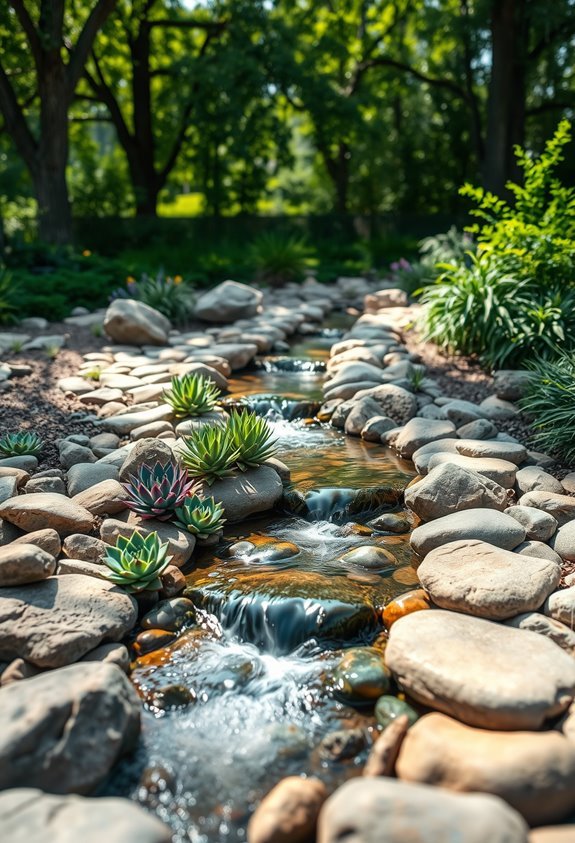
Transform your outdoor space into a peaceful retreat by incorporating flowing water features alongside your river rock and succulent arrangements. The gentle sound of moving water creates a soothing ambiance that enhances the natural beauty of your garden design. Position succulents strategically among the rocks near water sources to establish visual contrast and promote relaxation. This low-maintenance combination thrives naturally together, offering you a tranquil escape where you can unwind and reconnect with nature’s calming elements.
Choosing the Right Succulents for Damp Environments
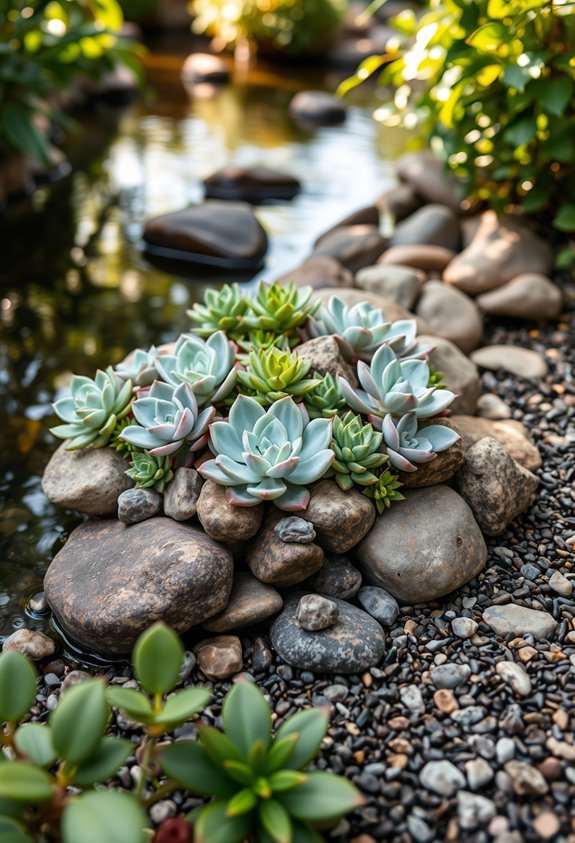
When designing near water features, select succulents that can handle moisture without developing root rot. Echeveria and Sedum are perfect choices, offering vibrant colors while tolerating damp soil conditions. These hardy varieties thrive in moisture-rich environments and pair beautifully with rustic river rocks, which provide natural drainage. Their unique shapes and colorful foliage create visual interest while maintaining the health and functionality of your waterside garden design.
Incorporating Drought-Resistant Succulents
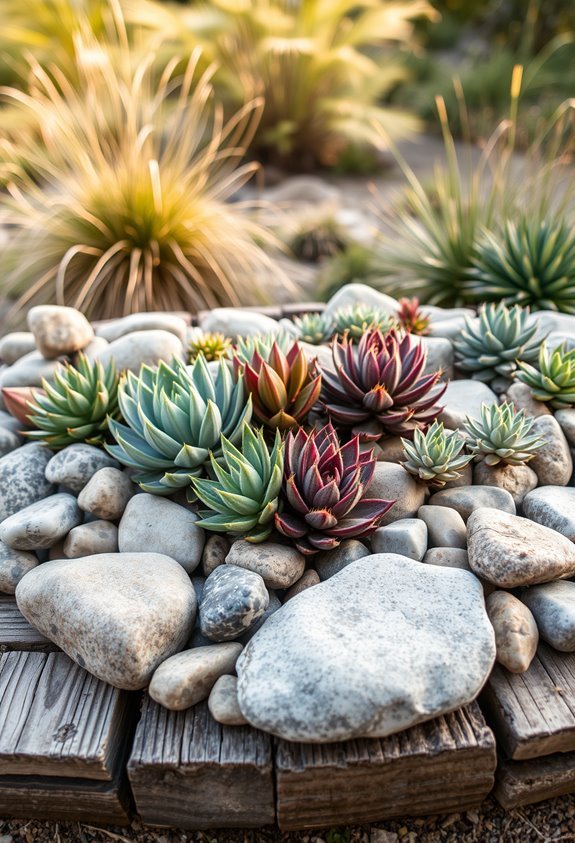
For areas with limited water access, drought-resistant succulents like agaves and sedums are ideal companions to river rocks. These water-storing plants thrive in sunny, dry conditions while the rocks provide essential drainage to prevent root rot. Mix different shapes and colors to create visual appeal while maintaining a low-maintenance garden that conserves water and supports sustainable landscaping practices.
Designing a Succulent and Stone Fountain
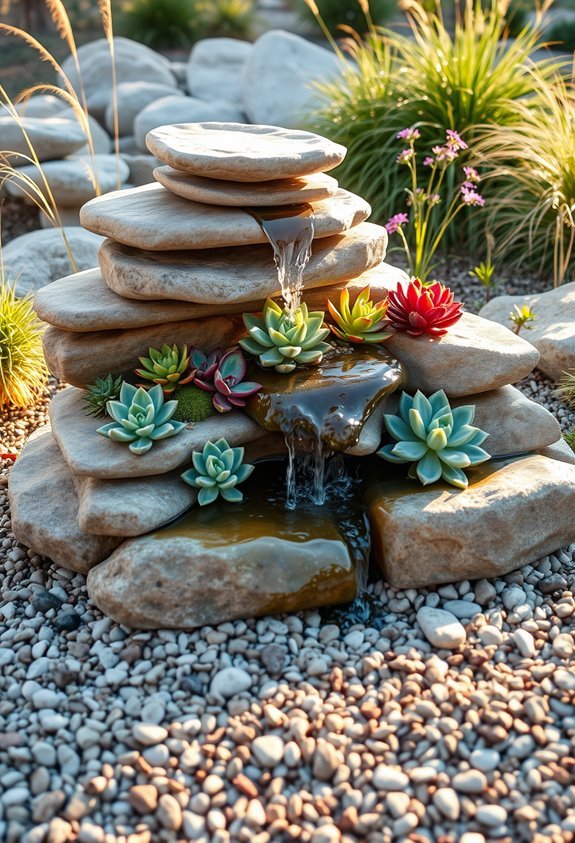
A succulent and stone fountain creates a stunning focal point by combining smooth river rocks with vibrant, drought-resistant plants. The gentle water flow enhances your garden’s serene atmosphere while strategically placed succulents add visual interest and attract beneficial insects. This low-maintenance design requires minimal care since succulents naturally thrive with less water, making it perfect for sustainable landscaping that conserves resources.
Utilizing Color Harmony in Plant Selection
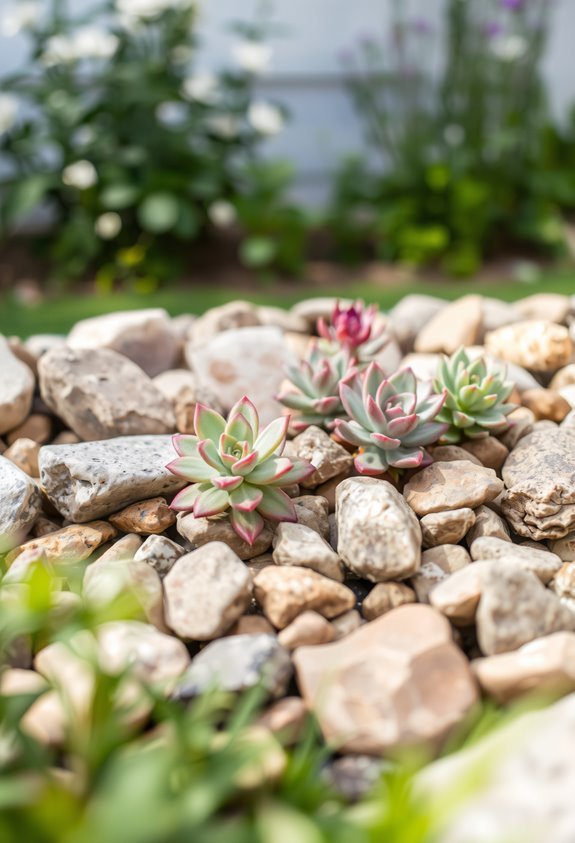
Selecting succulents in complementary shades like greens, pinks, and purples creates a visually appealing garden design that works beautifully with rustic river rocks. The earthy tones of natural stone provide the perfect backdrop for colorful succulent varieties, adding depth and visual interest to your landscape. This thoughtful color coordination creates a cohesive, naturalistic theme that draws the eye and invites peaceful exploration of your garden space.
Integrating Edible Succulents
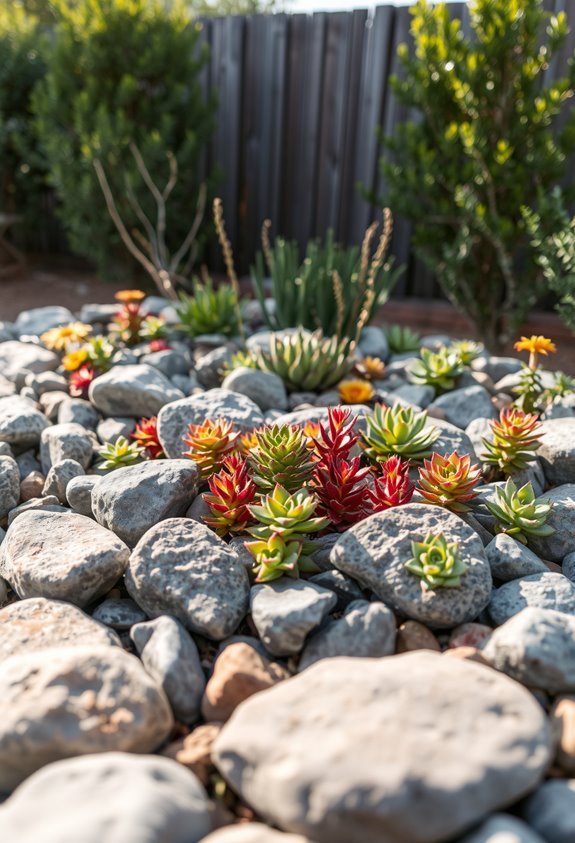
Edible succulents like sedum and portulaca bring both beauty and functionality to your river rock garden. These drought-resistant plants thrive with minimal care while providing fresh ingredients for salads and garnishes. Their colorful leaves and flowers create visual appeal against rustic stones, while their practical culinary uses make every garden visit rewarding. This combination supports local ecosystems and offers a sustainable approach to landscaping that nourishes both your garden and your table.
Creating a Seasonal Display With Succulents
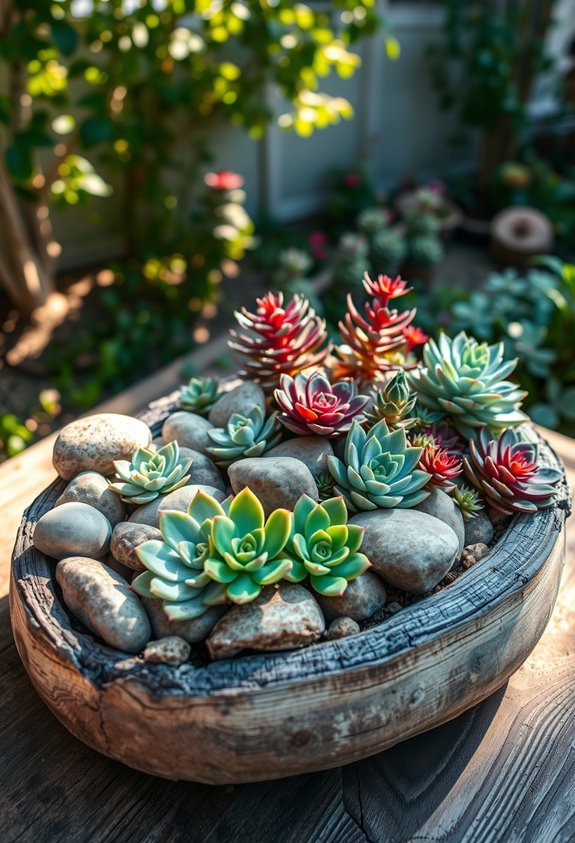
Seasonal succulent displays paired with river rocks create year-round garden interest with minimal effort. Spring brings fresh growth and colorful blooms, while summer showcases vibrant foliage against warm stone textures. Fall introduces rich burgundy and purple tones, and winter highlights architectural forms and subtle color variations. Rotating container arrangements and adding seasonal accent plants keeps your rock garden dynamic throughout the changing seasons.
Creating a Rock Garden With Succulent Highlights
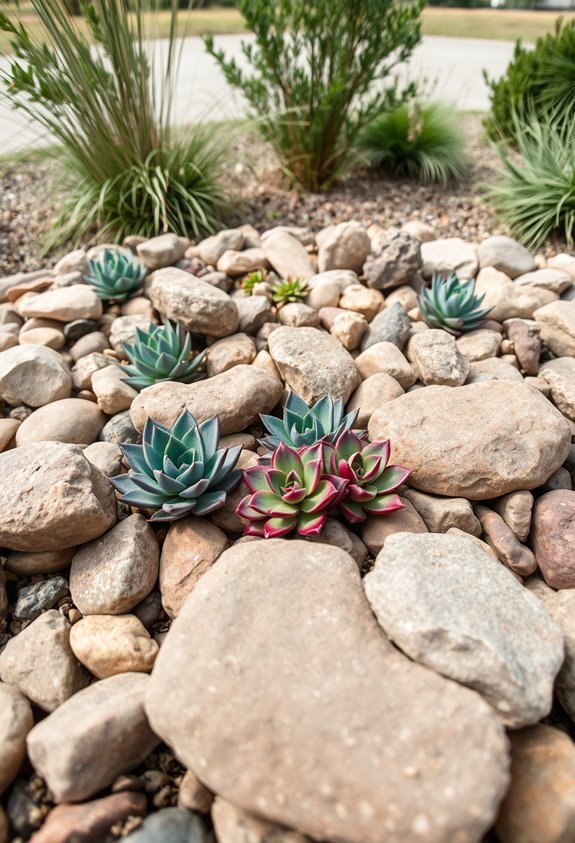
Designing a rock garden with succulent highlights combines rustic river rocks as your foundation with strategically placed succulents as focal points. Use varying sizes of river rocks to create texture and depth, then nestle agaves, jade plants, and other drought-tolerant varieties among the stones. This pairing thrives in rocky environments while providing natural beauty and visual interest with minimal maintenance requirements.
Highlighting Native Succulent Species
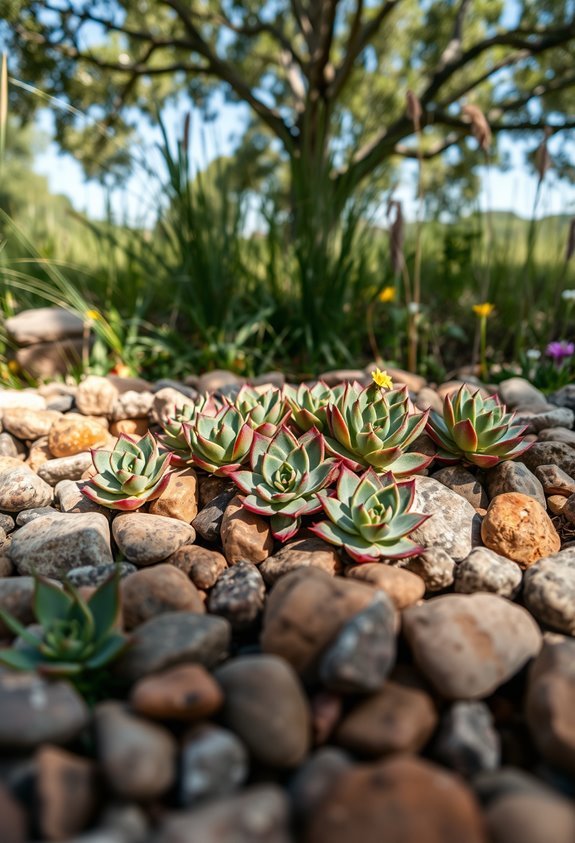
Native succulent species offer the perfect match for rustic river rock gardens, bringing authentic regional character to your landscape. Local varieties like native Sedum and Echeveria naturally thrive in rocky conditions while requiring minimal water and care. These plants support local pollinators and beneficial insects, creating a sustainable ecosystem. Choose species adapted to your climate for a low-maintenance garden that celebrates your area’s natural beauty.
Using Succulents as Ground Cover
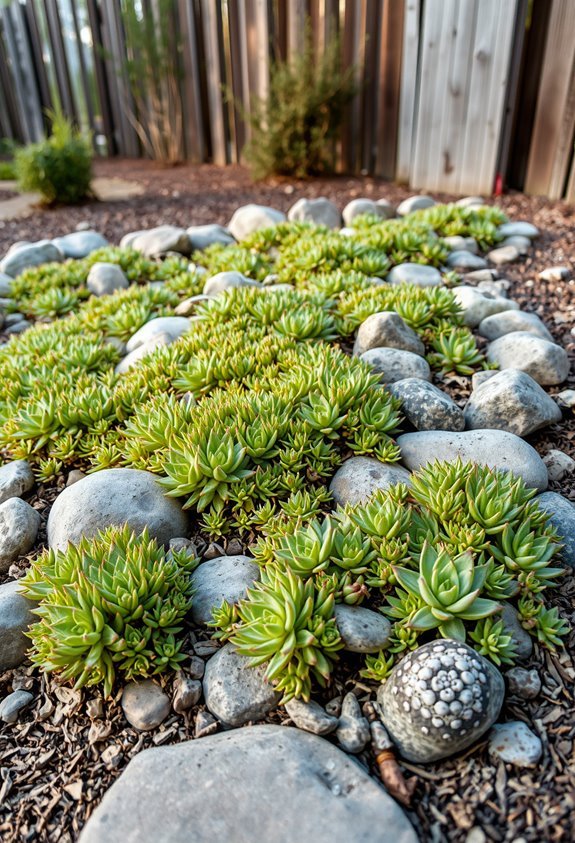
Succulents make excellent ground cover when paired with river rocks, creating beautiful living carpets that require minimal care. Species like creeping sedum and stonecrop naturally spread to fill spaces between rocks, suppressing weeds while adding gorgeous texture and color variety. This combination retains soil moisture effectively, reducing watering needs while providing year-round visual interest with their diverse shapes and hues.
Incorporating Boulders for Dramatic Effect
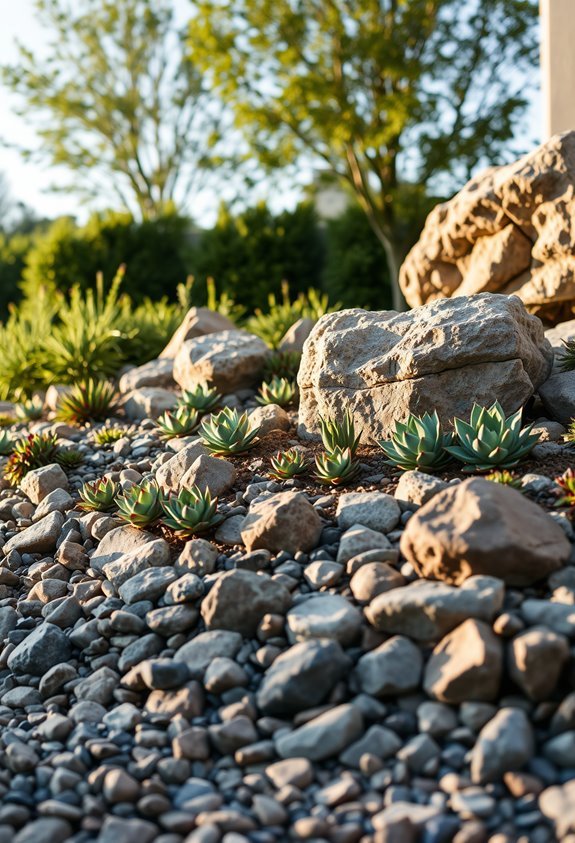
Boulders add striking focal points to river rock gardens, creating natural drama and visual weight. When positioned among succulents, these larger stones enhance the rustic aesthetic while providing varied elevations that add depth to your landscape design. The combination works beautifully for low-maintenance gardens, as both boulders and succulents thrive in drought-resistant environments. Strategically placed boulders also create cozy garden nooks that invite closer exploration of your plantings.
Designing Vertical Gardens With Succulents
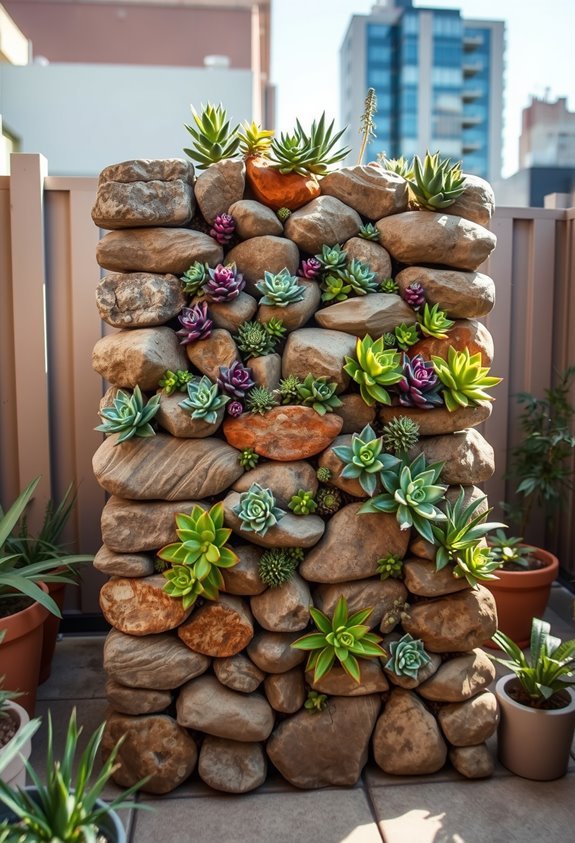
Vertical gardens transform small spaces into stunning succulent displays using stacked river rocks as natural foundations. Layer different succulent varieties to create vibrant color combinations and interesting textures that thrive with minimal care. This space-saving approach works perfectly for urban settings, allowing you to showcase diverse plant species while maintaining the rustic aesthetic. The vertical design draws the eye upward and maximizes your growing area.
Building Raised Stone Planters With Succulent Arrangements
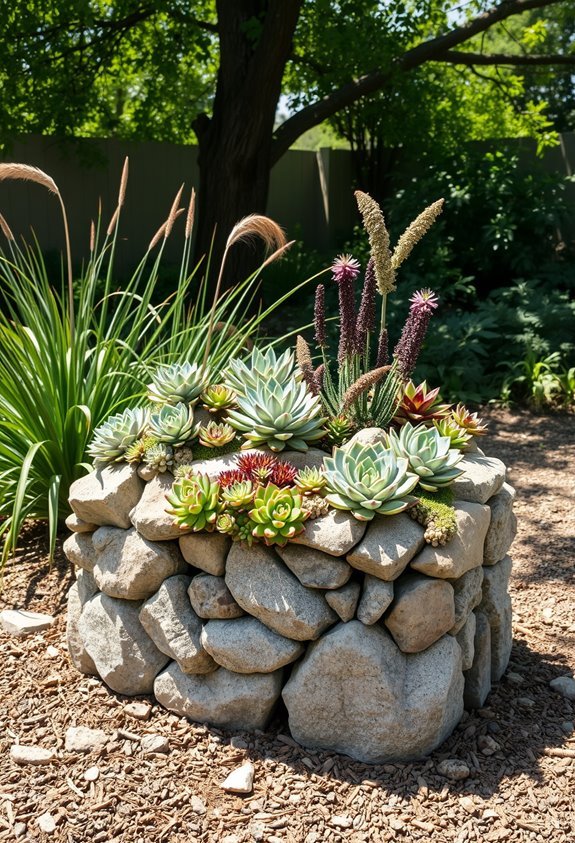
Raised stone planters using rustic river rocks create beautiful elevated displays for succulent arrangements. The natural texture of varying rock sizes adds visual appeal while improving drainage to prevent root rot. These elevated structures guarantee succulents receive proper sunlight and airflow for healthy growth. The combination of weathered stone and diverse succulent varieties creates an attractive focal point that blends natural beauty with practical gardening benefits.
Crafting Mediterranean-Style Stone Terraces
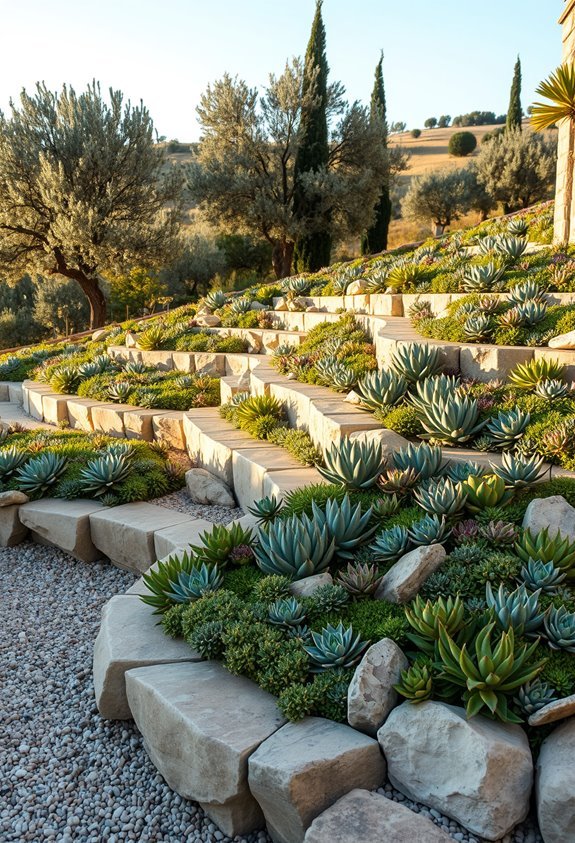
Mediterranean-style stone terraces bring Old World charm to modern gardens through multi-level designs using limestone and river rocks. These stepped structures provide excellent drainage and sun exposure for drought-resistant succulents like agave and sedum. The terraced layout creates visual depth while allowing different plant heights and textures to shine. This timeless approach combines practical growing conditions with the rustic beauty of natural stone, resulting in low-maintenance landscapes that capture Mediterranean elegance.
Combining River Rocks With Architectural Agaves
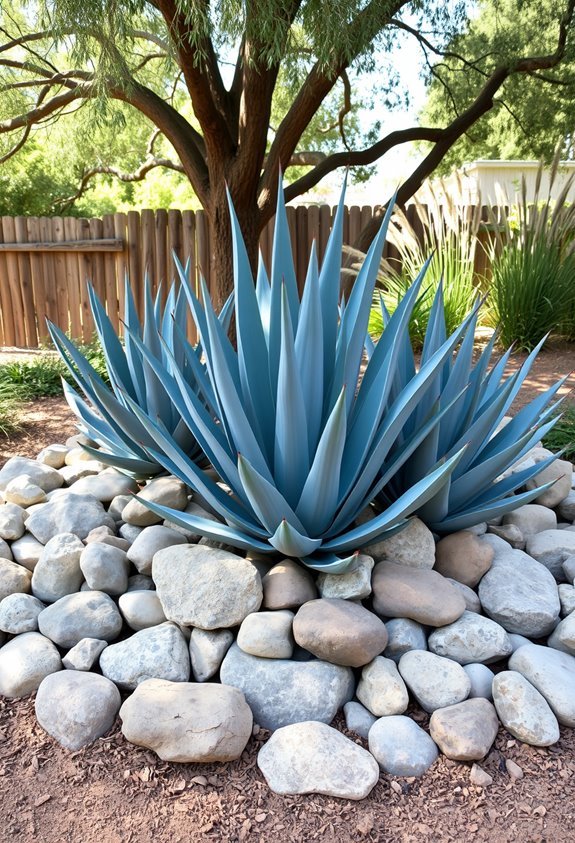
River rocks and architectural agaves create stunning focal points through their contrasting textures and forms. The smooth, rounded stones beautifully frame the sharp, sculptural leaves of agaves while providing excellent drainage for these drought-tolerant plants. Using various rock sizes adds visual layers and depth to the design. This pairing requires minimal watering and maintenance, making it perfect for water-wise gardens that need year-round structure and dramatic impact.
Designing Zen-Inspired Gravel Gardens
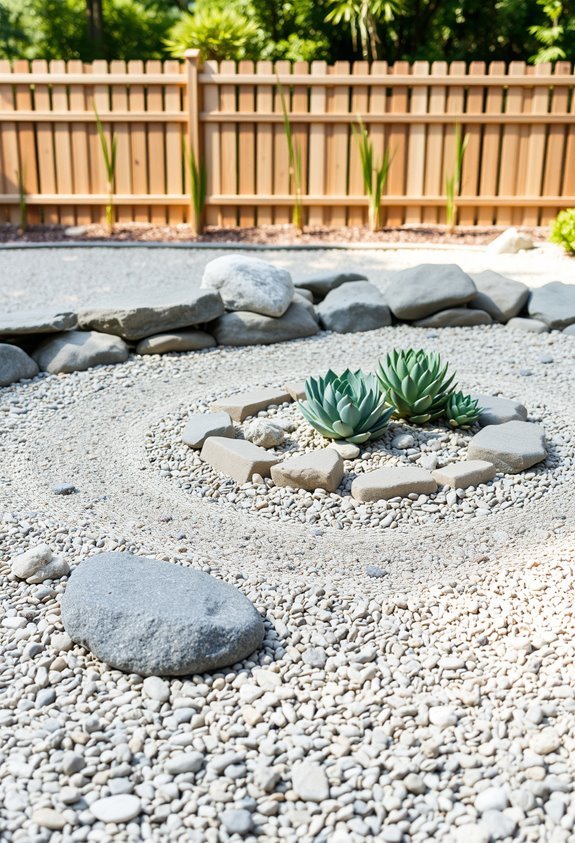
Zen-inspired gravel gardens emphasize simplicity and tranquility through thoughtful design elements. Layer different sizes of gravel and river rocks to create visual depth while ensuring proper drainage. Incorporate drought-resistant succulents strategically throughout the space, allowing their varied textures and colors to complement the clean lines. Consider adding raked gravel patterns around planted areas to enhance the meditative quality and encourage mindful contemplation in your landscape.
Creating Mosaic Patterns With Colored Stones and Plants
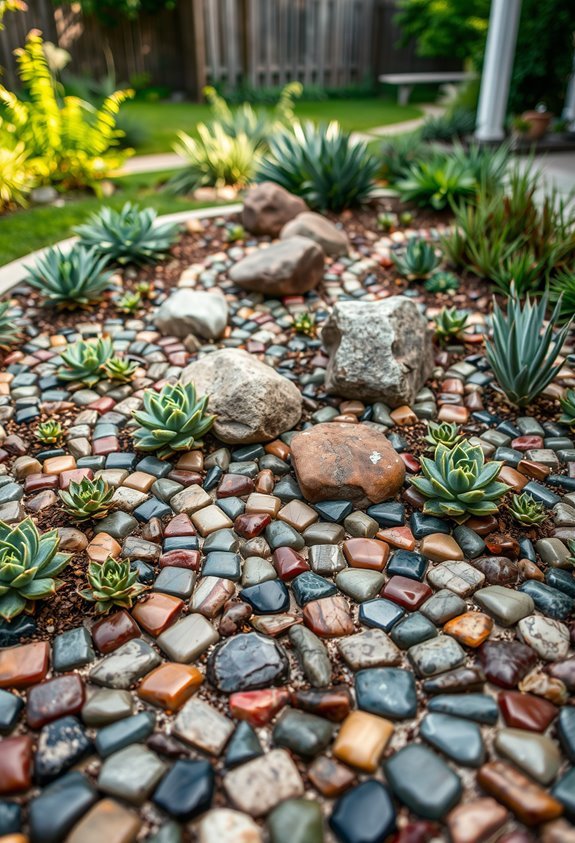
Transform your garden into a living artwork by arranging colored river stones in intricate mosaic patterns. Combine vibrant reds, greens, and blues to create stunning backdrops for contrasting succulent shapes and textures. Use larger stones as focal points to anchor your design while filling spaces with drought-resistant plants. This creative approach allows for personalized expression while maintaining low-maintenance gardening practices that celebrate both color and form.
Building Cascading Stone Walls With Trailing Succulents
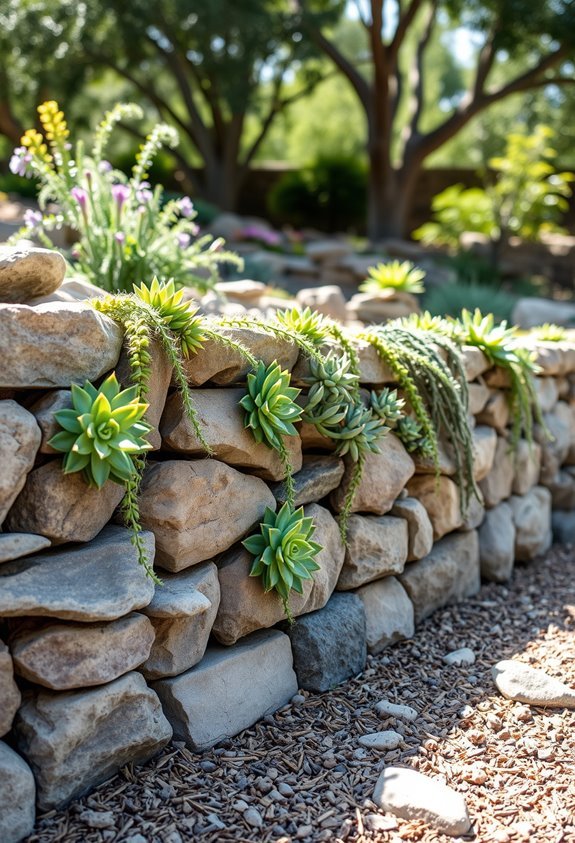
Construct naturalistic cascading stone walls using varied river rock sizes to create textured backdrops for trailing succulents. Plants like Sedum morganianum and Graptopetalum paraguayense thrive in these vertical arrangements, spilling gracefully over wall edges. The stone structure improves drainage while providing perfect crevices for succulent placement. This combination transforms functional walls into living art pieces that add visual depth and vibrant color to drought-resistant garden designs.
Establishing Wildlife Habitats With Natural Stone Features
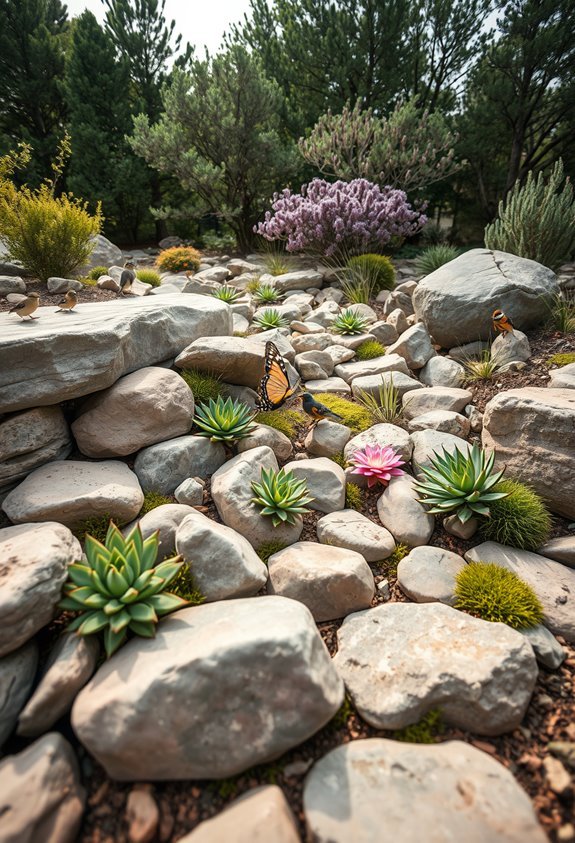
Natural stone features like river rocks and boulders create essential shelter and nesting sites for birds, small mammals, and beneficial insects. Rock piles and crevices form microhabitats that attract pollinators while supporting local biodiversity. Native succulents planted alongside these stone elements provide additional food sources and habitat. Stone features also help manage water runoff, creating moist areas that support diverse plant life and attract amphibians, contributing to local wildlife conservation.
Designing Corner Accent Gardens With Statement Rocks
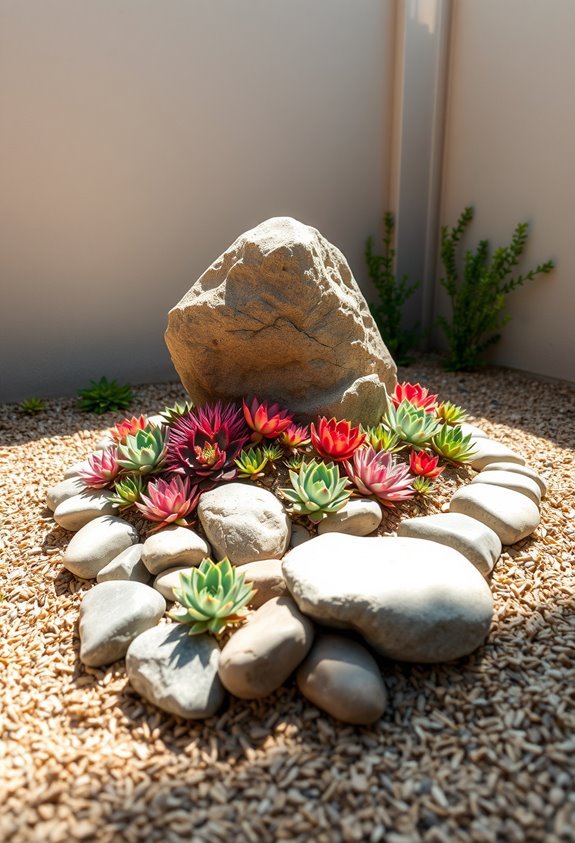
Corner accent gardens benefit from carefully placed statement rocks that serve as natural focal points. Large, uniquely shaped stones create dramatic contrast against colorful succulents while smaller river rocks guide visual flow throughout the space. This layered approach adds depth and dimension to corner areas. Drought-resistant succulents paired with strategic rock placement guarantee low-maintenance gardens that thrive in sunny conditions while maintaining year-round appeal.
Creating Permeable Hardscaping With Succulent Borders
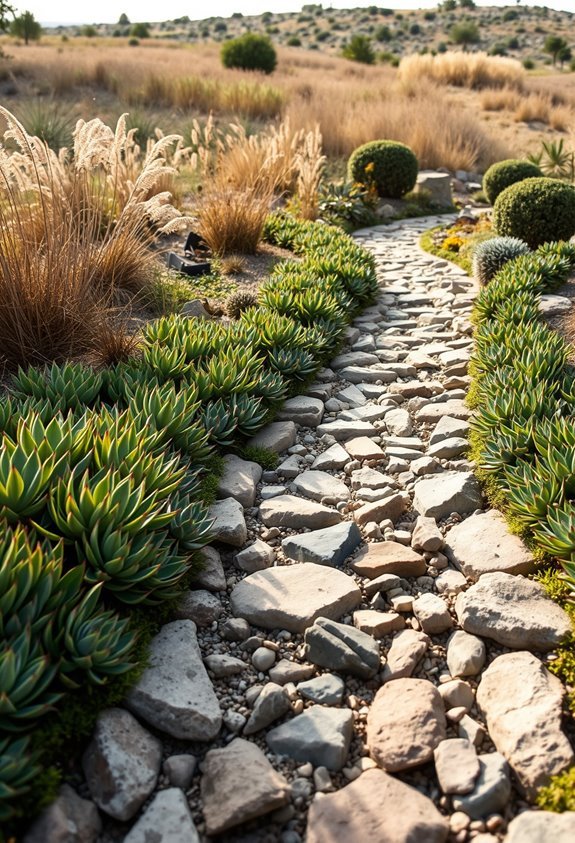
Permeable hardscaping with succulent borders combines function and beauty while supporting sustainable garden practices. River rocks create natural drainage pathways that reduce runoff and prevent soil erosion. Drought-resistant varieties like Echeveria and Sedum form attractive borders that require minimal water and maintenance. This eco-friendly approach allows rainwater to penetrate naturally while the varied textures and colors of succulents soften hardscape edges and provide habitat for beneficial insects.
Building Multi-Level Stone Gardens
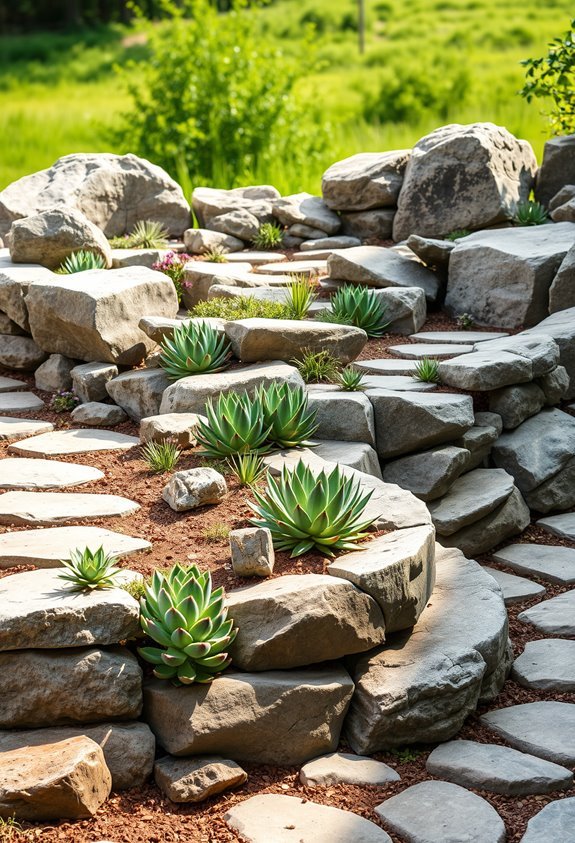
Multi-level stone gardens create stunning visual depth by arranging river rocks at varying heights throughout the landscape. Layer different sized stones with larger boulders as dramatic focal points, then plant succulents at multiple elevations to showcase their diverse colors and textures. This tiered approach improves drainage and airflow while smooth river rock pathways invite visitors to explore each carefully crafted level of your dimensional garden design.
Incorporating Weathered Driftwood With Stone Elements
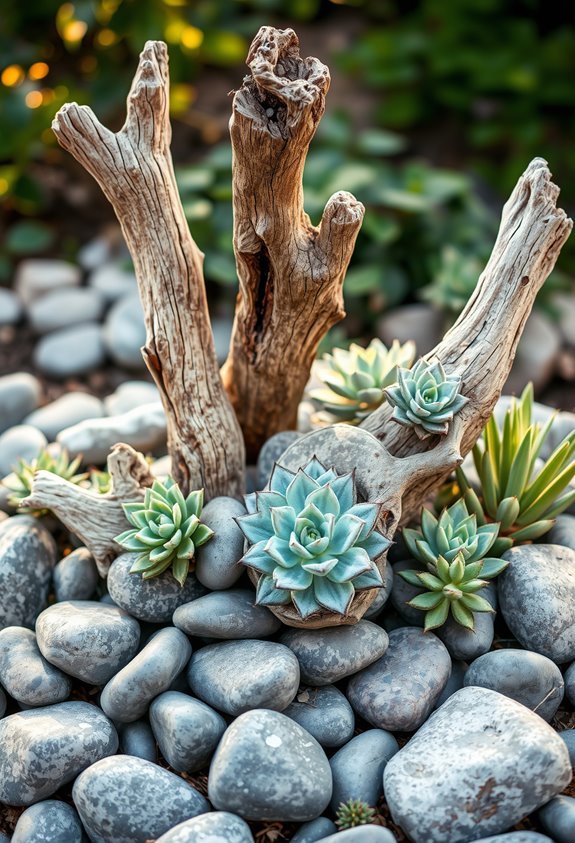
Weathered driftwood brings organic warmth to river rock and succulent gardens, creating beautiful textural contrasts against smooth stone surfaces. Position driftwood pieces strategically among rocks to establish natural focal points and add vertical dimension to your design. These sculptural wood elements can support climbing succulents while maintaining the cohesive natural aesthetic that makes rustic gardens so appealing.
Designing Sculptural Stone Groupings
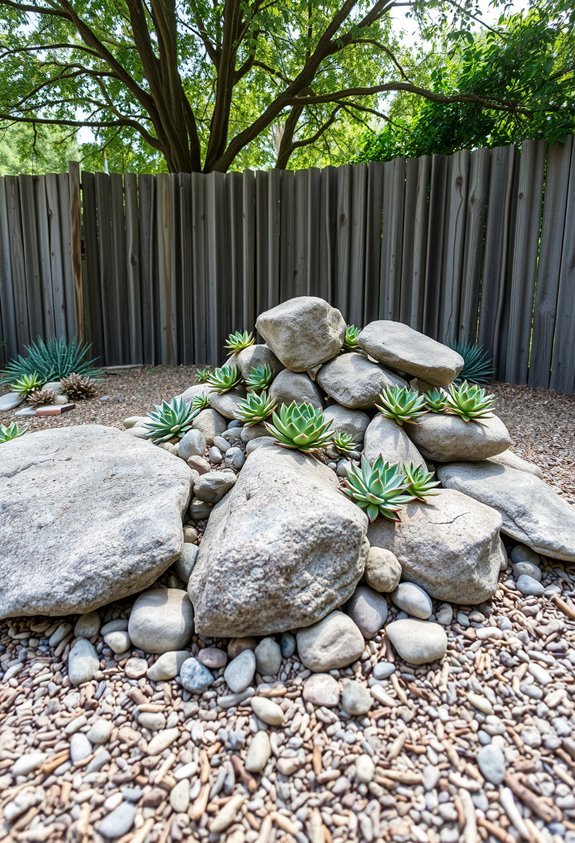
Create visual impact by arranging river rocks in varying sizes to form dynamic sculptural groupings. Position larger boulders as anchors, then layer smaller stones around them for depth and texture. Nestle succulents between the rocks to soften harsh edges and add living color. These artistic stone arrangements guide the eye through your garden while providing low-maintenance focal points that complement the rustic aesthetic beautifully.
Creating Seasonal Color Transitions With Hardy Varieties
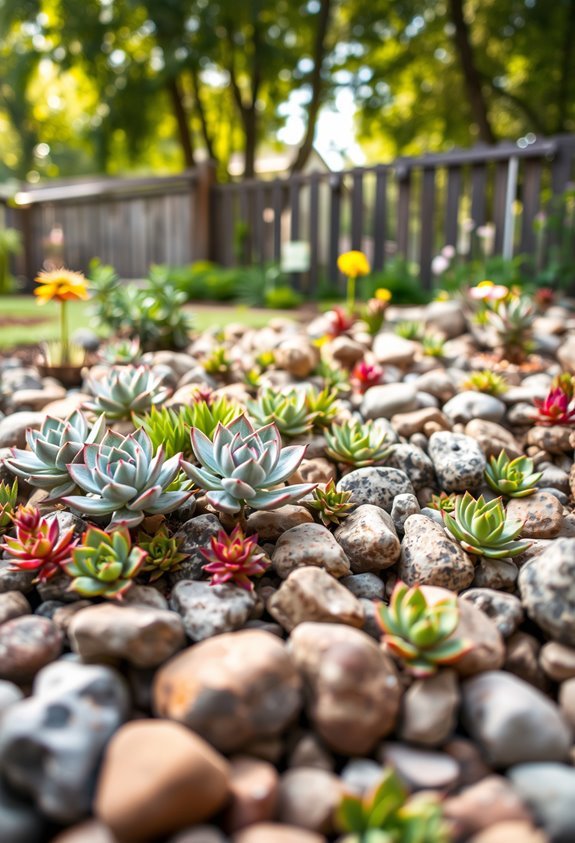
Hardy succulent varieties like Echeveria and Sedum create stunning seasonal color shifts in rustic rock gardens. These resilient plants display different hues throughout the year, with Echeveria showcasing blue, pink, and purple tones as temperatures change. Mix various shapes and sizes to guarantee continuous visual interest, as different varieties bloom at different times. River rocks help regulate soil temperature and moisture, supporting healthy seasonal color changes while maintaining the natural aesthetic.
Building Low-Maintenance Desert Landscapes
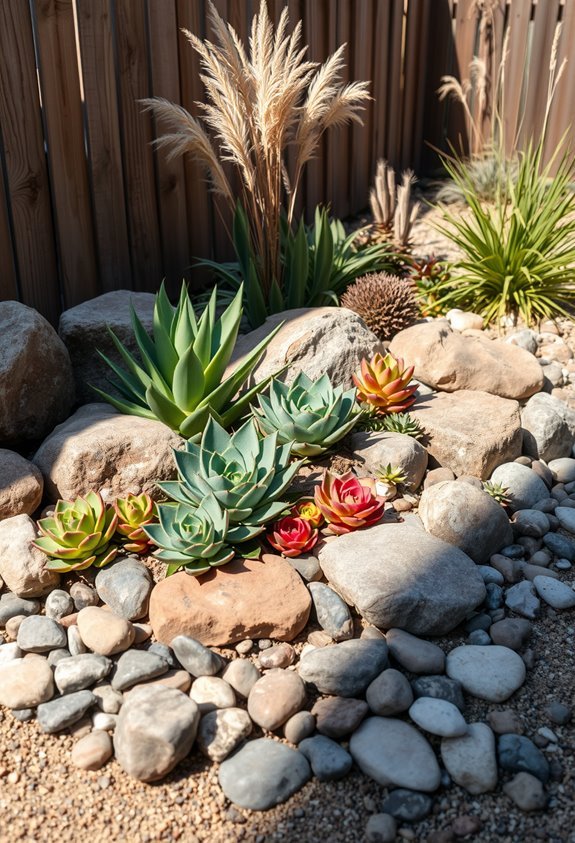
Desert landscapes become effortlessly beautiful when combining drought-resistant succulents like agaves and jade plants with strategically placed river rocks. These hardy plants thrive in sunny, arid conditions while requiring minimal watering. River rocks enhance drainage and regulate soil temperature, supporting healthy succulent growth. Mix larger rocks with smaller pebbles to create visual depth and highlight the unique shapes and textures of your chosen plants.
Designing Moonlight Gardens With Silvery Succulents
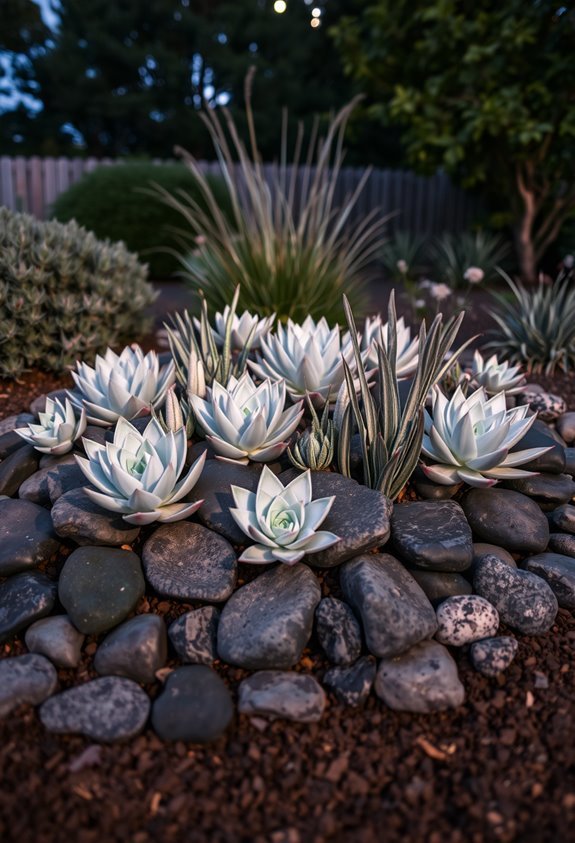
Silvery succulents like Echeveria ‘Lola’ and Senecio ‘Blue Chalksticks’ create enchanting moonlight gardens by reflecting soft nighttime light. Pair these luminous plants with dark river rocks to enhance their glow and create striking visual contrast. Their low-water needs make maintenance simple while their cool, soothing tones establish a serene atmosphere perfect for evening relaxation under the stars.
Creating Erosion Control Solutions With Living Stone Walls
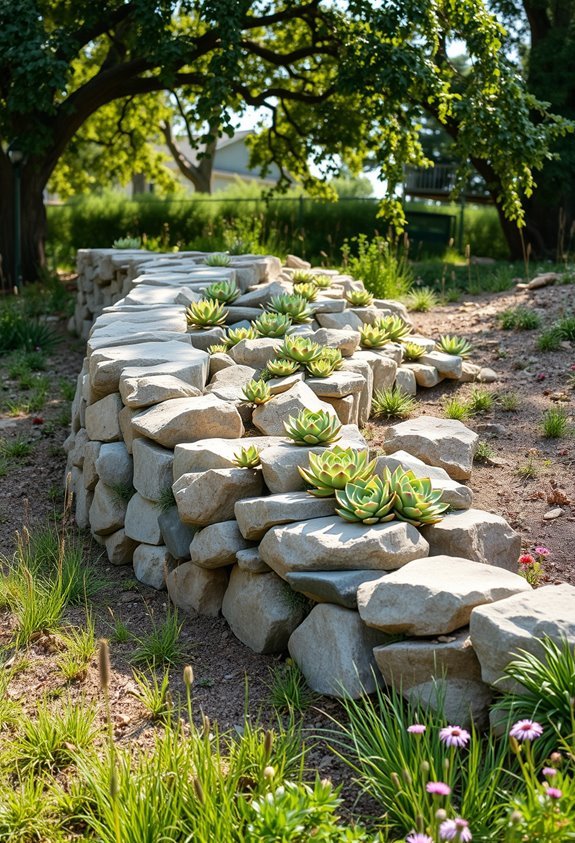
Living stone walls combine river rocks with drought-resistant succulents to create effective erosion control while maintaining natural beauty. The succulent root systems work alongside the rock weight to anchor soil and prevent runoff on slopes. These sustainable solutions require minimal water, blend seamlessly with landscapes, and create small ecosystems that support local wildlife while protecting vulnerable areas from erosion.
Conclusion
You’ve learned how to combine river rocks and succulents to create beautiful, low-maintenance gardens. These pairings offer year-round beauty while supporting local wildlife and preventing soil erosion. Start with drought-resistant varieties like Echeveria and Sedum, then arrange different-sized rocks around them for texture. Remember to choose plants suited for your specific conditions, whether they’re damp or dry areas. You’ll enjoy a stunning, sustainable landscape that requires minimal care throughout the seasons.